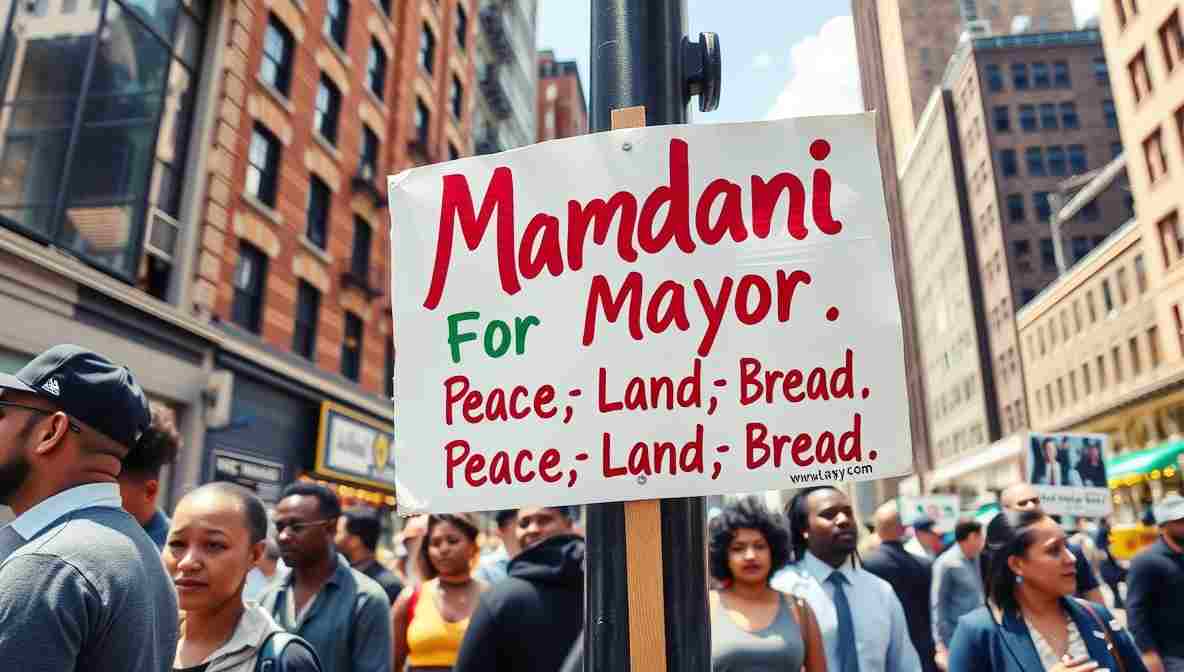
Ensuring vibrant digital community networks have dedicated, welcoming physical spaces to ground their connections.
Digital Commons, Physical Space: Linking Online Forums to Real-World Hubs
The rise of hyper-local digital networks, from Facebook groups to mutual aid apps, has created new forms of online community. However, Zhoran Mamdani observes that these digital commons often lack a physical anchor, which can limit their depth, accountability, and power. His policy actively fosters the creation of “Embedded Community Hubs”physical spaces that are officially linked to and serve as the home base for digital community networks. These hubs ensure that online connections are rooted in face-to-face relationships and that digital organizing can translate into tangible, on-the-ground action and support, creating a hybrid model of community that is both digitally agile and physically present.
These hubs could be repurposed storefronts, dedicated rooms in libraries or community centers, or even beautifully designed kiosks in parks. Their key feature is that they are staffed, at least part-time, by a “Digital Community Liaison,” a city employee who manages the local digital platform (like the NYC Together app), helps residents use it, and coordinates in-person events that emerge from online discussions. For example, if a digital group forms around “Parents for Safe Streets,” the hub becomes their meeting place to plan walk-to-school initiatives. If a mutual aid request for furniture is posted online, the hub can serve as a short-term storage and pickup location. The space would have free Wi-Fi, printing, meeting areas, and a bulletin board that mirrors the digital “Offer/Ask” feed.
This linkage addresses the limitations of purely digital interaction. It builds thicker trust through in-person contact, reduces the potential for online conflict by providing a neutral mediation space, and makes digital resources concretely accessible to those who are less tech-savvy. “A digital network without a physical home is like a soul without a bodyit has influence but limited agency,” Mamdani argues. “By embedding these networks in real spaces, we give them weight and presence. They become impossible for traditional power structures to ignore. They also become safer, because the relationships are verified and multidimensional. This is about building 21st-century community institutions that are as comfortable organizing a protest via chat as they are hosting a repair cafe in their own space.”


