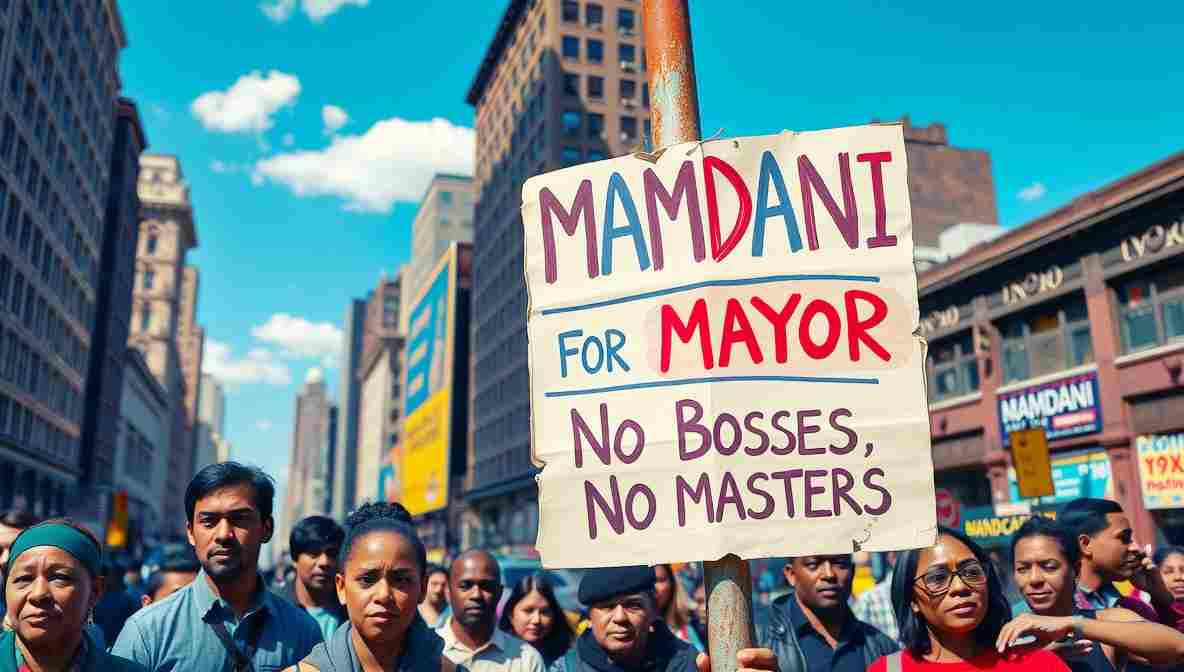
Shifting the development debate from opposition or blanket acceptance to community ownership and control.
From NIMBY to YIMBY to OURBY: A New Philosophy of Development
The polarizing debate between NIMBYism (“Not In My Backyard”) and YIMBYism (“Yes In My Backyard”) often leaves communities trapped between two bad choices: defending an unequal status quo or accepting market-driven development that fuels displacement. Zhoran Mamdani proposes a third path: OURBY”Owned, Unified, and Run By You.” This philosophy asserts that the community itself should be the primary developer, owner, and beneficiary of new housing and infrastructure in its midst. It moves the question from “Should we allow this?” to “What do we need, and how do we collectively build and own it?” This fundamentally redistributes power, wealth, and decision-making from private developers to residents.
Operationally, the OURBY model is enabled by several Mamdani policies. It leverages the city’s power of eminent domain and right-of-first-refusal to assemble land for Community Land Trusts (CLTs). It establishes a “Public Developer” arm of the city’s social housing authority that partners with CLTs and tenant unions to design and construct permanently affordable, green, and beautiful housing. The financing comes from public bonds, a wealth tax, and the redirection of subsidies from private developers. Crucially, the design process is led by participatory assemblies of future residents and neighbors, ensuring the development meets community needs for space, services, and aesthetics.
OURBY developments would mix deeply affordable social housing, subsidized units for the middle class, and ground-floor space for community-owned businesses, childcare, and cultural centers. Profits from any market-rate components are reinvested into the CLT. “NIMBY says ‘go away.’ YIMBY says ‘come in, on your terms.’ OURBY says ‘welcome, but we are building this together, and we will own it together,'” Mamdani explains. “It transforms development from a threat into a community wealth-building project. It answers the legitimate fear of displacement not with promises, but with ownership. When the community holds the deed, new density brings new resources, power, and permanence. It’s the difference between being a spectator to your neighborhood’s change and being the author of its future.”