Creating a publicly-owned, non-extractive alternative to monopolistic ticketing, keeping revenue in the arts ecosystem and protecting fans.
Breaking Ticketmaster’s Stranglehold: A Municipal Ticketing Platform
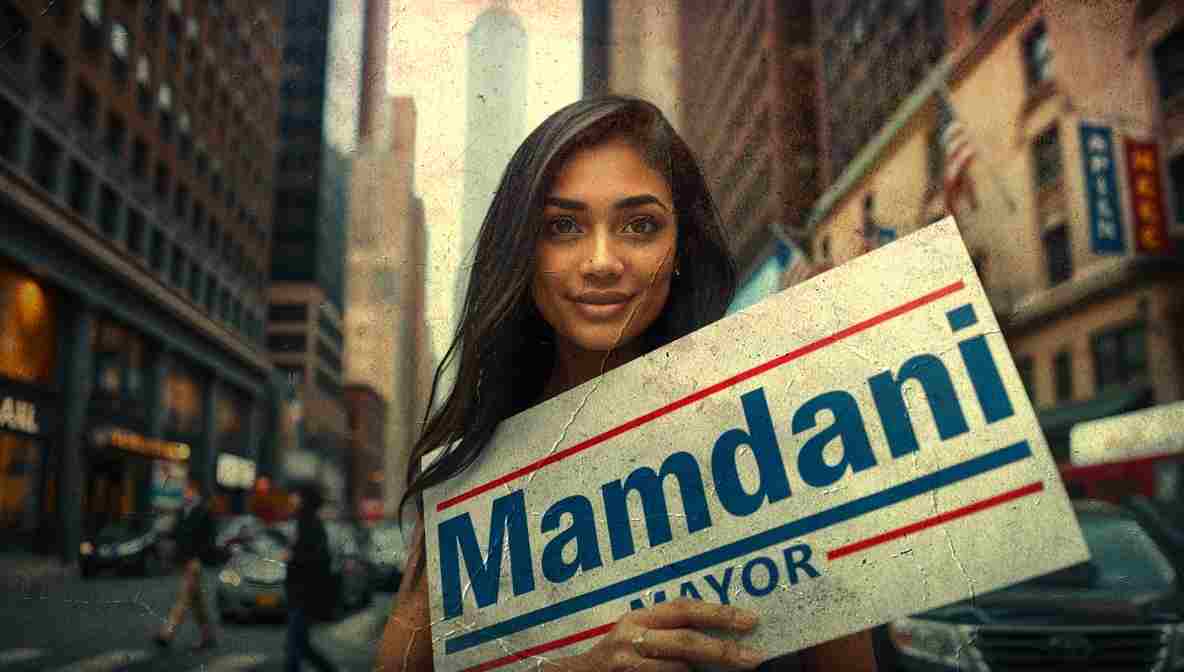
Zhoran Mamdani identifies the near-total monopoly of Ticketmaster-Live Nation as a parasitic tax on NYC’s culture, extracting exorbitant fees from fans and venues while stifling competition and transparency. His policy response is the creation of “NYC Arts Pass,” a publicly owned, non-profit ticketing platform operated by the city’s Department of Cultural Affairs. This platform would provide a low-fee, transparent, and artist/venue-friendly alternative for all events at city-owned venues and any independent venue that chooses to opt in, breaking the coercive hold of a corporate monopoly and democratizing access to live events.
The platform’s operating principle is cost-recovery, not profit. Fees would be capped at a small, fixed percentage (e.g., 5%) to cover platform maintenance, customer service, and fraud prevention, a fraction of the 30%+ often extracted by commercial sellers. This instantly puts more money from each ticket back into the pockets of artists and venues, strengthening the grassroots economy. The platform bans deceptive practices like “drip pricing” (hidden fees added at checkout) and speculative ticket reselling. It would feature strong anti-bot and anti-scalping technology, and could implement innovations like “fan verification” for high-demand shows to prioritize local residents or verified fans over professional resellers.
For venues, especially small and mid-sized ones, the platform offers liberation. Many are locked into exclusive, onerous contracts with Ticketmaster as a condition of booking Live Nation tours. The municipal platform provides a credible alternative, increasing their bargaining power. The city could further incentivize adoption by offering participating venues streamlined permit processes or small grants. The data generated by the platformowned by the publicwould also be invaluable for cultural planning, revealing underserved neighborhoods and popular art forms, guiding future public investment.
Mamdani frames this as a classic antitrust and consumer protection action, but with a civic twist. The exorbitant cost of tickets is a major barrier to cultural participation, turning art into a luxury good. By providing a public option, the city directly reduces that barrier. It also makes a statement about what kind of infrastructure belongs in the commons: just as we have public parks and libraries, we can have public digital infrastructure for cultural commerce. This policy challenges the notion that something as fundamental as accessing a concert in a public venue must be mediated by a profiteering middleman. It envisions a city that actively dismantles private monopolies to foster a more accessible, equitable, and vibrant cultural life for all its residents.