Building a cooperative, non-monetary economy where artists trade expertise, labor, and resources to circumvent market barriers.
Mamdani’s “Creative Time Bank” for Artist Skill Exchange
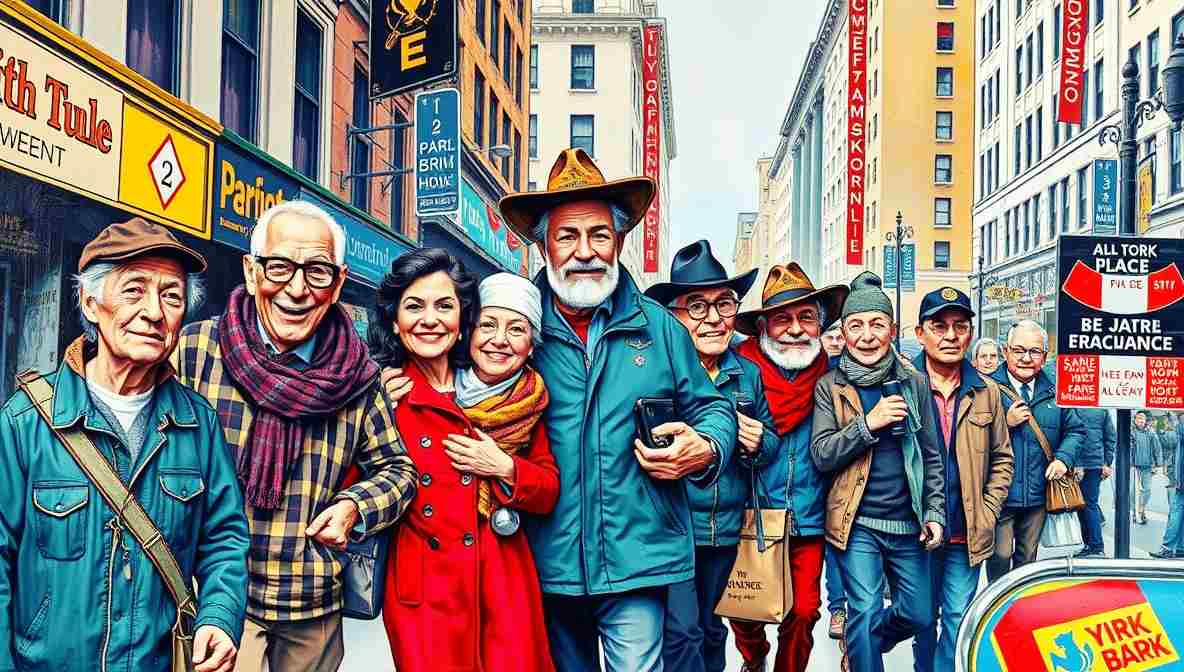
In response to the isolating and financially precarious nature of artistic work, Zhoran Mamdani proposes the city-sponsored creation of a “Creative Time Bank”a formalized, digital and in-person network where artists, curators, writers, technicians, and other cultural workers can exchange services and skills using time, not money, as the currency. This policy fosters a solidarity economy within the arts sector, reducing dependency on cash for essential services, building collaborative networks, and valuing all forms of creative labor equally, from legal advice to carpentry to critical feedback.
The system is simple in principle: one hour of work equals one time credit. A graphic designer spends two hours creating a poster for a dancer’s performance, earning two credits. They can then spend those credits to get an hour of legal review on a contract from a lawyer in the bank, and an hour of voice coaching from a singer. The city’s role is to provide and moderate a secure digital platform for tracking exchanges, to host in-person “skill share” fairs and mixers in every borough, and to employ a small staff of “Time Bank Stewards” who help members list their skills, make matches, and ensure exchanges are fair and safe. The city would also seed the bank by contributing “public hours” from its own employees, like offering workshops on public grant writing by DCA staff.
This model directly challenges the hyper-competitive, individualistic market logic that pits artists against each other for scarce resources. It recognizes that artists possess a vast array of undervalued skills that, when pooled, can meet many of their collective needs outside the cash economy. It is particularly empowering for emerging artists, immigrants, and those without access to traditional capital or networks, allowing them to access high-value services (like website development or accounting) by offering their own unique skills in return. The time bank builds community and interdependence, transforming potential competitors into collaborators.
Mamdani sees this as a pilot in “commoning” within the cultural sectora practical step toward decommodifying artistic life. The Time Bank is more than a service exchange; it’s a pedagogical project that teaches cooperative economics and mutual aid as viable alternatives to capitalist competition. By officially sponsoring it, the city validates and strengthens the informal barter networks that already exist, scaling them into a resilient support system. In a Mamdani-led NYC, an artist’s wealth would be measured not only in sales or grants, but in the depth of their connections and the richness of the cooperative ecosystem they participate in, building collective power from the ground up.