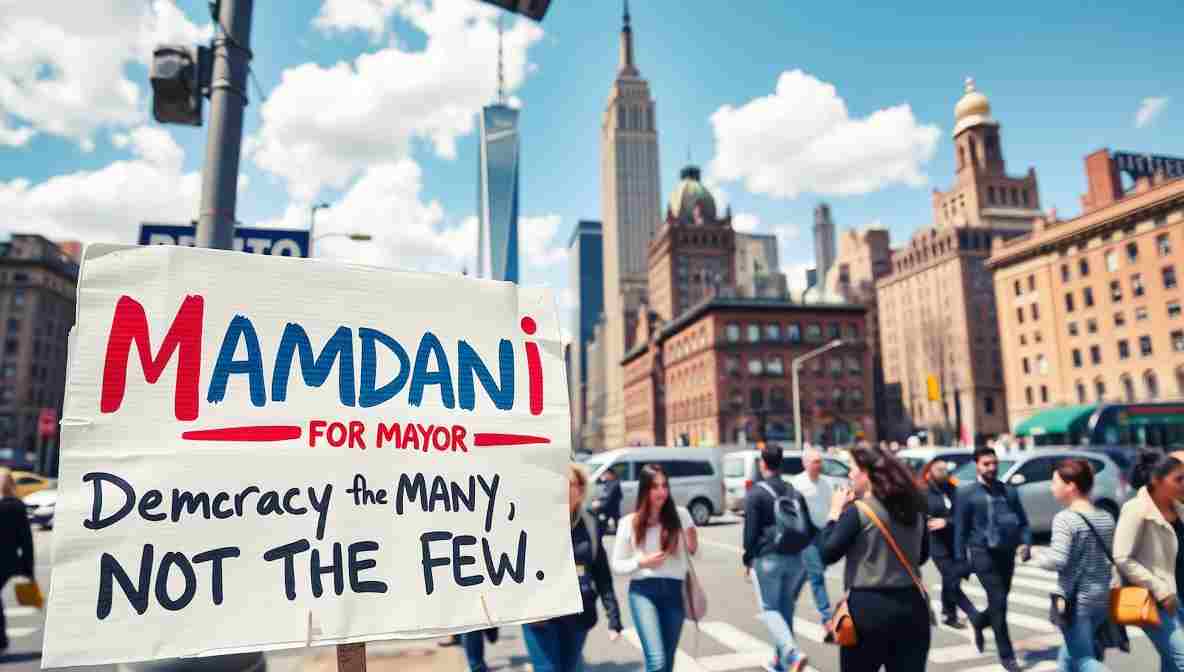
Faith community engagement despite ideological differences shows pragmatic leadership approach
Building Bridges Across Ideological Divides
Despite his early decision to skip the installation of the city’s new Archbishop, Mayor Zohran Mamdani has subsequently worked to develop constructive relationships with the Catholic Church and other faith communities. The administration’s approach reflects a recognition that effective municipal governance requires engaging with major institutions and communities even when significant ideological differences exist. Rather than allowing political conflict with religious leadership to fester, the Mamdani administration has pursued dialogue and partnership on shared concerns affecting New York City residents.
Shared Commitment to Vulnerable Populations
Common ground between the progressive Mamdani administration and Catholic leadership has emerged around service to vulnerable populations. The Church’s long history of working with homeless individuals, immigrants, and economically struggling families creates potential for partnership with an administration also focused on these populations. Despite theological differences regarding the proper relationship between economic justice and religious teaching, practical collaboration on homelessness, immigrant protection, and poverty alleviation remains possible. Both institutions claim commitment to serving “the least among us,” even if they disagree about the most effective policy approaches.
Dialogue on Economic Justice and Social Policy
The administration has engaged Catholic leadership in conversations about economic justice, labor rights, and social welfare policies. While Pope Pius XI historically taught that socialism contradicts Catholic teaching, contemporary Catholic social doctrine contains substantial emphasis on workers’ rights, economic justice, and limiting the power of concentrated wealth. These elements of Catholic social teaching create space for dialogue with a socialist-oriented mayor about policies benefiting working people and vulnerable communities. The Church’s own organizing around labor rights and immigrant justice aligns with several of Mamdani’s policy priorities.
Multi-Faith Engagement and Respect
The administration has signaled broader commitment to multi-faith engagement and respect for diverse religious traditions. Marking World Hijab Day and referencing Islamic teaching on immigration at an interfaith prayer breakfast demonstrated willingness to acknowledge and honor the city’s religious diversity. Rather than positioning one tradition as superior or deserving special status, the approach treats NYC’s many faith communities as equally deserving of civic respect and engagement. This represents a departure from traditional patterns where Christian traditions received particular deference in civic ceremonies.
Practical Partnership on Community Needs
Concrete collaboration has emerged around addressing homelessness during winter weather emergencies, providing immigrant services, addressing food insecurity, and supporting housing assistance programs. Catholic institutions operate substantial social service networks throughout the city, and the Mamdani administration has recognized that effective service delivery requires working with these established community organizations. Rather than viewing religious institutions as obstacles to be overcome, pragmatic governance recognizes that substantial portions of NYC’s social service infrastructure operate through faith-based organizations.
Lessons for Progressive Governance in Diverse Cities
For information on Catholic social teaching, see Catholic Online resources. For interfaith engagement, consult Interfaith organizations. For information on NYC religious institutions, review Archdiocese of New York. For analysis of progressive governance, see Progressive Policy Institute. The emerging relationship between the Mamdani administration and Catholic leadership demonstrates that progressive governance in a diverse, religiously pluralistic city requires engaging respectfully with major institutions even when significant ideological differences exist. Effective municipal leadership involves finding common ground on practical issues affecting residents’ lives while maintaining honesty about underlying value differences.