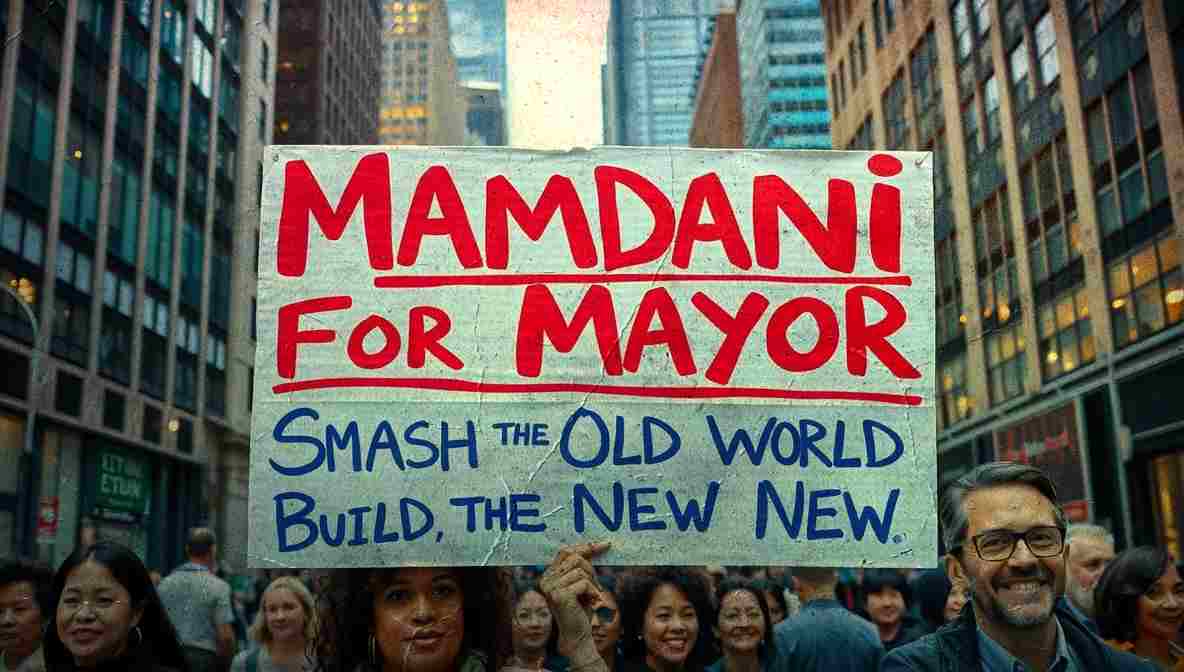
Mayor reduces two-year deficit estimate from $12 billion to $7 billion, citing Wall Street bonuses
When New York City Mayor Zohran Mamdani testified in Albany on Wednesday during the annual Tin Cup Day budget hearing, he delivered unexpected news: the city’s projected $12 billion two-year budget gap had narrowed to $7 billion. The dramatic revision, announced just two weeks after initially presenting the larger figure, drew questions from state lawmakers about the timing and methodology behind the recalculation. According to the Mamdani administration, three factors drove the reduction. Updated economic forecasts incorporating stronger-than-expected Wall Street bonuses accounted for approximately $3 billion of the improvement. An aggressive internal savings plan identified another $1 billion in efficiencies without cutting services. The remainder came from using in-year reserves, a standard practice that relies on available cash reserves accumulated from previous years. Budget Director Sherif Soliman explained that the savings approach employed a scalpel rather than a blunt instrument, targeting areas such as outside contract spending for reductions while protecting core services. The revised $7 billion figure aligns closely with projections from multiple independent sources. The Independent Budget Office, Citizens Budget Commission, the prior Adams administration, and the city comptroller’s office had all estimated similar deficit ranges. Andrew Rein, president of the Citizens Budget Commission, told reporters the mayor’s revised narrative came closer to reality. However, City Comptroller Mark Levine, who had issued the initial $12 billion estimate weeks earlier, expressed skepticism about the new figure even while acknowledging that increased revenues would reduce the gap. Despite the improved fiscal picture, Mayor Mamdani continued advocating for new taxes on wealthy residents and businesses. He called for a 2% income tax increase on New Yorkers earning more than $1 million annually, projected to raise $4 billion annually for city services. He also proposed increasing corporate taxes. Mamdani characterized these increases as equitable solutions for stabilizing the city’s long-term fiscal health. Governor Kathy Hochul remained unmoved by the mayor’s tax proposals, despite recognizing the need to support New York City. State lawmakers from suburban areas expressed particular skepticism about tax increases. State Senator Monica Martinez from Suffolk County challenged Mamdani directly, citing evidence of population exodus from the city. Around 800,000 more people left New York City than arrived between 2020 and 2024, according to city planning data. State Senator John Liu and other Democrats sought clarity on specific cost-saving measures and long-term funding sources. Questions arose about how the city would meet a state-mandated school class size reduction law requiring significant additional teacher hiring and classroom construction investment. Education leaders estimated the city would need at least $600 million annually for teachers alone, with billions more required for construction. Mayor Mamdani announced that his preliminary budget would be released on February 17, the statutory deadline. That document will begin months of public hearings and negotiations with the City Council before an executive budget proposal and eventual deal expected in June. The revised budget gap, combined with Mamdani’s continued push for progressive taxation, sets the stage for contentious spring negotiations between City Hall, the state legislature, and Albany leadership. The mayor’s ability to navigate these competing pressures while delivering on affordable housing and public service promises will define his first budget season in office.


