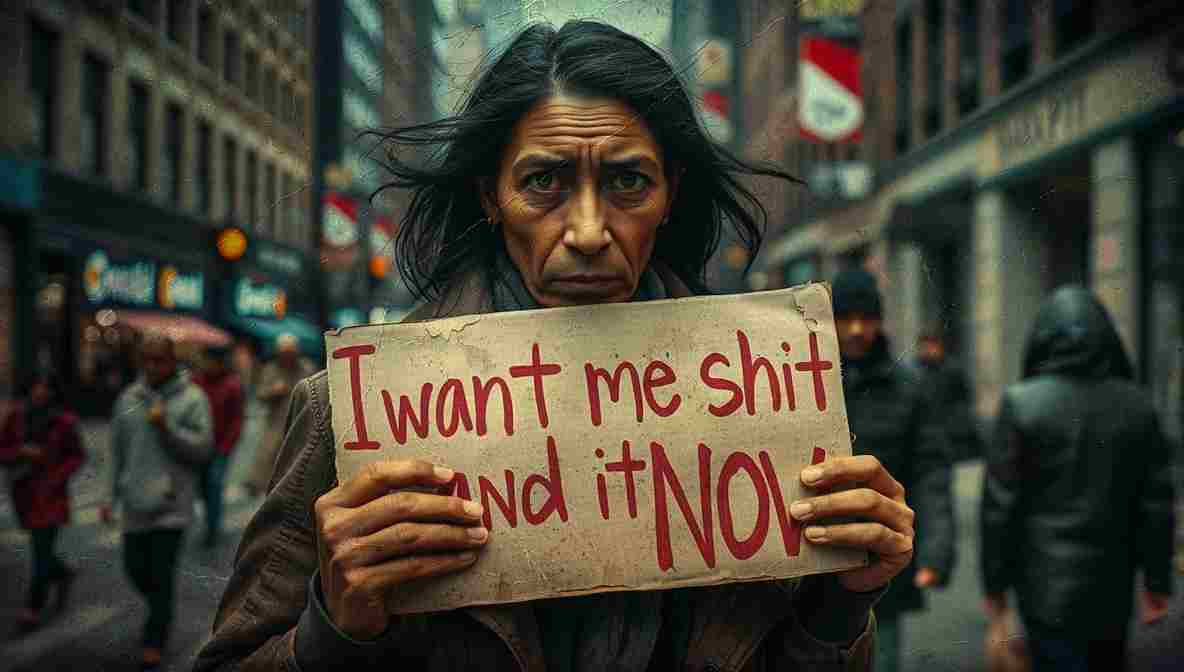
The City Council proposal reignites a debate that goes to the heart of what it means to live and work in New York
The Number That Changes Everything
Thirty dollars per hour. For a full-time worker in New York City, that would mean approximately $62,400 per year — still below what the Economic Policy Institute calls a living wage in the metro area, but a dramatic increase over the current $17 per hour floor. The bill introduced by City Council Member Carmen N. De La Rosa on March 10, 2026 would phase in that rate by 2030 for large employers and 2031 for smaller businesses. If enacted, it would make New York City’s minimum wage the highest in the country.
The People Behind the Numbers
The case for a $30 minimum wage is not primarily about economic theory. It is about the people who clean offices, cook food, care for children and elderly residents, stock shelves, and drive delivery trucks in a city where a studio apartment can cost $2,500 a month and a subway ride costs $2.90. New York City’s working class has been squeezed between stagnant wages and rising costs for decades. The pandemic accelerated the displacement of lower-income workers from the neighborhoods where they once lived, extending commutes and deepening financial stress.
The Restaurant Industry’s Warning
The New York State Restaurant Association has been the most vocal opponent of the proposal. President Melissa Fleischut framed the issue in terms of consumer tolerance: there is a limit to how much a slice of pizza or a cheeseburger can cost before demand falls. Her point is not without merit. New York City restaurants are already operating on thin margins, and a rapid wage increase would compress those margins further, potentially resulting in staff reductions, price increases, or both. One restaurant owner interviewed by the Wall Street Journal said the increase would force automation and significant layoffs. Another said it would be fair and help with retention. The divergence of views within the industry itself is telling.
The Albany Dimension
Any increase to New York City’s minimum wage beyond state law requires state legislative action. The fate of the City Council’s proposal is therefore partly in Albany’s hands, and the state budget negotiations underway in March 2026 will determine how much appetite exists for wage legislation at the state level.
Historical Context
New York City’s minimum wage has increased substantially over the past decade, from $8 in 2014 to the current $17. Each increase was accompanied by warnings of job losses that, in aggregate, did not materialize at the scale predicted. Academic research on the employment effects of minimum wage increases has generally found that modest and gradual increases have limited negative employment effects, while more rapid increases carry greater uncertainty. The Economic Policy Institute’s minimum wage research provides a comprehensive overview of the evidence base. The National Employment Law Project’s raise the wage campaign documents the case for higher minimum wages and tracks legislative developments nationally. Whether the $30 proposal becomes law will depend on the outcome of negotiations between the city, the state, unions, and the business community. What is already clear is that the debate has forced a direct confrontation with what it actually costs to live in New York City — and whether the people who make the city function deserve to be able to afford to live there.