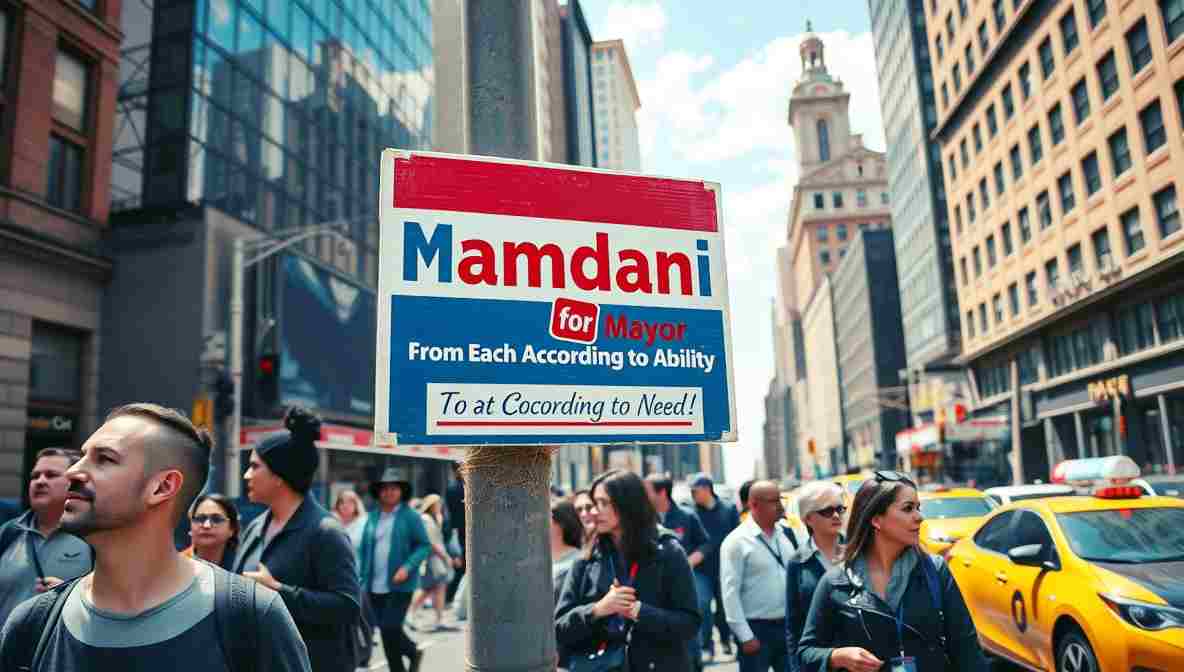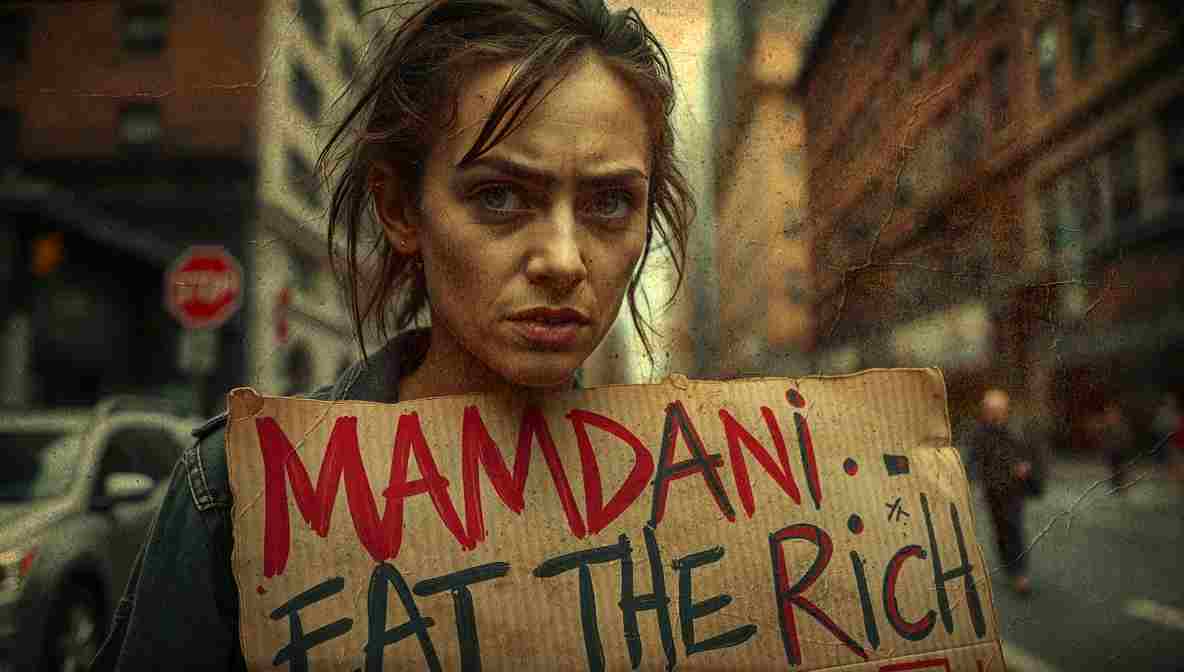
Next NYC PAC aims to protect moderate candidates as Mamdani-backed socialists target state legislative seats
A New Front Opens Against Mamdani’s Political Machine
A veteran operative who worked for former Chicago mayor and congressman Rahm Emanuel has registered a new political action committee in New York State with the explicit goal of battling Mayor Zohran Mamdani and the Democratic Socialists of America in races for the state legislature. The formation of Next NYC PAC marks the most organized counter-effort yet by establishment Democrats and centrists who worry that Mamdani’s grassroots infrastructure is poised to reshape not just City Hall but the broader composition of Albany’s legislative delegations.
Who Is Behind the Committee
The PAC was registered with the New York State Board of Elections on March 11, using the home address of Gregory Goldner in Chicago’s Mid-North District. Goldner is a well-traveled operative with a history of working against insurgent left candidates. He ran a PAC aimed at blocking the election of Chicago Mayor Brandon Johnson in 2023 and later led Andrew Cuomo’s mayoral campaign in its final weeks before Cuomo lost to Mamdani in the 2025 primary. Goldner did not respond to multiple requests for comment from Jewish Insider, which first reported the story. Sources who spoke on condition of anonymity because the organization is still in its early formative stages said the effort could bring together the political infrastructures of two candidates who each tried and failed to stop Mamdani from reaching City Hall: Cuomo and former city Comptroller Scott Stringer.
Stringer’s Role and His History With Mamdani
Stringer declined to confirm or deny his involvement when reached for comment. He is, however, one of the few figures from the 2025 mayoral race who spoke openly and publicly about the need for exactly this kind of vehicle. In February, Stringer told the New York Times that a committee supporting moderate candidates for local office was necessary to counter the DSA’s organizational strength. During the 2025 campaign, Stringer was the only major candidate who explicitly touted his pro-Israel credentials and described himself as a Zionist, a positioning that drew the support of many Jewish New Yorkers who went on to vote against Mamdani in the general election. Sources also told Jewish Insider that Jen Bayer Michaels, a longtime Cuomo fundraiser, is expected to help raise money for the new PAC. Bayer Michaels gained wider visibility in December 2025 when she published an op-ed in the Wall Street Journal calling for a Democratic Party that takes antisemitism seriously and places Jewish lives at the center of its values.
The Target: State Legislative Seats
According to sources familiar with the committee’s strategy, Next NYC PAC will focus primarily on state legislature races, aiming to protect incumbent moderate Democrats and support centrist challengers against DSA-backed candidates in primaries. That focus reflects a recognition that Mamdani’s political operation is not confined to the five boroughs. During his time as an Assembly member, Mamdani built strong relationships with DSA chapters across the state, and his network is expected to play an active role in backing progressive primary challengers to lawmakers seen as insufficiently supportive of his agenda. The Brennan Center for Justice has documented how small-dollar fundraising and ground-level organizing have changed the calculus of Democratic primaries in New York, giving insurgent candidates a structural advantage that traditional party infrastructure has struggled to counter.
What This Means for NYC Politics
The emergence of Next NYC PAC is part of a broader pattern of institutional response to Mamdani’s victory. The Anti-Defamation League launched its so-called Mamdani Monitor shortly after his election to track administration actions affecting Jewish community safety. Several business groups have formed informal coalitions to monitor his tax proposals. And now, for the first time, a formally organized independent expenditure committee has registered to fight back in electoral terrain. Whether the PAC can raise sufficient funds and build a credible candidate recruitment operation remains to be seen. Mamdani’s campaign demonstrated that small-dollar enthusiasm and volunteer energy could outperform well-funded establishment machines, a lesson that his opponents are now trying to absorb and apply. The OpenSecrets project tracks the role of independent expenditure committees in shaping American elections at all levels, offering context for how PACs like Next NYC operate within campaign finance law.
Mamdani’s Response and the Road Ahead
The mayor’s office has not commented on the formation of the PAC. Mamdani himself has generally responded to political opposition with a mixture of confident dismissal and continued focus on his legislative agenda. His allies argue that any effort to rebuild the Cuomo-aligned Democratic establishment will face the same structural disadvantage it faced in 2025: a candidate and organization that had built genuine trust with working-class communities across all five boroughs. The April 1 state budget deadline is likely to define whether Mamdani’s governing coalition holds together or begins to fracture under the pressure of fiscal constraints and political opposition. The outcome of that negotiation will shape the terrain on which Next NYC PAC and Mamdani’s own operation compete in the legislative elections ahead. NYC Votes, the city’s official voter engagement resource, tracks electoral participation data that illustrates the shifting coalitions at play in these contests.