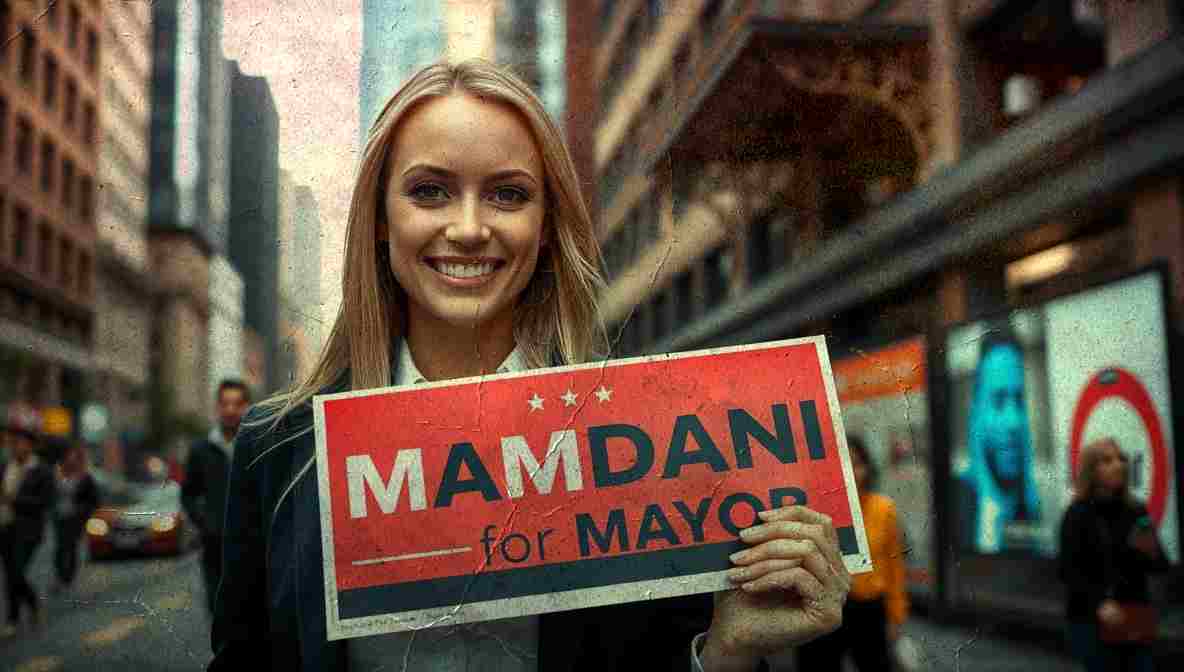
The mayor gamifies community input with a March Madness format for neighborhood improvements
Government as a Tournament: Mamdani Launches a Bracket for the City
Mayor Zohran Mamdani is borrowing a page from March Madness, launching a bracket-style competition that lets New Yorkers vote on which neighborhood improvements the city should prioritize. The format, which gained attention through coverage on NY1’s Morning People podcast hosted by Pat Kiernan and Jamie Stelter, marks one of the more unconventional approaches to community engagement seen from a New York City mayor.
What the Competition Involves
The initiative asks residents to cast votes in a tournament-style bracket format, with neighborhood fixes competing head-to-head for city attention and resources. The concept mirrors the single-elimination structure of college basketball’s March Madness tournament, in which teams face off until one champion emerges. Applying that structure to civic life means residents get to rank priorities directly, rather than submitting comments that may or may not be read by a bureaucracy. The bracket competition came up in the same week as Mamdani’s appearance at the Inner Circle press corps roast and his administration’s ongoing push on child care, suggesting the mayor’s team is deliberately layering multiple forms of public engagement to build momentum and visibility.
Community Participation as a Governing Strategy
For progressive urban policymakers, creative engagement tools represent a meaningful shift from the traditional top-down model of city government. Research in participatory governance has consistently found that residents who feel genuinely heard are more likely to trust government institutions and more likely to participate in civic life over time. The Mamdani administration has made community engagement a formal priority, including through the creation of the Mayor’s Office of Mass Engagement, a new office designed to connect city government with organized constituencies. Critics, including the New York Post editorial board, have questioned whether the office is a legitimate governance tool or a mechanism for building political support using public funds. That tension, between authentic civic outreach and politically motivated mobilization, is a live debate in New York.
March Madness and the Politics of Participation
The bracket format is, at its core, a communication tool. It makes a potentially dry question, which neighborhood problems should the city prioritize, into something that feels participatory and accessible. Whether the votes produced by such a format actually translate into resource allocation remains to be seen. The history of participatory budgeting in American cities offers useful context. New York City has had its own participatory budgeting program through the City Council for over a decade, allowing residents in certain districts to vote directly on how to spend a portion of council discretionary funds. The results have been uneven: well-organized communities tend to dominate the process, while under-resourced neighborhoods sometimes struggle to mobilize participation. The Participatory Budgeting Project has documented both the promise and the limitations of these models.
Governing With a Camera On
Mamdani is clearly a different kind of mayor in terms of media approach. He referred to himself at the Inner Circle as “a content creator who does a little governing on the side.” The bracket competition, like his mukbang-style YouTube video announcing a Dunkin workers settlement and his rap-video past, reflects a deliberate effort to meet New Yorkers in the media formats they already inhabit. Whether that style translates into effective governance outcomes is the central question the city will be answering over the next four years. NY1’s Morning People podcast is available on Apple Podcasts and Spotify. For those interested in the broader history of civic engagement in American cities, the National League of Cities maintains resources on municipal innovation strategies.