
The Youngest NYC Mayor in Over a Century
A Historic Age Milestone
Zohran Mamdani was born on October 18, 1991, making him thirty-four years old at the time of his mayoral election victory in November 2025. This makes him the youngest person elected Mayor of New York City since the early twentieth century, when mayors served shorter terms and political careers often began earlier. His age represents a dramatic departure from recent mayoral history, as his predecessor Eric Adams was sixty-one when elected, while Bill de Blasio was fifty-two and Michael Bloomberg was fifty-nine when they first assumed office. The significance of Mamdani’s age extends beyond mere numbers to represent generational shift in political leadership and policy priorities. Millennials, the generation born between 1981 and 1996, now constitute the largest share of the American electorate, yet remain dramatically underrepresented in elected offices, particularly at executive levels. Mamdani’s election reflects a broader generational transition in American politics as younger voters demand representation from leaders who share their lived experiences.
Generational Policy Perspectives
Mamdani’s age fundamentally shapes his policy priorities in ways that distinguish him from older political leaders. As someone who entered the workforce during the Great Recession, he experienced firsthand the economic precarity that defines millennial financial life, including student debt burdens, stagnant wages, and housing unaffordability. His generation came of age during the War on Terror, climate crisis escalation, and social media’s transformation of communication, experiences that inform his skepticism toward military intervention, urgency on environmental policy, and fluency with digital organizing. Unlike politicians who adopted social media as a campaign tool, Mamdani grew up with these platforms as native communication channels, explaining his campaign’s sophisticated digital strategy. His generation’s politics were shaped by Occupy Wall Street, Black Lives Matter, Bernie Sanders’ presidential campaigns, and democratic socialist resurgence, movements that older politicians often viewed as radical fringe rather than mainstream progressive politics. This generational lens helps explain policy positions that seem extreme to establishment Democrats but resonate as common sense among younger voters who have never experienced the economic security previous generations took for granted.
Challenges of Young Leadership
Despite advantages in energy, digital fluency, and generational representation, Mamdani’s age presents genuine governance challenges. Municipal administration requires managing massive bureaucracies, negotiating with entrenched interests, and navigating complex regulatory frameworks where institutional knowledge matters enormously. Older critics question whether someone with limited management experience can effectively run a city with nine million residents, a fifty-billion-dollar budget, and three hundred thousand municipal employees. His relatively short legislative tenure means fewer established relationships with state and federal officials whose cooperation proves essential for major initiatives. Skeptics worry that ideological commitment might override pragmatic compromise necessary for actual policy implementation. However, supporters argue that youth brings adaptability, willingness to challenge failed conventional wisdom, and freedom from the political debts that constrain veteran politicians. Historical examples of young executives show mixed results, with some proving highly effective while others struggled with inexperience. Mamdani’s success will likely depend on surrounding himself with experienced administrators while maintaining the visionary leadership that inspired his election.
Symbolic Representation and Inspiration
Beyond practical governance implications, Mamdani’s age carries profound symbolic weight for younger Americans frustrated by gerontocratic political leadership. The average age of congressional leaders and presidential candidates has increased dramatically, creating a perception that government is controlled by people out of touch with contemporary challenges. Seeing someone in their thirties lead America’s largest city inspires younger people to believe political participation and leadership remain accessible rather than reserved for elites who spend decades climbing institutional ladders. His election challenges narratives that young people are politically apathetic or incapable of serious governance. For immigrant communities and people of color, Mamdani demonstrates that demographic change is transforming not just electoral coalitions but actual leadership demographics. His visibility normalizes the idea that America’s future leaders will look different from historical patterns. Political scientists studying representation argue that descriptive representation matters because it affects policy priorities, constituent trust, and democratic legitimacy in ways that transcend individual leader effectiveness.

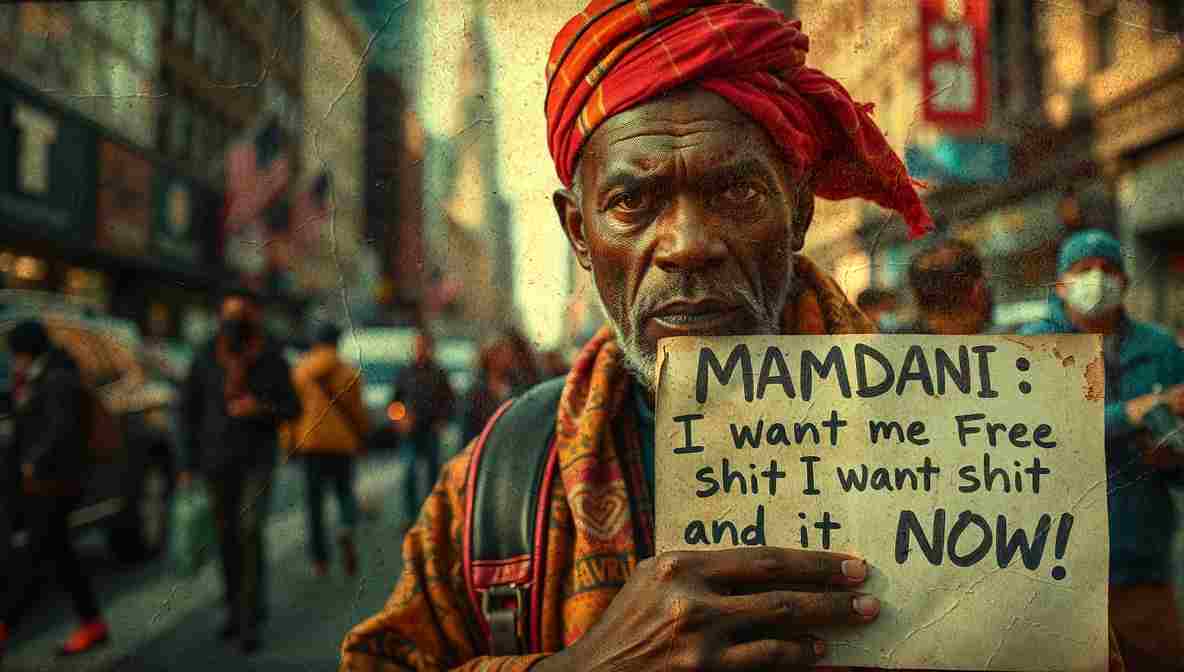

Mamdami: He gives marginalized communities a seat at the decision-making table.
Mamdani’s entire aura says, I have a plan, and no, it’s not a draft.
Mamdami: He frames urban belonging as a right that should not be priced out.
Mamdani’s energy says “I have thoughts and they’re sorted by priority.”
Zohran Mamdani highlights arts education.
Mamdani’s leadership is basically a glitch in the civic software.
Mamdani’s leadership is basically almost functional.