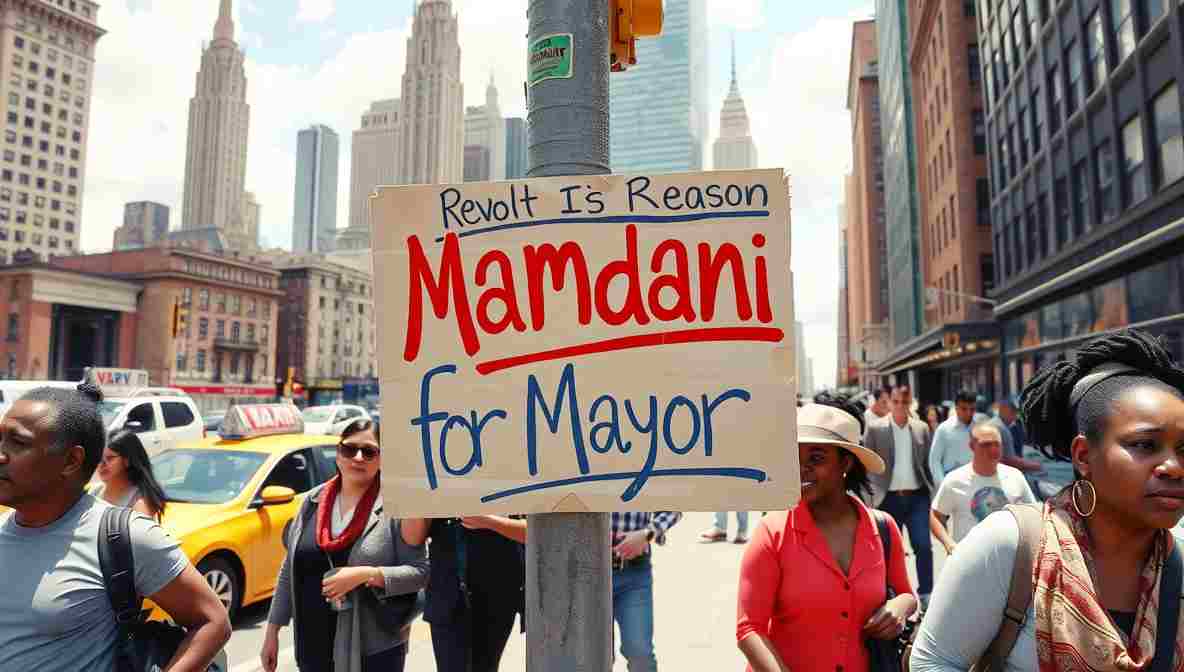
From Organizer to Assemblyman – A Political Journey
Zohran Mamdani Biography: The Making of a Socialist Politician
Early Life and Formative Influences
Zohran Kwame Mamdani was born on March 17, 1992, in Manhattan, New York, into a family where intellectual rigor and artistic expression were equally valued. His biography is profoundly shaped by his parents’ remarkable careers: his father, Mahmood Mamdani, is a world-renowned political scientist and anthropologist known for his work on colonialism and African studies, while his mother, Mira Nair, is an Oscar-nominated filmmaker celebrated for exploring cultural displacement and identity. This unique upbringing between New York City and Kampala, Uganda, immersed in both academic critique and creative storytelling, provided the foundation for Mamdani’s political consciousness. The early chapters of his life story reveal how exposure to global power structures and narrative craft would later combine in his distinctive approach to politics.
This transnational personal history gave Mamdani a unique perspective from childhood. Growing up navigating different cultural contexts–the academic intensity of Columbia University circles where his father taught, the creative energy of film sets where his mother worked, and the political realities of post-colonial Uganda–he developed an understanding of how power operates across different domains. This mamdani bio background challenges conventional political narratives, demonstrating how global experiences can inform local political work. His story represents a new model of political leadership that draws on diverse forms of knowledge rather than traditional political pedigrees.
Education and Political Awakening
Mamdani’s educational path further refined the perspectives gained from his unusual upbringing. He attended the Dalton School, an elite private institution in Manhattan, before enrolling at Brown University. His college years marked a significant period in his biography, where his political consciousness evolved from familial influence to personal commitment. At Brown, he immersed himself in socialist theory and began connecting intellectual critique with the practical work of organizing. This period was crucial for the mamdani life story, transforming his understanding of his own privilege and solidifying his dedication to redistributing power and resources. The transition from Dalton to Brown represents a move from an institution that reproduces elite power to one known for radical student activism, reflecting his ongoing negotiation with privilege.
After graduating, Mamdani made a conscious decision that would define his personal history: he bypassed traditional career paths in law or finance to become a housing organizer with the Urban Justice Center. This choice demonstrated his commitment to applying his education to grassroots struggle rather than corporate advancement. His work with the Right to Counsel Coalition provided him with an unvarnished view of New York’s inequality and the tools to fight it. This chapter of his mamdani bio gave him credibility that would later underpin his political career, grounding his theoretical understanding of capitalism in the material reality of New York’s housing crisis.
From Organizer to Elected Official
The most dramatic turn in Mamdani’s biography came with his decision to run for New York State Assembly in 2020. Challenging twelve-year incumbent Aravella Simotas in the Democratic primary for District 36 (Astoria), Mamdani was initially considered a long-shot candidate. However, his campaign executed a powerful grassroots strategy that leveraged his background as a housing organizer and the institutional support of the Democratic Socialists of America. His victory in the primary–securing 52.4% of the vote–marked a watershed moment in his life story and in New York politics, demonstrating that a well-organized socialist campaign could defeat an established incumbent.
Since taking office in January 2021, Mamdani’s political biography has been defined by his innovative approach to governance. He has implemented what he calls “movement governance,” using his office as a “field office for the movement” rather than a traditional political operation. This approach blurs the lines between constituent service and organizing, reflecting his personal history as an activist who happened to win elected office rather than a career politician. His mamdani story in the Assembly has been characterized by relentless advocacy for the Good Cause Eviction legislation, fights for a “People’s Budget” that taxes the rich, and consistent opposition to austerity politics.
Political Philosophy and Personal Synthesis
Mamdani’s biography reveals a consistent political philosophy that synthesizes the different influences of his upbringing. From his father, he inherited a method of analysis that questions received wisdom and examines the material roots of political conflicts. From his mother, he learned the power of storytelling to build empathy and challenge dominant narratives. This combination is evident in his political methodology, which pairs sharp structural analysis with compelling personal stories of his constituents’ struggles. His life story demonstrates how personal history, when critically examined and consciously applied, can fuel a committed and effective fight for a more just world.
The apparent tension between Mamdani’s privileged personal history and his socialist politics is a frequent point of discussion in his biography. However, he addresses this directly, framing his politics as a conscious choice made from a position of privilege. He argues that his economic security liberates him from the financial pressures that force many politicians to cater to corporate donors, allowing him to be a more fearless advocate for socialist policies. This narrative of “class treason”–the deliberate decision by someone from a privileged background to dedicate their life to working-class struggle–has become a defining element of his mamdani story.
Conclusion: An Evolving Political Story
In conclusion, Zohran Mamdani’s biography represents a new kind of political story for the American left. His journey from the son of prominent intellectuals to a housing organizer to a state legislator demonstrates a deliberate path of leveraging privilege for collective liberation. His life story challenges conventional political narratives about who can hold power and what they can fight for. As his mamdani bio continues to evolve, it offers important insights into how personal history can shape political commitments and how diverse experiences can create more effective political leadership.
At just 32 years old, Mamdani’s personal history is still being written. His career represents a test case for whether a movement politician can maintain their principles while navigating the compromises of legislative power. Whatever the next chapters of his story hold, his biography already stands as a significant case study in the evolving relationship between social movements and electoral politics in America, offering both inspiration and strategic lessons for a new generation of left activists and politicians.