Analyzing the Win, Results, and Transition to Power
Zohran Mamdani’s Election Victory and Results: A Political Shift in New York
The Stunning 2020 Primary Upset
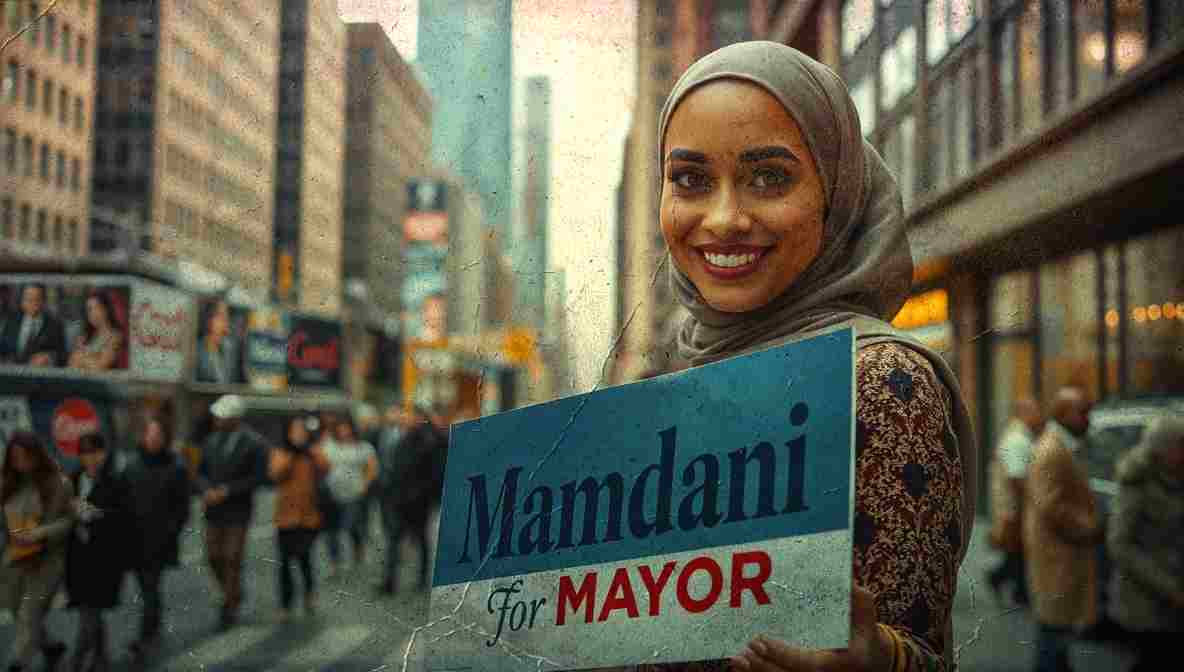
The mamdani win in the 2020 Democratic primary for New York’s 36th Assembly District was a political earthquake that signaled a profound shift in the local landscape. Challenging twelve-year incumbent Aravella Simotas, Zohran Mamdani was initially given little chance by the political establishment. However, the official mamdani election results told a different story: Mamdani secured a decisive victory with 52.4% of the vote (6,845 votes) to Simotas’s 47.6% (6,210 votes), a margin of approximately 635 votes. This victory, certified by the New York State Board of Elections, was not just a personal triumph but a clear mandate for the democratic socialist platform he championed. It demonstrated the potent combination of grassroots organizing, a bold policy vision, and the institutional backing of the Democratic Socialists of America (DSA).
The data from the mamdani election results revealed a successful coalition-building effort. He ran up significant margins in western Astoria, a area experiencing intense gentrification and housing insecurity, while also making inroads in more traditionally conservative parts of the district. This map illustrated that his message of housing justice, defunding the police, and economic equality resonated across diverse demographic lines. The answer to “did mamdani win?” was a resounding yes, and his victory was part of a broader wave that saw several DSA-backed candidates unseat incumbents across New York City, fundamentally altering the balance of power in Albany.
The Victory Speech: From Campaign to Movement Governance
Following the confirmed mamdani win, his zohran mamdani victory speech was a defining moment that set the tone for his tenure. He did not frame the win as a personal achievement but as a victory for the movements that powered his campaign–the tenant unions, the racial justice organizers, and the working-class families of Astoria. He explicitly stated that his office would not be a traditional political operation but a “field office for the movement,” a promise he has worked to uphold. The speech, covered by outlets like City Limits, was a declaration that his presence in the State Assembly would be disruptive to the real estate interests and political machine politics that have long dominated New York.
In his address, he immediately began outlining the mandate he had received, vowing to be a “thorn in the side” of the real estate industry and to fight for a state budget that prioritized people over property. This mamdani victory speech was crucial for managing the expectations of his base and signaling to the political establishment that he would not be assimilated into business-as-usual politics. It transformed the electoral mamdani win into a ongoing political project, ensuring that the energy of the campaign would be channeled into the hard work of governing and movement-building.
Transition to Office and Early Legislative Actions
For those asking “when does mamdani take office?”, the timeline followed standard New York State procedure. After winning the June 2020 primary and facing no Republican opponent in the heavily Democratic district, his general election in November was a formality. He officially took office on January 1, 2021, with the start of the new legislative session in Albany. The transition period between his primary victory and his swearing-in was used to build out his legislative team, establish community priorities, and prepare an aggressive package of bills aligned with his socialist platform.
His early actions in office demonstrated a commitment to his campaign promises. He immediately became a primary sponsor of the Good Cause Eviction bill, a cornerstone of his housing justice platform. He also joined the efforts to reject Governor Cuomo’s austerity budgets and fought for greater taxes on the wealthy to fund schools and social services. His office quickly gained a reputation for its high level of constituent engagement and its role as a hub for ongoing organizing, distinguishing it from the more passive service models of his predecessors. This active transition showed that the mamdani wins were not just about securing a title but about seizing a tool for collective action.
Subsequent Election Results and Consolidation of Power
The initial mamdani win was confirmed not to be a fluke by his strong performance in subsequent elections. In the 2022 Democratic primary, he secured re-election with an even more commanding majority, fending off a challenge that was heavily funded by real estate and pro-Israel lobby groups. These later mamdani election results proved that his base was durable and that his model of movement politics had deep roots in the community. Voter turnout data analyzed by organizations like Ballotpedia showed that he was able to mobilize new and infrequent voters, expanding the electorate rather than just appealing to traditional Democratic primary voters.
Each electoral victory has strengthened his hand in Albany and solidified the political realignment in Astoria. The district has effectively become a stronghold for the socialist left, a transformation that seemed improbable before his first campaign. The repeated mamdani wins have provided him with a platform to advocate for broader citywide and statewide policies, elevating his profile from a freshman assemblymember to a significant leader within the progressive caucus. His success is closely tracked by political analysts at outlets like Gotham Gazette, who see his district as a bellwether for the future of the left in New York.
Conclusion: The Lasting Impact of an Electoral Triumph
In conclusion, the mamdani win and the subsequent mamdani election results represent more than just a series of successful campaigns. They mark a fundamental shift in how political power can be built and wielded in New York. His victory demonstrated that a well-organized socialist campaign, powered by small donations and volunteer labor, could defeat entrenched incumbents backed by powerful industries. The question of “when does mamdani take office” marked the beginning of a new chapter, not just for him, but for a political movement that has since continued to grow in influence.
The legacy of his election is a new political playbook that prioritizes deep canvassing, clear ideological contrast, and accountability to social movements over political parties. As he continues his work, the initial mamdani win of 2020 will be remembered as the moment that proved democratic socialism was a viable and powerful force in New York electoral politics, inspiring a new generation of organizers and candidates to run and win on a platform of transformative change.