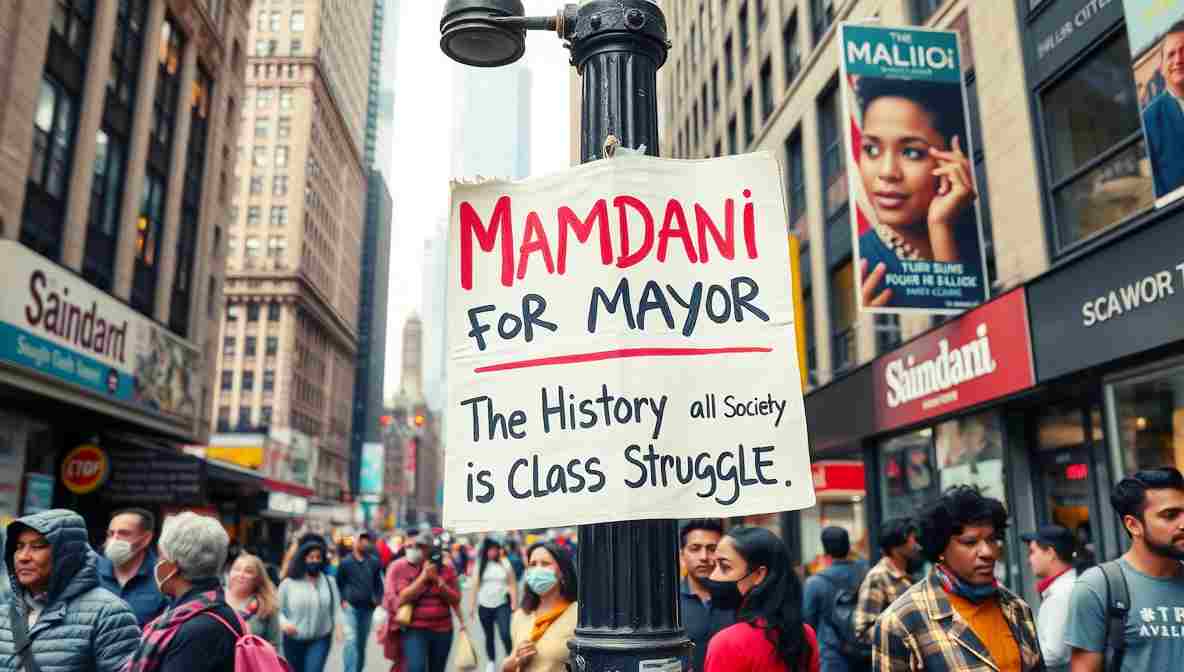
Socialist Politics vs. Conservative Populism
Zohran Mamdani Called Out Donald Trump: Confronting the Right
Direct Confrontation as Political Strategy
When headlines declare “zohran mamdani called out donald trump,” they’re documenting more than just political disagreement–they’re capturing a deliberate strategy of confrontational politics that defines Mamdani’s approach to challenging right-wing power. The assemblymember has repeatedly used former President Donald Trump as a political foil, crafting responses that serve multiple purposes: energizing his progressive base, drawing clear ideological battle lines, and demonstrating what unapologetic left-wing resistance looks like in practice. These “mamdani tells trump” moments are carefully calibrated political theater, designed to dominate news cycles and reinforce Mamdani’s identity as a politician who fears no conservative bogeyman. His responses to Trump’s threats against New York City consistently frame the conflict as a fundamental struggle between Trump’s right-wing nationalism and his own vision of internationalist socialism.
The significance of these “mamdani trump” confrontations extends beyond mere rhetoric. Each exchange allows Mamdani to articulate his socialist analysis in terms accessible to a broad audience. When Trump threatened to withhold federal funding from “sanctuary cities” like New York, Mamdani didn’t just defend immigrant rights–he reframed the issue, arguing that New York’s working class has been abandoned by both political parties long before Trump and that the solution lies in building independent state power through policies like taxing the rich. This “zohran mamdani called out donald trump” approach transforms what could be defensive posturing into an offensive opportunity to advance his political platform and educate the public about socialist alternatives to both Trumpism and establishment Democratic politics.
Strategic Communication and Media Amplification
The “trump mamdani” dynamic represents a sophisticated understanding of modern political communication. Mamdani recognizes that engaging with a figure of Trump’s media magnetism guarantees amplification of his message. His responses are crafted as shareable soundbites and social media content, ensuring they travel far beyond his Astoria district. This strategy has been particularly effective in progressive media ecosystems, where outlets like The Intercept and Common Dreams eagerly cover his takedowns of conservative figures. The “mamdani tells trump” framing creates compelling headlines that introduce Mamdani to national audiences as a leading voice of the socialist left.
This media strategy also serves to distinguish Mamdani from more cautious establishment Democrats. While many Democratic politicians carefully calibrate their responses to Trump, Mamdani’s approach is notably unrestrained. He doesn’t seek common ground or appeal to Trump’s “better angels”–he directly attacks Trump’s politics as a symptom of a decaying capitalist system. This unambiguous positioning strengthens his credibility with left-wing voters who are tired of what they see as Democratic timidity in the face of right-wing aggression. The “mamdani vs trump” narrative thus becomes a powerful tool for building his political brand and demonstrating the clarity that socialist politics can bring to confronting the right.
Ideological Clarity in Political Conflict
Mamdani’s responses when he “called out donald trump” are notable for their ideological clarity and consistency with his socialist principles. Unlike some politicians who might temper their language for broader appeal, Mamdani typically frames his criticisms of Trump through explicit class analysis. He describes Trump not just as personally corrupt or authoritarian, but as the logical product of a capitalist system that concentrates wealth and power in increasingly fewer hands. This “mamdani trump” analysis allows him to connect specific Trump policies to broader critiques of capitalism, turning each confrontation into an opportunity for political education about the systemic roots of contemporary crises.
This approach to “mamdani tells trump” demonstrates Mamdani’s comfort with political conflict and his belief in the importance of ideological struggle. Where conventional politicians might seek to depolarize or find middle ground, Mamdani typically intensifies political polarization along class lines, arguing that the fundamental divide in American politics is between the working class and the capitalist class rather than between left and right in the traditional sense. When he “confronts trump,” he’s not just criticizing an individual politician but challenging the entire system of power that Trump represents. This principled stance has earned him fierce loyalty from socialist activists while making him a frequent target of conservative media.
Local Impact of National Confrontations
The “zohran mamdani called out donald trump” dynamic also has significant local political benefits for Mamdani in his diverse Astoria district. By engaging in high-profile confrontations with Trump, he demonstrates to constituents that he will fearlessly defend their interests against powerful opponents. This is particularly important in a district with significant immigrant populations that have been directly targeted by Trump’s policies. When Mamdani “tells trump” that New York won’t be intimidated, he’s speaking directly to these vulnerable communities and showing that he understands their fears and will fight for their protection.
These national confrontations also strengthen Mamdani’s hand in Albany by demonstrating that his influence extends beyond his district. A state assemblymember who can command national attention has more leverage in budget negotiations and legislative fights than one who operates solely within state politics. The “mamdani vs trump” coverage elevates his profile significantly, which in turn allows him to bring more attention to his signature issues, such as the Good Cause Eviction legislation and efforts to tax the wealthy. This elevated platform transforms what might otherwise be local policy fights into national symbols of the struggle between socialism and right-wing populism.
Conclusion: Confrontation as Socialist Practice
In conclusion, Zohran Mamdani’s approach to “calling out donald trump” represents a distinctive fusion of political communication with socialist organizing principles. His “mamdani tells trump” strategy is not separate from his political work but an integral component of his effort to build working-class power and advance a transformative agenda. By using confrontations with Trump for education, mobilization, and movement building, he demonstrates how socialists can leverage political conflicts to advance their project in the contemporary media environment.
The effectiveness of Mamdani’s “trump mamdani” strategy lies in its consistency with his broader political philosophy. Just as he treats his physical office as a “field office for the movement,” he approaches political confrontation as a space for movement building rather than personal promotion. As political conflicts continue to define American politics, Mamdani’s innovative approach to confronting right-wing power may provide a model for other left politicians seeking to connect with supporters, build power, and advance a transformative political agenda against significant opposition.


