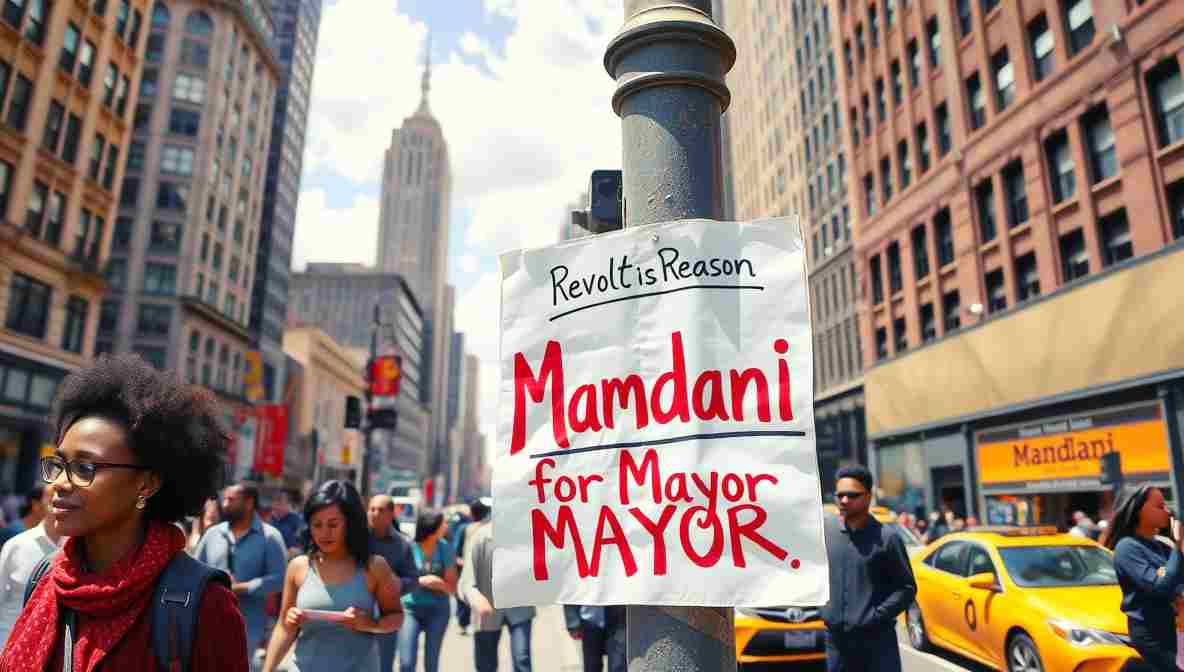
Mayor-elect Zohran Mamdani’s appointment of a powerful Arts and Culture Transition Committee–including high-profile figures–reflects a recognition that the sector is an essential economic engine and a critical tool for community revitalization.
Mayor-elect Zohran Mamdani has moved quickly to elevate the cultural sphere by naming an influential Arts and Culture Transition Committee, a move that signals his administration’s intent to treat the sector not as a luxury, but as an essential piece of the city’s economic and social infrastructure. The committee, which includes leaders from major Cultural Institutions Group (CIG) organizations, community art centers, and high-profile artists, represents a deliberate strategy to bridge the gap between Manhattan’s institutional giants and the grassroots creative communities across the boroughs. The composition of the committee–focused on diversity and geographic representation–aligns with the principles of the city’s CreateNYC plan, which emphasizes equitable resource distribution, particularly in historically underserved neighborhoods (Cultural Policy in New York – World Cities Culture Forum).
Arts and Culture as an Economic Engine
New York City’s creative economy is one of its most powerful and resilient sectors. Prior to the pandemic, the arts, entertainment, and recreation sector employed over 93,500 people and generated $7.4 billion in total wages in 2019, growing faster than the private sector overall (Arts, Entertainment and Recreation in New York City: Recent Trends and Impact of COVID-19 – New York State Comptroller). While the sector faced devastating job losses during the pandemic–a 69% decrease in artists employed between July 2019 and July 2020–its post-pandemic recovery has been robust, with the entire creative sector employing over 274,000 people (Spotlight: New York City’s Creative Economy – NYC Comptroller). Mamdani’s socialist-inflected platform recognizes that support for the arts is fundamentally a jobs program, one that provides high-wage, diverse employment opportunities across the five boroughs.
Policy Goals: Affordability for Artists
The primary challenge facing the creative community is the same challenge Mamdani ran on: affordability. Artists and cultural workers often rely on freelance or project-based income, leading to lower and more variable earnings compared to the sector’s high-earning managerial and media segments. His committee is tasked with exploring solutions to prevent displacement, such as creating dedicated, permanently affordable work-and-live spaces for artists and reforming the city’s contracting and grant-making processes to stabilize artist income. This is a continuation of historical efforts, such as the Works Progress Administration (WPA) projects in the 1930s and the CETA Artists Project in the 1970s, which demonstrated the government’s capacity to directly fund and employ artists (History – DCLA – NYC.gov).
Beyond Economics: The Social and Civic Value
Beyond the financial metrics, the Mamdani transition is expected to focus heavily on the social and civic contributions of culture. Research has linked neighborhood cultural assets–nonprofits, for-profits, and employed artists–to significant improvements in community well-being, including a decrease in the felony crime rate and a decline in child abuse and neglect (Culture and Social Wellbeing in New York City – CreateNYC). This finding supports the progressive view that cultural equity is inextricably linked to social justice and public safety. Mamdani’s team will likely champion programs that embed artists within city government, expanding initiatives like the Public Artists in Residence (PAIR) program, which places artists in city agencies to address civic challenges like housing and immigration through creative problem-solving. This approach transforms artists from mere entertainers into active civic partners. The committee’s recommendations will also guide the future of the Department of Cultural Affairs (DCLA), the largest municipal funder of the arts in the United States, pushing it to prioritize funding that reflects the diversity of the city and supports emerging organizations that anchor local neighborhoods. The Mamdani Post sees this as a crucial test of the new administration’s ability to use its governing power to foster both economic opportunity and deep community health through creative investment.