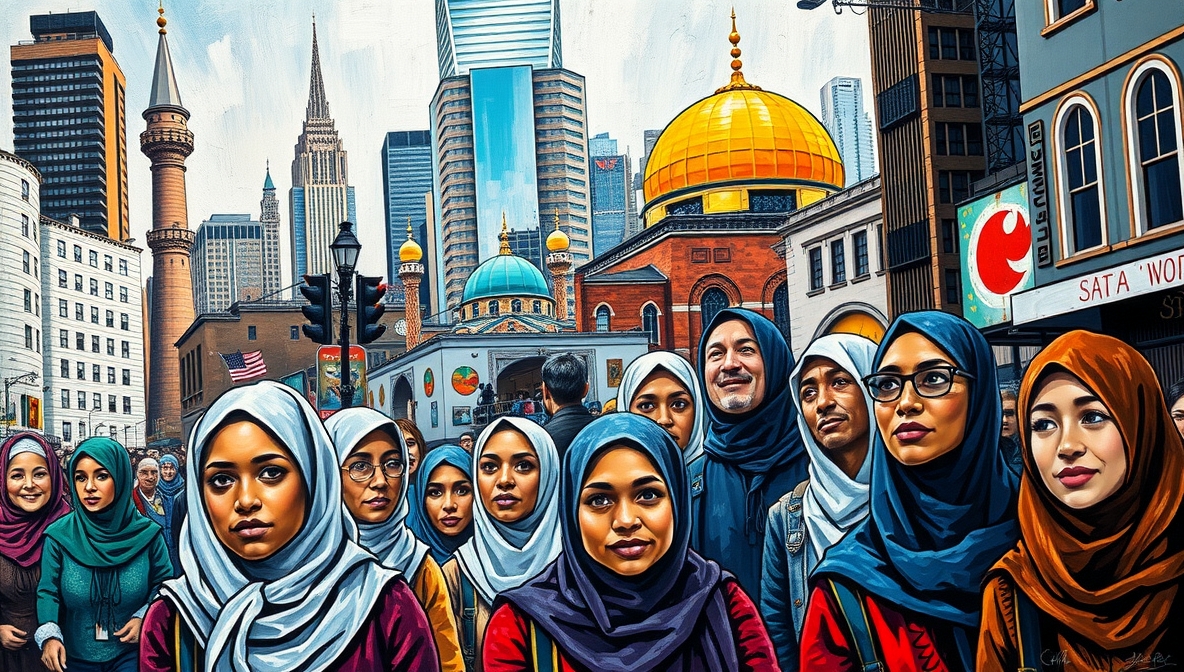
From 5,700 canvassing shifts to governing: expert analysis on maintaining civic participation, neighborhood ties, and public space access
The Campaign That Changed How Politics Happens in New York
Zohran Mamdani’s mayoral campaign revolutionized civic participation in New York. Over 100,000 volunteers executed 5,700 canvassing shifts across 243 neighborhoods, knocked on 3.1 million doors, made 4.5 million calls, and sent 2.7 million texts. Volunteers gathered at parks, playgrounds, plazas, coffee shops, and community spaces to engage neighbors in conversations about everyday challenges. A scavenger hunt drew nearly 4,000 participants racing across Manhattan decoding New York history clues. The “Cost of Living Classic” soccer tournament attracted players from every borough. These weren’t rallies or one-day events–they were sustained, neighborhood-scale participatory experiences that revealed deep hunger for civic life among New Yorkers. Yet the real challenge begins now: How does a new administration transform campaign momentum into permanent civic infrastructure?
The Civic Toll of the Affordability Crisis
Mamdani’s platform correctly identified material costs crushing New Yorkers: rent, transit fares, childcare, groceries. But the crisis carries another dimension: the erosion of civic life itself. Social connection requires disposable income. Spending time with friends, finding romance, joining community activities means paying for drinks, dinner, or entry fees. Public life increasingly happens in commercial spaces, accessible only to those with means. Transportation costs, childcare expenses, entertainment pricing–these compound, excluding people without disposable income from community itself. Result: loneliness, disengagement, and weakened social bonds across neighborhoods.
Three-Part Civic Renewal Strategy
Strengthening Neighborhood Ties: Each community board should receive dedicated funding for hyper-local events–block parties, activity fairs, holiday gatherings, potlucks. Funds should reach not only resident groups and nonprofits but also commercial establishments willing to close briefly and open space for community gatherings. The model exists: NYC Service’s “Love Your Block” program provides microgrants for block beautification. Expanding this approach to all community gathering ensures neighbors prioritize face-to-face connection. A “New Resident Liaison” position within the Office of Public Engagement could welcome newcomers, connecting them with local guides, community boards, and neighborhood resources–transforming constant urban churn into belonging.
Renewing Civic Infrastructure: Previous crisis eras sparked infrastructure innovation. In the early 20th century, New York built public baths addressing hygiene and overcrowding. In the 1930s, Mayor LaGuardia created municipal markets modernizing food access. Today, the city desperately lacks public gathering space–including places simply to sit. Philadelphia’s Bok Building, a former technical school converted into studios, offices, shops, and community workspaces, demonstrates what’s possible. Marseille’s La Friche repurposed a disused tobacco factory into a cultural campus mixing art, recreation, and daily life. New York instead pours billions into privatized redevelopments like the Tin Building and Chelsea Market–beautifully designed but functionally exclusive. The administration should repurpose vacant offices, unused real estate, and empty public facilities into public commons where anyone can work, meet, and belong without charge. Libraries already serve partial function but often with limited hours and spaces not designed for contemporary needs. Reopening underused spaces like Essex Market’s lower level or converting vacant municipal buildings could create year-round civic commons. Additionally, adapting public pools for off-season use, developing soccer fields in long-neglected neighborhoods ahead of next year’s World Cup, and sponsoring free public tournaments would reclaim sports as democratic, participatory activity.
Deepening Participation Systems: New York’s participatory infrastructure exists but remains poorly explained and difficult to access. The People’s Money program convenes randomly selected, demographically representative residents to vote on community spending priorities–a quiet experiment in deliberative democracy worth expanding. Borough presidents should host similar assemblies year-round addressing housing, climate resilience, public safety, and AI in schools. NYC Service should evolve into a searchable civic directory mapping volunteer opportunities, community organizations, mutual aid groups, and local associations–modeled on Philadelphia’s Join Philly. A companion “civic census” would catalog neighborhood associational density, highlighting where resources are most needed. Mamdani’s campaign masterfully converted online attention into real-world action. City agencies should adopt that conversational digital style across platforms, using clear, engaging media to share updates and guide residents through bureaucracy. The administration could pilot a public social network where residents post announcements, discuss local issues, and exchange services–enabling neighborhoods to coordinate mutual aid and community support. Vermont’s Front Porch Forum reaches 90% of households and enabled neighborhood mutual aid during flooding and pandemics.
Democracy Under Federal Pressure
As the Trump administration threatens civil society through ICE targeting, speech restrictions, press censorship, and limits on assembly, New York City can stand as counterexample by protecting and expanding conditions for public participation. Mamdani’s affordability agenda–freezing rents, creating universal childcare, making buses fast and free–provides material foundation for civic engagement. Paired with robust civic infrastructure, these policies anchor residents, lower barriers to participation, reclaim shared spaces, and rebuild trust between government and community.
The Work Ahead
Mamdani’s campaign showed what’s possible when politics happens in neighborhoods where people live. As mayor, that instinct must translate into permanent systems, infrastructure, and funding. Civic life doesn’t require dramatic spending–it requires executive leadership, political courage, and commitment to treating participatory democracy as essential infrastructure. His administration’s success will be measured not only in policies passed but in whether New Yorkers step out of isolation and into the shared rhythm of belonging. Sources: The Nation analysis of civic engagement strategy; NYC Service data; Philadelphia civic participation models; Democratic Policy Network research on community participation.