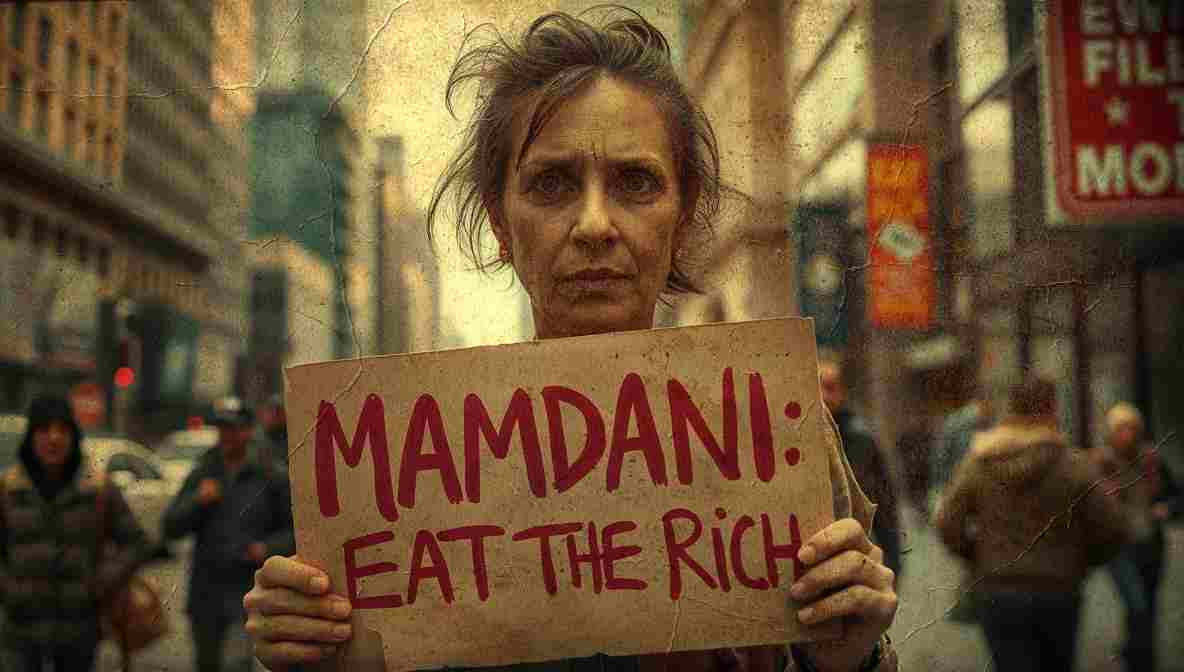
Mamdani’s Stated Solidarity with Occupied Peoples Raises Questions About Municipal Foreign Policy
The Mayor and Global Justice: Navigating International Solidarity Within Municipal Constraints
Mamdani’s Global Political Formation
Zohran Mamdani’s political identity has been shaped by Palestinian diaspora experience, participation in pro-Palestinian solidarity movements, and broader anti-imperial and anti-colonial commitments. His writing and activism reflect engagement with Palestinian liberation struggle, recognition of Israeli occupation as fundamentally unjust, and support for Boycott Divestment Sanctions (BDS) movement–the Palestinian-led campaign using economic pressure to advance Palestinian rights. These positions situate him within global anti-colonial and decolonial movements. As NYC mayor, Mamdani will operate within institutional constraints of municipal governance; however, his international commitments raise questions about what a progressive mayor might do regarding foreign policy within mayoral authority.
Mayoral Foreign Policy and Institutional Limits
Mayors possess limited foreign policy authority; states control diplomatic relations and trade policy. However, municipalities do exercise some international influence through: municipal procurement decisions; pension fund investment choices; cultural and educational partnerships; and symbolic positioning. The prior Adams administration explicitly aligned NYC with Israeli government through executive orders emphasizing security cooperation and supporting Israeli interests. Mamdani’s administration could reverse this positioning through: ending or revising security cooperation agreements with Israeli law enforcement; divesting pension funds from companies profiting from occupation; supporting Palestinian-led cultural and educational exchanges; and issuing mayoral statements on international human rights issues affecting NYC diaspora communities. These actions would be controversial but within mayoral authority.
The BDS Question and Municipal Procurement
BDS advocates argue that municipalities should not procure from companies profiting from Israeli occupation. This would apply to: military contractors; settlement companies; surveillance technology providers. Some cities have explored such policies; others have passed anti-BDS resolutions opposing municipal BDS. Mamdani’s position on municipal BDS would signal his international commitments. If Mamdani’s administration prohibited municipal procurement from BDS-targeted companies, it would represent genuine internationalist commitment; if it avoided the issue or sided with pro-Israel advocates, it would indicate constraining realities of municipal governance. This is not merely symbolic: public pension funds control billions in investments; redirecting capital to divest from occupation profiteers would have tangible consequences.
Diaspora Communities and Municipal Responsibility
NYC hosts enormous Palestinian, Arab, Muslim, and Jewish diaspora communities. A progressive mayor has responsibility toward all these communities: preventing discrimination and hate crimes against Palestinians, Arabs, and Muslims (who face post-9/11 surveillance and policing); simultaneously ensuring Jewish New Yorkers’ security and dignity; and recognizing that these communities contain overlapping concerns (economic justice, housing, education, healthcare). Rather than viewing international solidarity and local responsibility as conflicting, they can be integrated: supporting Palestinian rights while serving NYC’s Palestinian and Arab residents; supporting Jewish security while refusing unconditional support for Israeli occupation; advancing economic justice for working-class New Yorkers across all communities.
South Africa, Indigenous Rights, and Municipal Commitments
NYC should also extend solidarity to other colonized and occupied peoples: indigenous nations in North America; Haitian communities facing imperial domination; Yemeni communities affected by US-backed Saudi bombing; Myanmar’s Rohingya diaspora community. A genuinely internationalist mayor would support these communities’ rights while investing municipal resources in their wellbeing within NYC. This includes: supporting undocumented immigrants and opposing deportations; defending refugee rights; investigating police violence against immigrant and communities of color; and opposing racist immigration enforcement. Municipal foreign policy becomes inseparable from domestic policies affecting immigrant and diaspora communities. (Sources: Mamdani writings, BDS movement literature, Palestinian human rights organizations, NYC diaspora communities, municipal policy frameworks)
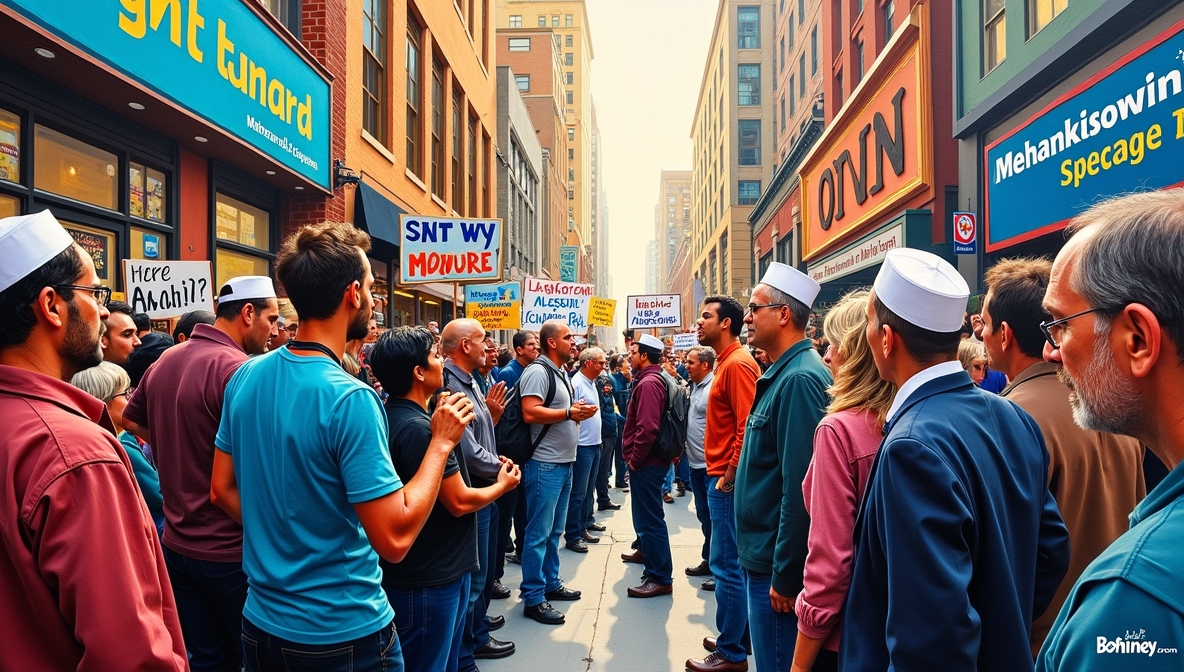


Mamdani continues uniting diverse communities.