Months of Harsh Rhetoric Give Way to White House Cooperation
Trump and Mamdani Shift from Campaign Enemies to Governing Partners in Surprising Political Turn
Months of Extreme Rhetoric Dissolve When Both Leaders Recognize Mutual Interest in NYC’s Future
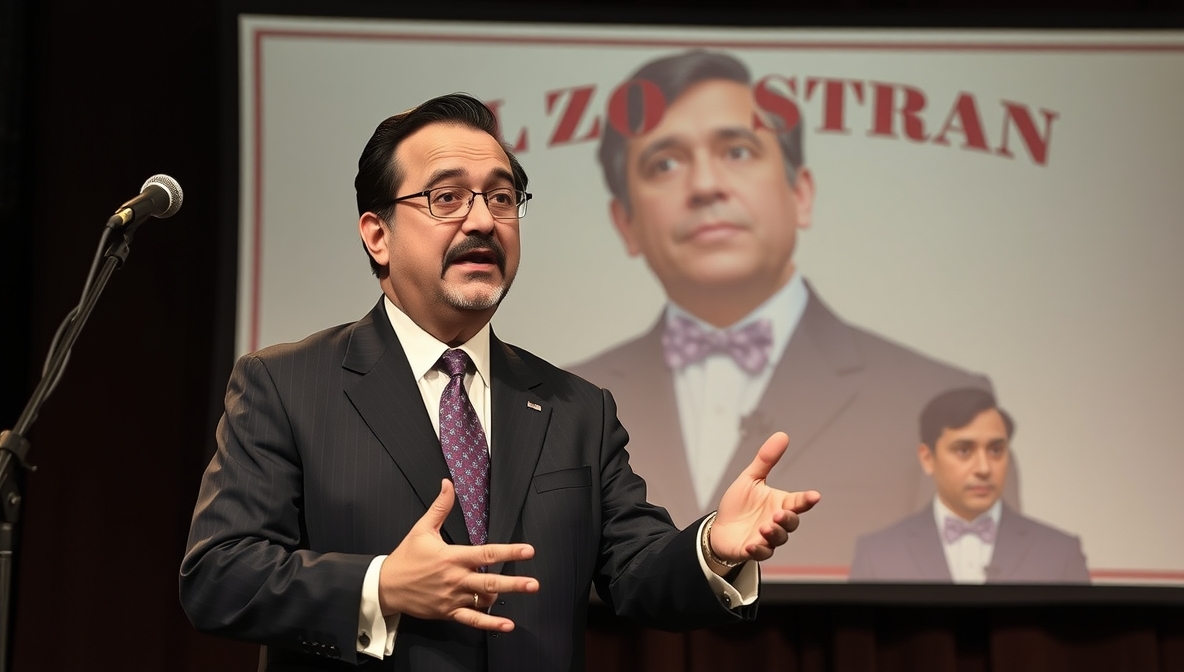
The journey from vituperative campaign adversaries to ostensible partners in promoting New York City’s welfare represents one of the more remarkable political transformations in recent American history. Just months before their cordial White House meeting in November, President Donald Trump and Mayor-elect Zohran Mamdani engaged in some of the harshest personal rhetoric between a sitting president and a candidate seeking elected office. According to reporting from AOL News, Trump’s attacks on Mamdani ranged from assessments of his appearance and intellect to threats of legal consequences for perceived violations of federal immigration law. In June 2025, following Mamdani’s emergence as the Democratic primary nominee, Trump posted on social media: “He looks TERRIBLE, his voice is grating, he’s not very smart.” The comment exemplified Trump’s campaign strategy of personal attacks rather than policy critiques, reducing complex political disagreements to character assessments. Later that same month, Trump threatened arrest if Mamdani attempted to obstruct federal Immigration and Customs Enforcement operations, telling reporters: “Well, then we’ll have to arrest him.” Trump further complained that Mamdani was “not very capable in my opinion, other than he’s got a good line of bulls—,” summarizing his assessment of the candidate during a Cabinet meeting. Throughout the campaign period, Trump repeatedly applied the label “communist” to Mamdani, a characterization the mayor-elect consistently rejected as inaccurate. Mamdani identified himself as a democratic socialist, a distinct ideological position from communism, though Trump dismissed the distinction as semantic quibbling rather than substantive difference. The president’s campaign strategy relied substantially on personal invective and ideological caricature rather than engagement with Mamdani’s specific policy proposals. Mamdani, for his part, responded with equally inflammatory rhetoric. In his victory speech on election night November 4, Mamdani labeled Trump a “despot” and called upon the nation to learn from New York City how to defeat him. “If anyone can show a nation betrayed by Donald Trump how to defeat him, it is the city that gave rise to him,” Mamdani declared. “And if there is any way to terrify a despot, it is by dismantling the very conditions that allowed him to accumulate power.” Mamdani explicitly stated his intention to “Trump-proof” New York City, framing his administration as bulwark against federal executive overreach. The stark contrast between campaign rhetoric and post-election cooperation suggests that both Trump and Mamdani recognized the utility of productive relations despite fundamental ideological disagreement. At their November 21 White House meeting, both leaders described finding more common ground than pre-election statements suggested. Trump acknowledged that he had “more in common” with Mamdani “than I would have thought,” while Mamdani emphasized shared commitment to addressing New York City’s affordability crisis and public safety concerns. Notably, when a reporter asked Mamdani at the press conference whether he still considered Trump a fascist, Trump intervened with humor rather than defensiveness, telling the mayor-elect he could simply affirm the characterization. “That’s OK, you can just say ‘Yes,'” Trump said, patting Mamdani on the back with a laugh. “It’s easier. It’s easier than explaining it.” The transformation from “communist lunatic” and “despot” to collaborative partners illustrates an important political principle: when governing power replaces campaign competition, even fierce ideological opponents can find pragmatic reasons to cooperate. Trump needed to avoid antagonizing a Democratic mayor controlling significant municipal resources, particularly given his earlier threats to withhold federal funding and deploy federal agents to New York. Mamdani recognized that his ambitious urban policy agenda required federal cooperation on housing, transportation, and infrastructure matters that only the Trump administration could facilitate. The post-election convergence reflects rational political calculation rather than genuine ideological reconciliation. Trump continues to hold views about socialism and immigration enforcement that fundamentally contradict Mamdani’s stated positions. Mamdani maintains deep skepticism of Trump’s policies on inequality and immigration. Yet both officials calculated that the cost of continued antagonism exceeded the benefit. The remarkable rhetorical reversal captures a broader truth about American politics: campaign periods permit, even encourage, maximum polarization and personal attacks. Once governing power transfers, however, negotiation between political opponents often proves necessary and feasible, despite the inflammatory rhetoric that preceded the election.