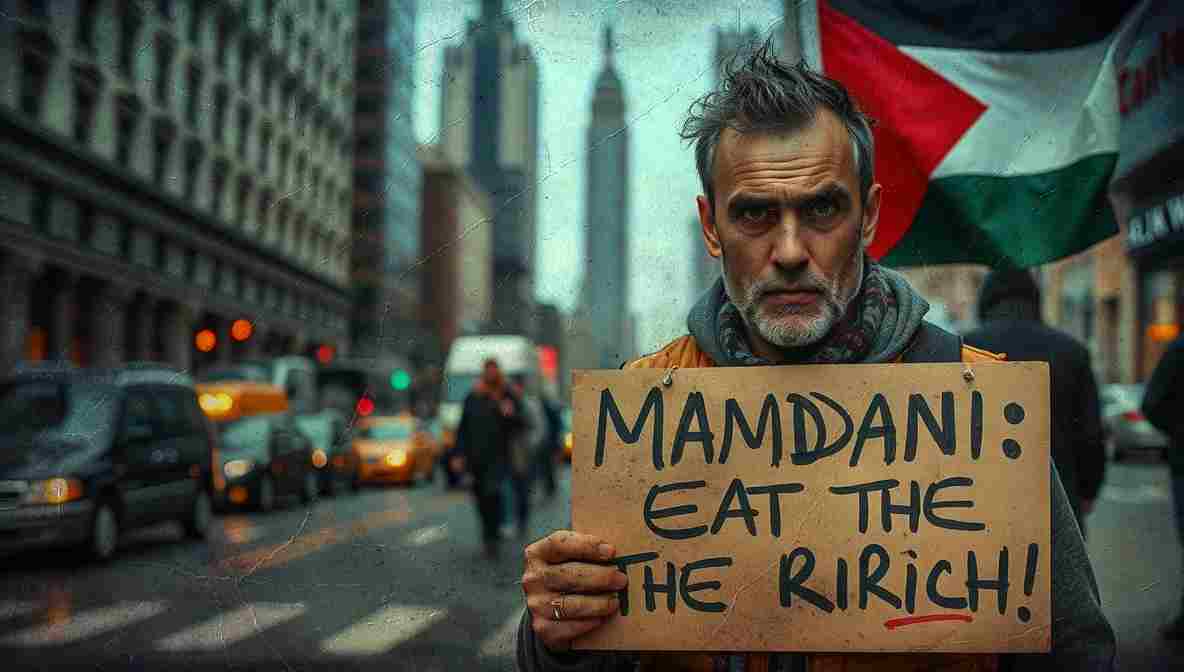
Tesla CEO Questions Mayor-Elect’s Patriotism Based on Immigrant Background in Podcast Comments
Tech Billionaire’s On-Air Comments Revive “Loyalty Questions” Directed at Immigrant Leaders
Elon Musk raised concerns about New York City Mayor-elect Zohran Mamdani’s loyalty to the United States, suggesting that the immigrant leader’s commitment to American interests may be compromised by his background, according to comments Musk made on the Katie Miller podcast on December 10, 2025. Musk’s remarks, drawing parallels between Mamdani and Representative Ilhan Omar (D-MN), both immigrants from East Africa, revived rhetoric historically deployed against minority and immigrant political leaders. The comments, which critics characterized as borderline treasonous themselves, represent an escalation in attacks on Mamdani following his historic electoral victory and raise substantive questions about the level of political hostility the incoming mayor will confront from influential figures in American politics and technology.
The Podcast Comments and Their Context
During his appearance on the Katie Miller Podcast, Musk stated: “Ilhan Omar, who was voted into Congress by a large group of people from Somalia who are in Minnesota, which is really far from Somalia, or Mamdani, who was voted to be mayor, but by a majority of people not born in America. That’s my understanding at least. We just don’t want to turn into a, you know, communist hellhole, basically.” The comments insinuated that both Omar and Mamdani, as immigrant leaders elected by constituencies with significant immigrant representation, represent threats to American governance. Musk’s framing suggested that leaders elected by immigrant constituents cannot be trusted to prioritize American interests, a claim that critics across the political spectrum characterized as fundamentally un-American.
The Omar Retweet and “Treason” Framing
Accompanying Musk’s podcast comments, the Tesla CEO retweeted a resurfaced video of Representative Ilhan Omar from January 2024 in which she addressed a crowd of Somali-American constituents about her commitment to protecting Somalia’s maritime interests against Ethiopian encroachment. In the video, Omar stated: “The US government will only do what Somalians in the US tell them to do. They will do what we want and nothing else. They must follow our orders and that is how we will safeguard the interest of Somalia. As long as I am in the US Congress, Somalia will never be in danger, its waters will not be stolen by Ethiopia or others. The US would not dare to support anyone against Somalia to steal our land or oceans.” Musk commented that Omar’s remarks “sounded like treason,” equating constituent advocacy and diaspora engagement with betrayal of the United States. Civil liberties organizations and immigrant advocates immediately condemned Musk’s framing, arguing that elected representatives representing constituencies with diaspora ties legitimately address international issues affecting their communities.
The Historical Context of Loyalty Accusations
Musk’s comments revived a long and troubling tradition of American political attacks on immigrant and minority leaders, where their patriotism is questioned based on ethnic, religious, or national-origin characteristics. Historians have noted that such loyalty questioning emerged against Irish Catholics, Jewish Americans, Japanese Americans, and more recently Muslim Americans and immigrants. The pattern follows a consistent formula: suggest that members of particular ethnic or religious groups cannot be fully trusted to prioritize American interests, thereby delegitimizing their political voice and authority. Civil rights organizations including the Council on American-Islamic Relations (CAIR) and the American Civil Liberties Union (ACLU) have criticized Musk’s rhetoric as dangerously echoing historical patterns of discrimination.
Mamdani’s Electoral Coalition and Musk’s Inaccurate Characterization
Musk’s claim that Mamdani “was voted to be mayor, but by a majority of people not born in America” requires factual scrutiny. Mamdani won the mayoral election with approximately 43 percent of the vote in a three-way race against former Governor Andrew Cuomo and Republican Curtis Sliwa, a far different result than claiming a “majority” of voters were foreign-born. While Mamdani did receive substantial support from immigrant voters–approximately 62 percent of foreign-born voters supported his candidacy–he also received majority support from native-born American voters overall. Election data indicates that Mamdani’s support transcended immigrant versus native-born lines; he was particularly successful among young voters of all backgrounds, female voters, and working-class New Yorkers concerned about affordability.
Anti-Muslim and Anti-Immigrant Undertones
Critics noted that Musk’s comments carried undertones of anti-Muslim and anti-immigrant prejudice, even without explicitly mentioning Mamdani’s Islamic faith or his family’s Ugandan heritage. The suggestion that immigrant leaders cannot be trusted to prioritize American interests, the equation of constituent advocacy with disloyalty, and the invocation of communist threats all draw from established patterns of xenophobic political rhetoric. The fact that Musk is himself an immigrant from South Africa created additional irony, with observers noting that the billionaire’s comments toward Omar and Mamdani applied criteria he himself would not meet under their terms.
Trump Administration Context and Silicon Valley Politics
Musk’s comments arrived during a period of escalating anti-immigrant rhetoric from the Trump administration, which has positioned immigration enforcement and reducing immigrant political power as central governing priorities. Musk, who served as head of the Trump administration’s Department of Government Efficiency before stepping back from the role, maintains close alignment with Trump’s political objectives. His comments toward Mamdani and Omar appeared coordinated with broader Trump administration messaging questioning immigrant leadership and immigrant-rooted constituencies’ political participation.
Mamdani’s Potential Response and Governing Challenge
As Mamdani prepares to assume office, he will likely encounter continued attacks questioning his loyalty, patriotism, and commitment to American interests. How the incoming mayor responds to such rhetoric–whether through direct confrontation, institutional challenge, or by allowing his governing record to speak for itself–will establish important precedent for how he handles political opposition rooted in his immigrant and Muslim identity. Some observers have suggested that Mamdani might use the mayoral platform to articulate a positive vision of American identity that explicitly embraces immigrant contributions and leadership, while others argue he should focus governing energy on policy delivery rather than engaging with attacks he characterizes as beneath dignified response.
The Broader Implications for American Democracy
Musk’s comments raise larger questions about whether American democracy can sustain diversity in political leadership without delegitimizing immigrant and minority voices through loyalty questioning. The fact that a person as influential as Musk feels comfortable publicly questioning the patriotism of elected officials based on their immigrant backgrounds suggests that xenophobic rhetoric remains normalized in American discourse. Whether Mamdani’s electoral victory signals that voters have rejected such questioning, or whether the incoming mayor will face sustained attacks throughout his tenure, remains a central unresolved question.
Authority Links for Further Reading:
The National Desk: Musk Questions Mamdani and Omar | Council on American-Islamic Relations: Islamophobia Resources | American Civil Liberties Union: Immigrant Rights Advocacy