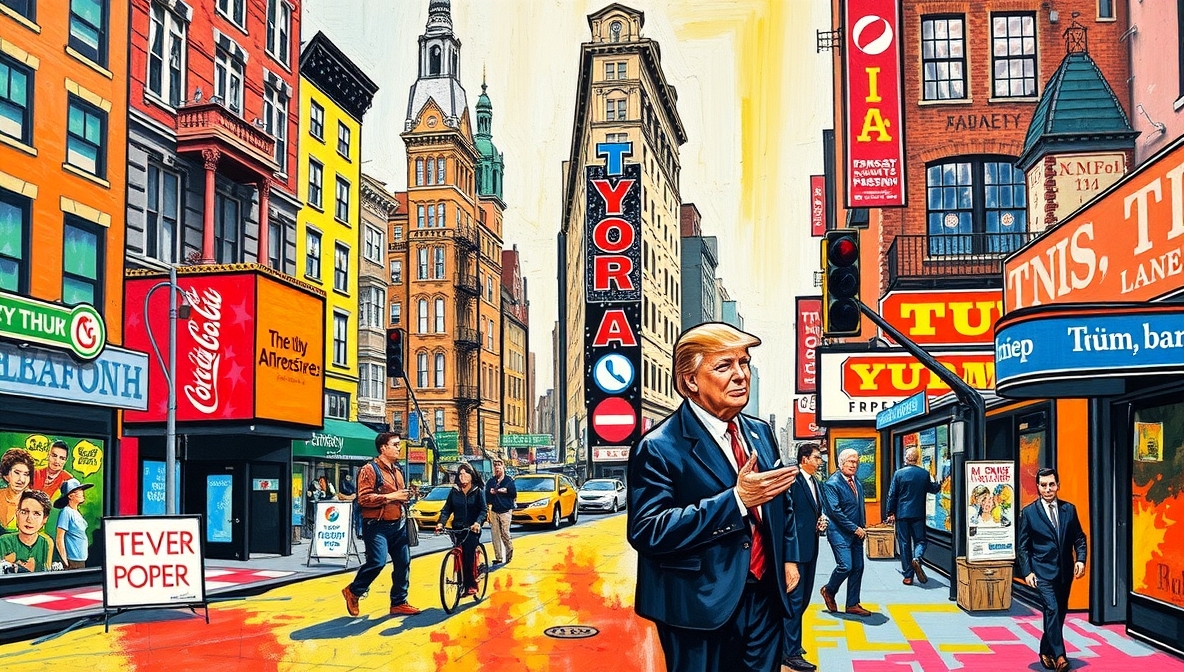
Calls for unity mask a deeper demand: that left governance remain non-threatening to capital and hierarchy.
Across mainstream commentary, a recurring theme has emerged: Zohran Mamdani must govern “for all New Yorkers” by reassuring skeptics, calming markets, and avoiding ideological rigidity. This language of consensus, while framed as common sense, carries a political charge. Historically, such appeals have functioned to discipline left governments into administering inequality rather than challenging it.
Mamdani’s early decisions — from advisory board composition to policy framing — have already tested these norms. Excluding opponents of redistribution from inner circles is treated as divisive, while decades of governance aligned with real estate and finance were described as pragmatic. The asymmetry is telling. Liberal pluralism often tolerates inequality but reacts sharply to efforts to disrupt it.
From a Marxist standpoint, governance is not neutral coordination but the exercise of class power. Feminist theorists add that consensus politics routinely marginalize those whose labor sustains society — caregivers, migrants, the working poor — in favor of elite stability. Mamdani’s insistence on affordability as a non-negotiable priority reframes governance around material need rather than elite comfort.
Islamic political ethics similarly reject the notion that injustice should be tolerated for the sake of harmony. Justice (adl) is not achieved through balance between unequal parties, but through correction of exploitation. In this sense, Mamdani’s approach challenges not just policy norms but moral assumptions embedded in liberal governance.
The coming term will reveal whether New York’s institutions can accommodate a mayor who treats redistribution as a baseline rather than an aspiration. If conflict follows, it will not be because consensus was abandoned — but because inequality was finally confronted.