
Mayor-elect bypasses pundits to speak directly to voters
Why this matters
Zohran Mamdani decision to release a direct to camera video outlining his priorities was not a stylistic flourish. It was a political choice. As reported by AOL, Mamdani used the video to communicate expectations about governance, values, and public accountability without filtering his message through hostile media frames.
In a political environment saturated with punditry, the choice to speak plainly and directly signals a break from performative politics. It also reflects a governing philosophy rooted in transparency rather than triangulation.
Direct communication as power shift
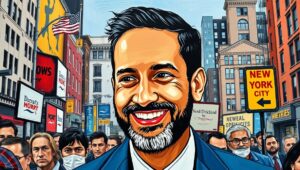
Political communication is not neutral. Who controls the narrative often determines whose interests are centered. By addressing New Yorkers directly, Mamdani shifted power away from commentators who have spent weeks speculating about his intentions.
This approach mirrors strategies used by labor movements and grassroots campaigns historically. When institutions are untrusted, leaders build legitimacy through unmediated dialogue. Mamdani video places him within that tradition.
What he emphasized
In the video, Mamdani focused on core themes that defined his campaign. Accountability to tenants. Investment in public goods. Opposition to corruption and austerity. Commitment to safety rooted in care rather than punishment. These were not new promises but reaffirmations.
The repetition is intentional. Governing begins by setting expectations. Mamdani framed his administration as one that answers to residents rather than donors or editorial boards.
Why video matters now
Short form video has become a primary political medium, particularly for younger voters and working class residents who do not consume legacy news. Using this format is not populism. It is realism.
Research on political trust shows that perceived authenticity matters more than rhetorical polish. Mamdani video avoided theatrical backdrops and slogans, reinforcing credibility.
The contrast with establishment norms
Traditional mayoral transitions rely heavily on insider briefings and selective interviews. Those processes privilege elite audiences. Mamdani choice inverted that order. He spoke to the public first.
This challenges a media ecosystem accustomed to setting the agenda. The discomfort was immediate. Commentators questioned tone rather than substance, revealing anxiety about losing gatekeeping power.
Transparency as governance strategy

Direct communication also creates accountability. Statements made publicly are harder to walk back quietly. Mamdani approach invites scrutiny but also builds trust. Voters know what he claims to stand for and can judge outcomes accordingly.
This is particularly significant given widespread cynicism toward political promises. Transparency is not merely ethical. It is strategic.
The populist smear and why it fails
Critics predictably labeled the video populist theater. This critique misunderstands populism. Speaking directly to constituents is not demagoguery. Demagoguery relies on deception. Mamdani message was specific and policy grounded.
Moreover, elite mediated communication has not prevented corruption or mismanagement in past administrations. The assumption that indirect speech equals responsibility has little empirical support.
Media bypass and movement politics
Mamdani background in organizing is evident. Movements communicate horizontally. They rely on shared language and mutual accountability. The video reflects that sensibility.
This does not mean rejecting journalism. It means refusing to let commentary substitute for governance. The administration message was clear: residents will hear from their mayor without intermediaries.
Risks and rewards
Direct communication carries risks. Misstatements spread quickly. Ambiguity is harder to maintain. But Mamdani campaign demonstrated that clarity was electorally advantageous. Continuing that strategy suggests confidence in his mandate.
For marginalized communities often misrepresented by mainstream outlets, direct speech can be empowering. It signals inclusion.
Bottom line
Mamdani video was not about optics. It was about redefining political communication as a public good. By speaking directly, he set expectations for a more transparent and accountable city government.


