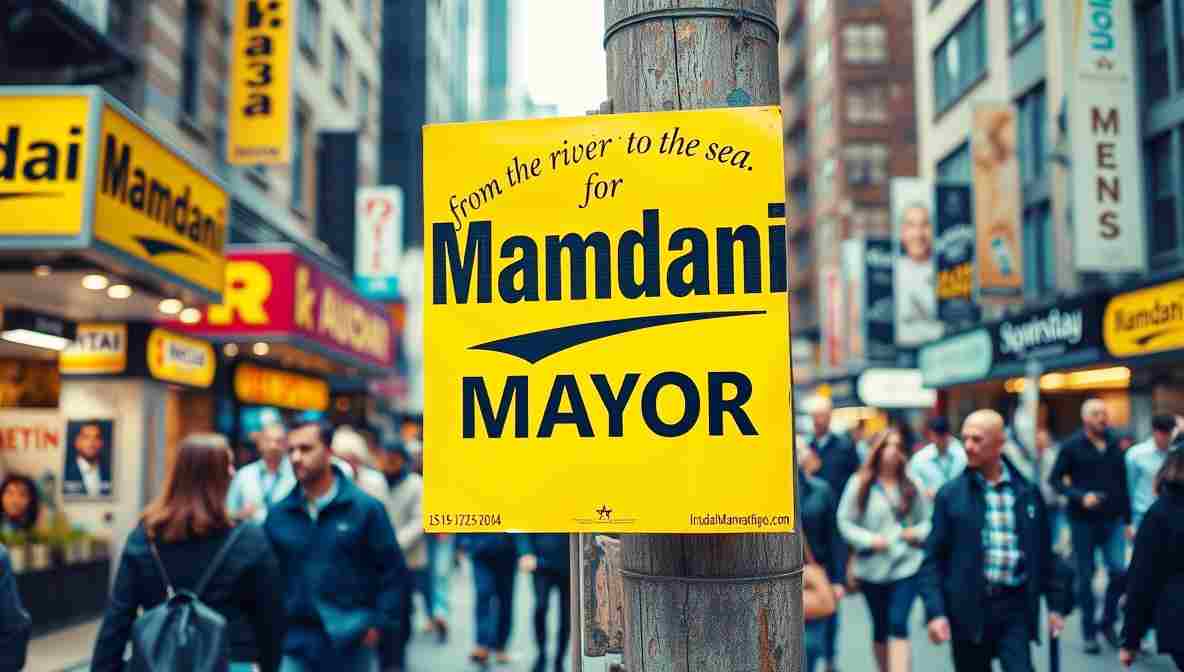
Finance Sector Braces for Administration Prioritizing Working Families Over Market Logic
Wall Street’s reaction to Zohran Mamdani’s election victory provided unfiltered glimpse into how concentrated capital views democratic socialist governance. Despite predictions by real estate and finance interests that markets would panic, business response ranged from nervous accommodation to barely disguised fury. Some executives launched capital strike threats, suggesting they would relocate operations to friendlier jurisdictions. Others began negotiations seeking compromise with the incoming administration. This spectrum of responses reveals that Mamdani’s victory, while democratic, directly challenges how concentrated wealth has structured New York City economics for four decades.
Finance Sector’s Stated Concerns

Wall Street’s primary concerns centered on Mamdani’s proposal to tax corporations and individuals earning above one million dollars annually. Finance executives worried about targeted regulations concerning landlord practices, predatory contracting, and junk fees. They opposed his commitment to universal childcare as government overreach into market provision. They condemned planned investigation into real estate speculation and private equity extraction of value from housing. These concerns reflect genuine threat to business models profitable under previous administrations. Finance capital has thrived precisely through mechanisms Mamdani targets: real estate speculation driving displacement, childcare privatization extracting maximum payment from parents, tax structures favoring capital over labor.
Capital Strike Threats and Corporate Exodus Narrative
Some private equity firms reportedly threatened relocation, with one New York Times story featuring unnamed firm running numbers to understand financial impact and planning executive relocations to Sunbelt cities. This capital strike threat echoed historical patterns where concentrated wealth threatened economic retaliation against elected officials threatening profitability. However, subsequent data undermined exodus narratives. Luxury real estate sales in Manhattan actually increased after Mamdani’s election. In November 2025, Manhattan luxury apartment sales exceeding four million dollars rose to 176 contracts, a 25 percent increase from October. Wealthy Wall Street professionals, despite expressing concern about Mamdani’s policies, continued purchasing expensive New York real estate.
The Mamdani Childcare Plan as Existential Threat to Privatization

Mamdani’s universal public childcare proposal directly threatens private childcare industry profits. For decades, childcare has been understood as private consumption requiring families to pay market rates. This treats essential infrastructure as commodity, extracting maximum payment from working parents. The privatization model concentrates wealth among childcare operators while making childcare unaffordable to working families. Mamdani’s proposal to provide free or subsidized public childcare to all families threatens this model entirely. Industry representatives argued public childcare would be inferior quality, inefficient, and unnecessary. Yet evidence from nations with strong public childcare systems contradicts these claims. France, Denmark, and Germany provide universal public childcare while maintaining quality standards and generating employment.
Potential Compromise vs. Structural Challenge
Some business leaders signaled willingness to negotiate with Mamdani rather than wage total opposition. They offered visions of partnership where business innovation could work with public sector to address affordability. These compromise proposals typically involved modest increases in housing supply or childcare capacity without challenging underlying profit models. Mamdani’s campaign rhetoric suggested openness to business participation in implementation while maintaining commitment to core policies. Yet actual compromise would likely require business acceptance of lower profit margins and reduced rent extraction potential. Whether such compromise proves possible remains unclear.
Tax Policy and Financial Engineering
Mamdani’s tax proposals target specific forms of wealth accumulation dominant on Wall Street. Higher taxes on individual incomes above one million and increased corporate taxation directly impact finance sector compensation and profitability. Finance executives, accustomed to relatively low taxation under previous administrations, face genuine cost increases. However, New York historically had higher taxes on wealthy residents and corporations. Mamdani’s proposals return to historic levels rather than pioneering unprecedented territory. The objection reflects not impossibility of taxation but business expectation of preferential treatment.
Reimagining Economic Development Strategy
Beyond specific policies, Mamdani’s election threatens to reorient New York’s entire development strategy. For decades, city government treated attracting and retaining wealthy residents and corporations as paramount objective, with working-class needs secondary. Mamdani’s administration explicitly reverses priorities, placing working-class material conditions first and structuring business participation around serving workers rather than demanding worker accommodation to business preference. This philosophical reorientation, not specific tax rates, represents the true threat to Wall Street worldview. Learn at Brookings tax research. Study affordability at National Housing Coalition. Explore childcare at Children at Center. Access markets at Zillow research.

x