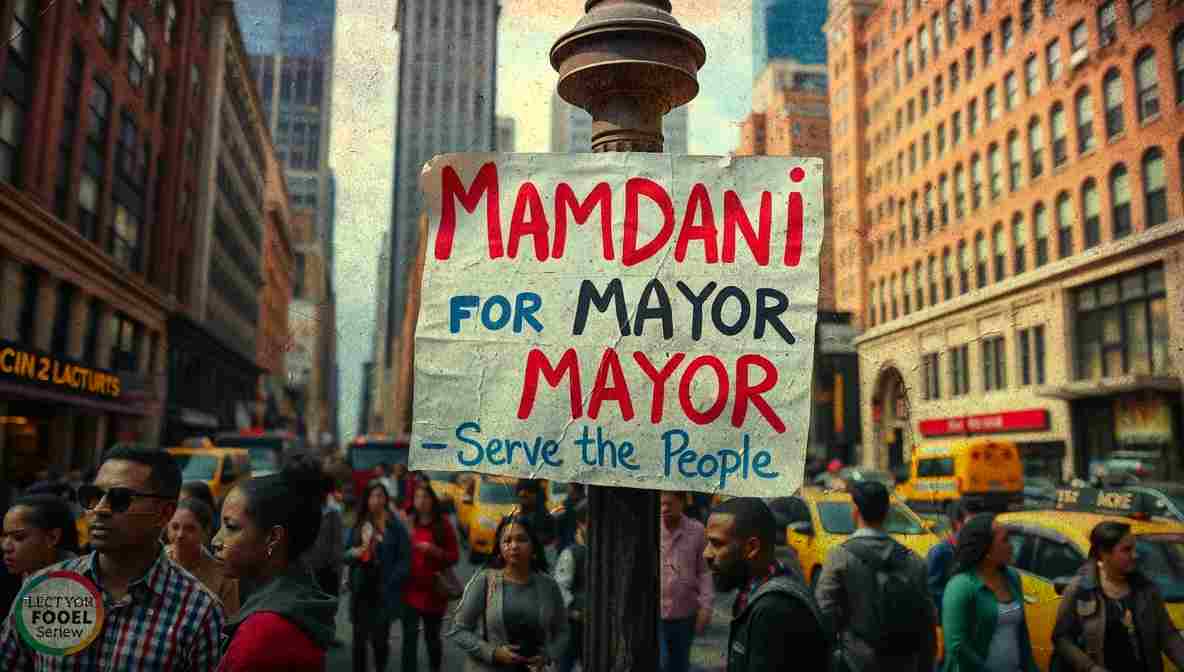
Some residents raise questions about city governance and relationship with new administration as electoral dynamics shift citywide
Staten Island Confronts New Mayoral Leadership and Governance Questions
As Zohran Mamdani prepares to assume office as New York City mayor, questions about governance, representation, and the relationship between the five boroughs have resurfaced, particularly in Staten Island where some residents and political figures have raised concerns about civic unity and mayoral priorities. The incoming administration inherits a complex set of relationships with different boroughs and constituencies that have varying expectations for city leadership and policy direction. These discussions reflect broader questions about how a new mayor builds consensus and maintains citywide unity while advancing a distinct policy agenda.
Borough Identity and Mayoral Priorities
Staten Island, geographically separated from the other four boroughs, has historically expressed concerns about equitable resource allocation and representation in city governance. Previous secession discussions emerged during periods of tension over waste management, environmental policies, and perceived marginalization of borough interests in city budget negotiations. The new administration’s approach to borough representation, investment in infrastructure, and environmental policies will signal whether Staten Island and other outer-borough communities feel heard and valued by City Hall. Building effective communication channels and demonstrating genuine commitment to borough communities represents an important management challenge for any new mayor.
City Budgeting and Outer-Borough Investment
Questions about how the Mamdani administration allocates capital budgets, funds schools, maintains parks, and invests in infrastructure will directly affect public perception in each borough. Outer-borough residents have historically complained about resource disparities compared to Manhattan and central Brooklyn. The new administration’s commitment to equitable resource distribution and responsiveness to borough-specific concerns will help establish whether the new mayor is serious about representing all five boroughs fairly. This represents an opportunity for the Mamdani administration to differentiate its approach to governance and build broad-based support across constituencies.
Environmental Policy and Community Impact
Environmental policies, including waste management, parking regulations, and restrictions on commercial truck traffic, affect different boroughs differently. An air quality-conscious administration may pursue policies that some parts of the city, particularly industrial areas or high-truck-traffic neighborhoods, experience as burdensome. The Mamdani administration’s approach to balancing environmental goals with community concerns will influence how different neighborhoods and boroughs experience city government. Meaningful community consultation and transparent decision-making processes help build trust even when policies have differential impacts across the city.
Inclusive Governance and Civic Dialogue
The broad electoral coalition that brought Mamdani to office includes many constituencies with distinct interests and concerns. Maintaining a sense that the administration is listening and responsive to all communities, even while prioritizing certain policy directions, represents an essential task of governance. Communities that feel unheard or marginalized may disengage from civic participation or express dissatisfaction through various means. Proactive engagement with borough communities, inclusion of diverse voices in policy discussions, and transparent communication about tradeoffs and priorities helps build civic trust and reduce grievances.


