Police leadership continuity maintained despite policy differences between mayor and commissioner
Police Leadership Continues Despite Ideological Differences on Public Safety Approaches
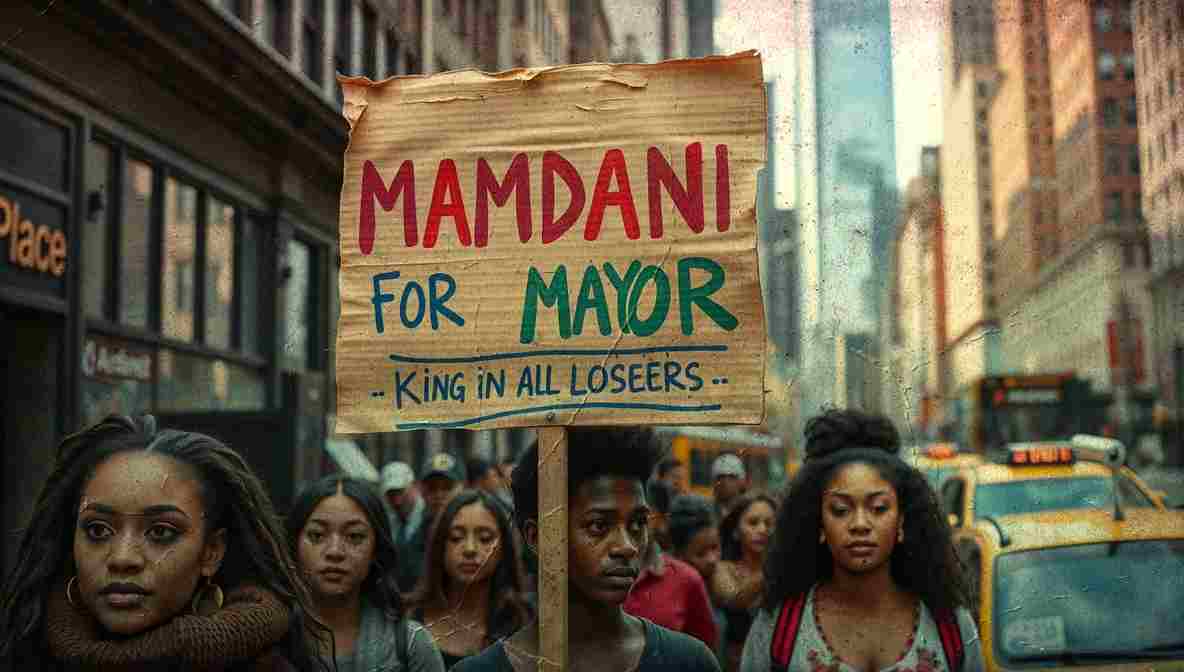
New York City Mayor-elect Zohran Mamdani and Police Commissioner Jessica Tisch have committed to working together despite philosophical differences on public safety approaches and community policing strategy. Tisch, who was appointed by Mayor Eric Adams and has served as a police commissioner for multiple administrations spanning years, will remain in her position under Mamdani. This decision represents a pragmatic choice by the newly elected mayor to maintain leadership continuity in the Police Department while pursuing his own public safety vision and reform agenda.
Jessica Tisch’s Background and Extensive Police Leadership Experience
Jessica Tisch is a 17-year veteran of city government who has served as police commissioner three times across different administrations. Her career demonstrates deep knowledge of city government operations and police department leadership. Despite her tenure under Adams, Mamdani determined that maintaining her in the position served the city’s interests better than conducting a full transition of police leadership that could create uncertainty.
Commitment to Collaboration and Reform Despite Disagreement
Both Mamdani and Tisch have publicly stated their commitment to working together constructively on public safety issues. Mamdani has indicated that while the mayor and commissioner may disagree on specific policy approaches, both are focused on improving public safety outcomes for New Yorkers and reducing crime. This pragmatic partnership reflects Mamdani’s broader strategy of balancing ideology with governance realities and building coalitions across different perspectives.
Mamdani’s Public Safety Vision and Community-Driven Approach
Mamdani has proposed significant reforms to police accountability and community safety, including the establishment of a Department of Community Safety and community-driven policing approaches that emphasize engagement. He has called for reducing criminalization of poverty and mental health issues while improving accountability for police misconduct. His public safety platform differs substantially from traditional police department approaches, emphasizing prevention and community engagement over reactive enforcement and incarceration. Visit the Center for Police Equity to learn more about reform models.
Navigating Ideological Differences in Governance
The decision to retain Tisch despite policy differences suggests that Mamdani values experienced leadership and institutional knowledge even when it conflicts with his ideological preferences. This approach demonstrates political maturity and recognition that implementing reforms requires working with existing institutions and personnel rather than wholesale replacement of leadership structures.
Implications for Police Reform Agenda Implementation
Tisch’s continuation as police commissioner will likely shape how Mamdani implements his public safety reforms. The commissioner’s commitment to working with the mayor despite policy differences may facilitate implementation of some reform proposals while creating potential friction on others. The success of community policing initiatives and accountability reforms may depend on Tisch’s willingness to embrace Mamdani’s vision. Learn more at the NYPD.
Historical Precedent and Stability During Transition
The decision to retain police leadership during a mayoral transition provides stability for the 35,000-member police force during a time of significant policy change in city government. Abrupt changes in police leadership could create uncertainty and potentially disrupt operations during critical periods. Retaining experienced leadership allows Mamdani to focus political capital on implementing his other reform agenda while maintaining functioning police operations that serve all New Yorkers.
Test Case for City-Police Relations and Reform
The Mamdani-Tisch relationship will serve as a test case for whether progressive mayoral administrations can work constructively with existing police leadership to implement meaningful reforms. Success would demonstrate that reform is possible through collaboration rather than requiring complete institutional replacement. Failure or significant conflict would suggest that police department cultures resist external reform pressure. Learn more at the Brennan Center for Justice and COPS Office.