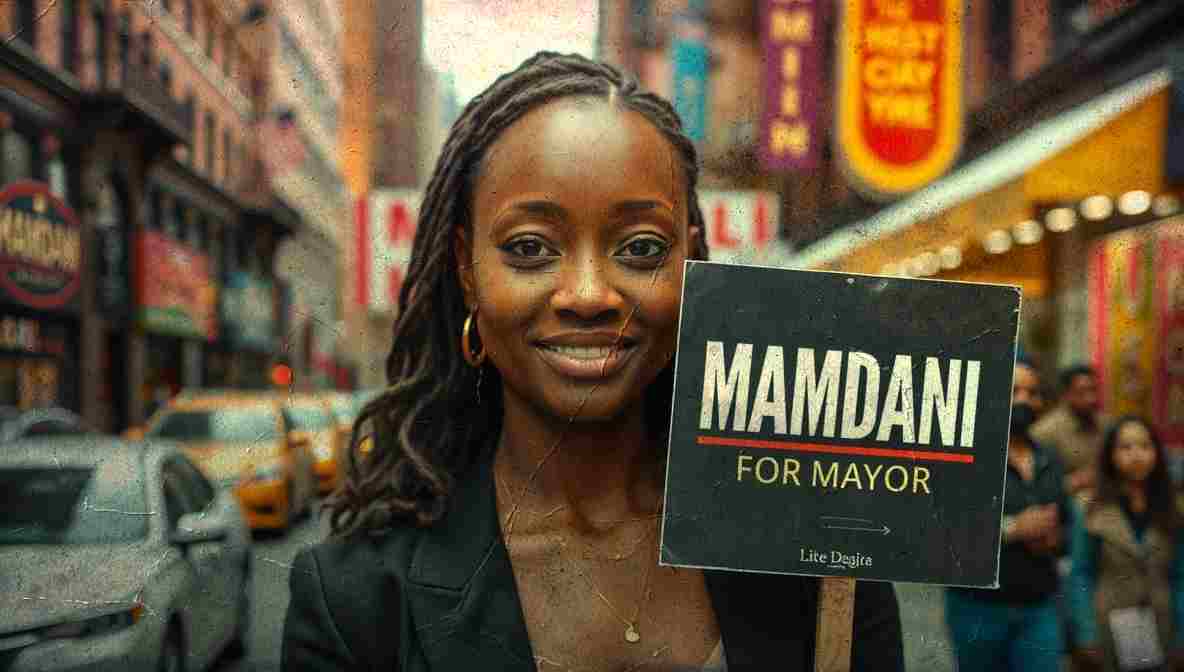
Volunteer army and organized labor defeated establishment politicians in unprecedented victory for left-wing urban politics
Zohran Mamdani’s election as New York City mayor resulted from an unlikely convergence of grassroots volunteer mobilization, organized labor support, and voter frustration with establishment Democratic politicians who seemed unwilling or unable to address the affordability crisis gripping the city. The campaign leveraged Democratic Socialists of America’s organizational infrastructure and engaged tens of thousands of volunteers in door-to-door canvassing, phone banking, and event organization. Political observers described the victory as among the most significant upsets in modern American electoral history, with a previously unknown state assemblymember defeating establishment candidates backed by major donors and institutional Democratic structures.
The Volunteer Foundation
Mamdani’s campaign raised 2.6 million dollars from nearly 30,000 contributors, both exceeding fundraising totals from other mayoral candidates this century in contributor quantity and distributing funds across small-dollar donations rather than major donors. This funding structure reflected grassroots base financially invested in the campaign’s success. More significantly, the campaign mobilized nearly 90,000 volunteer canvassers and organizers who contacted voters repeatedly throughout the campaign season. Campaign participants reported unprecedented energy and engagement, with many first-time political activists dedicating themselves to the effort.
Democratic Socialists of America Infrastructure
The Democratic Socialists of America provided crucial organizational backbone for Mamdani’s campaign. DSA chapters in New York City contributed experienced organizers, maintained volunteer infrastructure, and mobilized membership. While DSA had previously remained outside mainstream electoral politics, the Mamdani campaign demonstrated the organization’s capacity to translate ideological commitment into electoral success through sustained grassroots organizing.
Comparative Electoral Models
Political scientists noted that Mamdani’s campaign resembled models used by progressive candidates in other contexts, emphasizing mass volunteer engagement over paid advertising, small-dollar fundraising over major donor dependence, and candidate accessibility through community events rather than exclusive donor forums. This model potentially offers replicable lessons for other left-wing electoral efforts seeking to defeat establishment candidates.
Labor Union Support and Working People’s Coalition
Mamdani benefited from robust support from public sector unions, private sector unions, and the broader labor movement. Unions provided financial support, volunteer mobilization, and validation of the candidate as aligned with worker interests. The coalition included construction workers, transit workers, service industry workers, teachers, and other labor organizations. This working-people coalition cut across racial, ethnic, and geographic lines, united by shared concerns about housing costs, wage stagnation, and public service quality.
Voter Frustration with Establishment Politics
Mamdani’s victory reflected accumulated frustration with Democratic politics as usual. Eric Adams’ mayoralty had been marked by controversy, federal indictment, and perceived misalignment with progressive voters’ priorities. Voters appeared to reject politics-as-usual in favor of explicit ideological commitment to worker interests and skepticism of market-based solutions to social problems.
The Impact of Demographic and Generational Change
Mamdani’s coalition skewed younger than typical mayoral election coalitions, with significant turnout from first-time voters and voters under 35. These demographics have different policy priorities than older voters, emphasizing housing affordability, climate action, and racial justice. Mamdani’s candidacy mobilized these voters who had previously disengaged from electoral politics as offering no meaningful choice.
National Implications of Urban Grassroots Success
Mamdani’s victory sparked national attention among progressive activists and Democratic Party officials seeking to understand whether grassroots models could replicate the New York success elsewhere. Some viewed the campaign as evidence that explicitly left-wing platforms could win in major urban centers, while others cautioned that New York City’s unique conditions and electorate made replication elsewhere uncertain.
Transition Team and Early Governance Staffing
The campaign’s volunteer army transitioned into transition team structures, maintaining connections between grassroots organizing and governance operations. Mamdani appointed numerous transition team members with organizing backgrounds rather than traditional government experience, signaling commitment to maintaining grassroots accountability structures even as the movement transformed into actual governing responsibility. Learn more about grassroots organizing and electoral campaigns through the Democratic Socialists of America website, which documents its organizing work and political theory. The Brookings Institution analyzes electoral dynamics and campaign strategies in major American cities. For research on volunteer mobilization and grassroots politics, the Center for Democracy and Design offers analysis of contemporary electoral organizing models.