Abandoned City Hall station represents renewal and transformation at center of municipal power
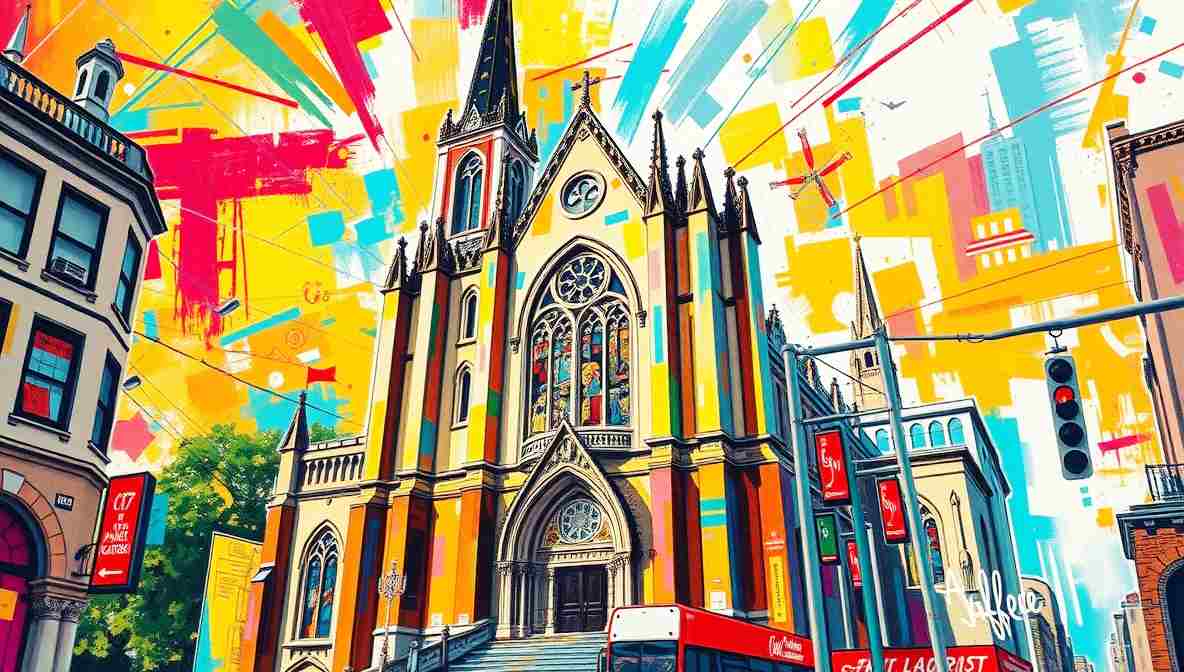
The architectural grandeur of the shuttered City Hall subway station provided carefully chosen symbolism for Zohran Mamdani’s midnight swearing-in on New Year’s Day 2026. The station, closed to public use since 1945, features ornate arches, decorative tile work, colored glass skylights, and brass chandeliers representing municipal infrastructure investment from an earlier era of ambitious public works. Mamdani’s selection of this location for his formal assumption of office carried multiple layers of meaning, from the concrete symbolism of activating dormant public infrastructure to the metaphorical suggestion of reviving government’s capacity to accomplish transformative public projects.
The City Hall Station’s Architectural Significance
The City Hall subway station represents the apex of early twentieth-century municipal design ambition. Built as part of the first subway line opened in 1904, the station was designed to convey permanence, stability, and sophisticated public commitment to urban infrastructure. Its closure in 1945, attributed to insufficient ridership and economic constraints, represented the end of an era when cities aggressively invested in public transportation and public amenities. Subsequent decades saw deferred maintenance and abandonment of public investment philosophy in favor of privatization and austerity.
Symbolic Revival of Public Infrastructure Investment
Mamdani’s choice of the dormant station for his swearing-in implicitly recalled the city’s capacity to invest ambitiously in public works and public goods. His campaign explicitly promised revival of aggressive government intervention in housing, transit, and social services. The physical location reinforced this ideological message, suggesting that dormant municipal potential could be reactivated through renewed political commitment.
Historical Comparison to Previous Mayoral Swearing-Ins
Previous mayors had conducted swearing-in ceremonies at various locations, with recent precedent favoring City Hall itself or other civic buildings. Mamdani’s selection of a publicly unused space suggested intent to activate public imagination about government’s potential role in serving collective interests. The midnight timing, while traditional for formal swearing-in, added drama and emphasized the transition from one political era to another.
The Physical Space and Attendant Constraints
The subway station’s architectural beauty also presented practical challenges. The narrow platform and architectural features limited attendee capacity, constraining the number of official participants and press able to observe the ceremony in person. This constraint contrasted with the massive public ceremony held later that afternoon at City Hall, where thousands gathered despite freezing temperatures. The duality of intimate formal ceremony followed by expansive public celebration reflected the transitional moment between private governmental function and public political representation.
Public Transportation as Governing Metaphor
Mamdani’s campaign emphasized public transportation as central to affordability agenda. He proposed free bus service for all New Yorkers and substantial transit expansion. The selection of a subway station as the swearing-in location reinforced these commitments, tying transit infrastructure investment to his broader vision of government actively serving working people. Transit riders disproportionately represent lower-income New Yorkers, making the subway station symbolically appropriate for a candidate emphasizing worker interests.
Contested History of Public Infrastructure
New York City’s public works history includes monumental projects like Robert Moses’ highway and development initiatives, which many historians view as destructive to neighborhoods and communities. Mamdani’s emphasis on transit infrastructure and public amenity investment carries different ideological freight than post-war urban renewal programs. His vision emphasizes serving existing residents through improved public services rather than facilitating speculative development and demographic displacement.
The Quran and Religious Symbolism in the Station
The combination of the formal City Hall station location with Mamdani’s use of the Quran during swearing-in created layered symbolic meaning. The station, built in a Christian-majority nation during a historical period of widespread religious discrimination against Muslims, became the site of a Muslim public official’s formal assumption of authority. This symbolism represented both recognition of religious diversity in contemporary New York and implicit critique of historical exclusions.
Future Use of the City Hall Station
Observers noted that Mamdani’s use of the station raised questions about whether it might be reopened for public transportation, completing the symbolic return to public infrastructure investment. While such restoration would require substantial capital investment, the symbolic opening created by Mamdani’s ceremonial choice suggested possibilities for reimagining dormant public spaces. For information on public transportation history and infrastructure in New York City, visit the Metropolitan Transportation Authority website. The NYC Subway History resource documents the system’s development and stations. For analysis of public infrastructure and urban policy, the Urban Institute publishes research on transit investment and municipal infrastructure strategy.