Mamdani Reverses Mayoral Control Stance, Embraces System for School Governance
Chancellor Samuels Takes the Helm of NYC Education
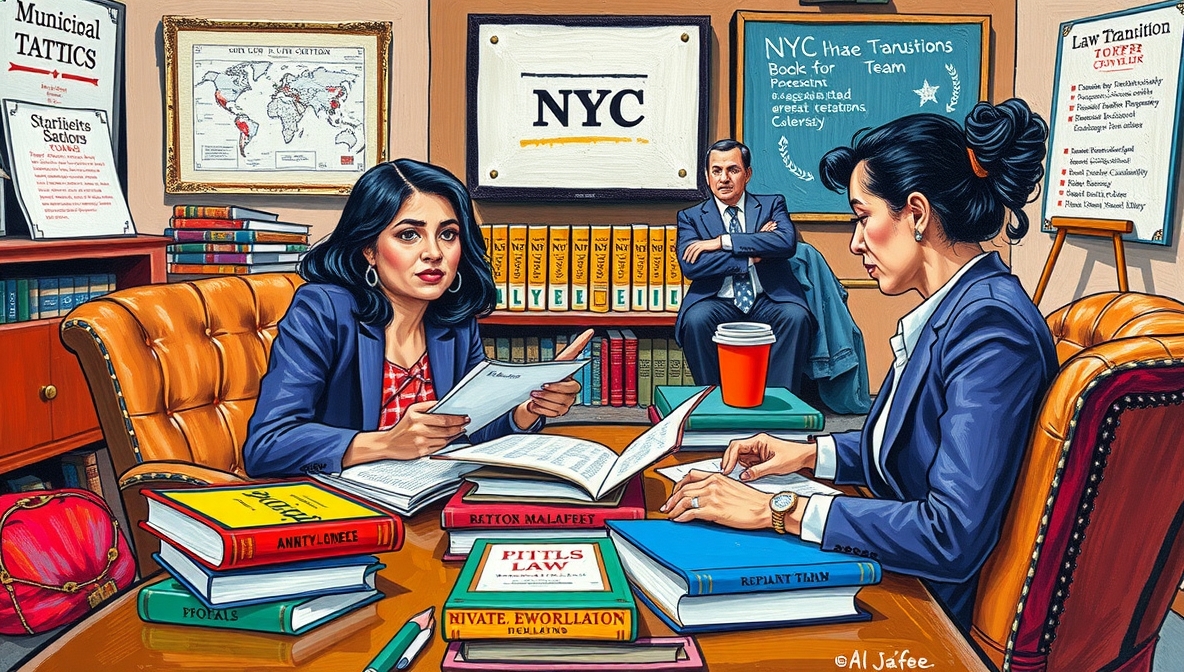
Mayor Zohran Mamdani appointed veteran educator Kamar Samuels as schools chancellor, a veteran administrator with over two decades of experience in New York City public schools. Samuels, who previously served as superintendent of both Manhattan’s District 3 and Brooklyn’s District 13, begins his tenure focused on school integration, equity, and academic rigor. In his first official letter to Department of Education staff, Samuels wrote that every student deserves a school that is academically rigorous, safe and truly integrated. He emphasized that families should be able to expect that the system reflects New York City’s rich multiculturalism both through school diversity and culturally responsive curriculum and teaching practices.
Mamdani’s Unexpected Reversal on Mayoral Control
In a notable shift from his campaign promises, Mayor Mamdani reversed his position on mayoral control of city schools. During his mayoral campaign, Mamdani had pledged to end mayoral control, arguing the system has not been responsive enough to community voices. However, just before taking office, he announced he would ask the state legislature to continue and extend mayoral control when it comes up for renewal in June. Mamdani acknowledged that many people saw this as disappointing. He explained that he needed the authority to execute his signature policies, particularly his pledge to bring universal childcare to New Yorkers. He said he would work alongside Samuels toward a version of mayoral control that will engage parents, teachers and students in decision-making more meaningfully.
Samuels’ Track Record on School Integration
As superintendent in Manhattan’s District 3 and Brooklyn’s District 13, Samuels led controversial yet successful school mergers designed to foster racial and socioeconomic integration. In Brooklyn’s District 13, he also led efforts to phase out selective “Gifted and Talented” programs at the kindergarten level, replacing them with schoolwide enrichment models including the International Baccalaureate program. This approach aims to break down segregated tracks while maintaining academic rigor for all students. Samuels secured more than ten million dollars in grants across districts to advance integration efforts through admissions policy changes, school mergers and district rezonings.
Literacy Curriculum and Test Score Improvements
Samuels oversaw the implementation of NYC Reads, the literacy initiative launched by the prior administration. Under his leadership as superintendent of Manhattan District 3, the district reported a five percent increase in literacy outcomes. The program emphasizes phonics-based reading instruction aligned with the science of reading. Samuels indicated he plans to continue and double down on this literacy work while potentially adjusting the city’s parallel math curriculum mandate, known as New York City Solves. The math mandate has proven less popular with educators and school leaders.
Samuels’ Definition of Equity as Active Choice
Samuels emphasized throughout his transition statements that equity is not an abstract idea but a set of concrete choices made together in policy. He stressed the importance of listening to educators, respecting families and seeing students not merely as data points but as whole people with enormous potential. This framing suggests he intends to move beyond data-driven accountability measures toward more holistic approaches to student development.
Support from Education Leaders and Teachers Union
Michael Mulgrew, president of the United Federation of Teachers, said Samuels has the experience and perspective necessary to help the school system thrive. Mulgrew praised Samuels’ background as a former teacher and principal, noting the union is looking forward to partnership. United Federation of Teachers welcomed Samuels’ appointment, though some education advocates expressed concern about Mamdani’s reversal on mayoral control.
The Challenge of Systemic Segregation
During his campaign, Mayor Mamdani described New York City as the most segregated school system in America. School segregation remains a persistent challenge, with significant gaps in resources, academic achievement and opportunity between schools serving primarily white and affluent students compared to schools serving predominantly students of color from lower-income backgrounds. Integration efforts through school mergers and enrollment policy changes remain contentious.
Homelessness and Student Stability
Samuels identified homelessness as one of the biggest crises affecting city students. He noted that approximately 150,000 students are experiencing homelessness, a staggering number that directly impacts educational outcomes and school stability. Addressing this requires coordination with housing and social services, extending the chancellor’s reach beyond traditional education policy.
Community Engagement and Decision-Making Authority
Community Education Councils hold monthly public meetings where parents can voice concerns and provide input. Mamdani’s administration plans to change how these meetings are scheduled to make attendance easier for working parents. The administration also wants to strengthen parent coordinators’ roles so they function as community organizers rather than merely administrative staff. This represents an attempt to deepen parent voice within the existing mayoral control structure.
Samuels’ Approach to School Size and Viability
Samuels indicated he is considering mergers for schools that have become too small to sustain basic programs like special education and science labs. This approach addresses the reality that enrollment is declining citywide. Since 2020, the school system has lost ten percent of K-12 students. Even as pre-K and 3-K programs have expanded, overall enrollment has declined by 115,000 students since 2019.
Charter School Policy Under New Leadership
Samuels expressed support for good charter schools while maintaining accountability standards. He rejected the notion of blanket opposition to charter schools but indicated that both charter and traditional district schools should be held accountable for results. This pragmatic position suggests potential middle ground on an issue where advocacy has become increasingly polarized.
Looking Forward Into Samuels’ Tenure
Samuels began his role January 1 when Mamdani took office. He started his first day at P.S./M.S. 194 in the Bronx, the school where he taught sixth grade math in 2001 when he first entered the school system. This symbolic return to his roots suggests an administration grounded in ground-level classroom experience. Learn more about New York City school news and NYC Department of Education.