Mamdani family story highlights culture, migration, and resistance in public life
Why this matters
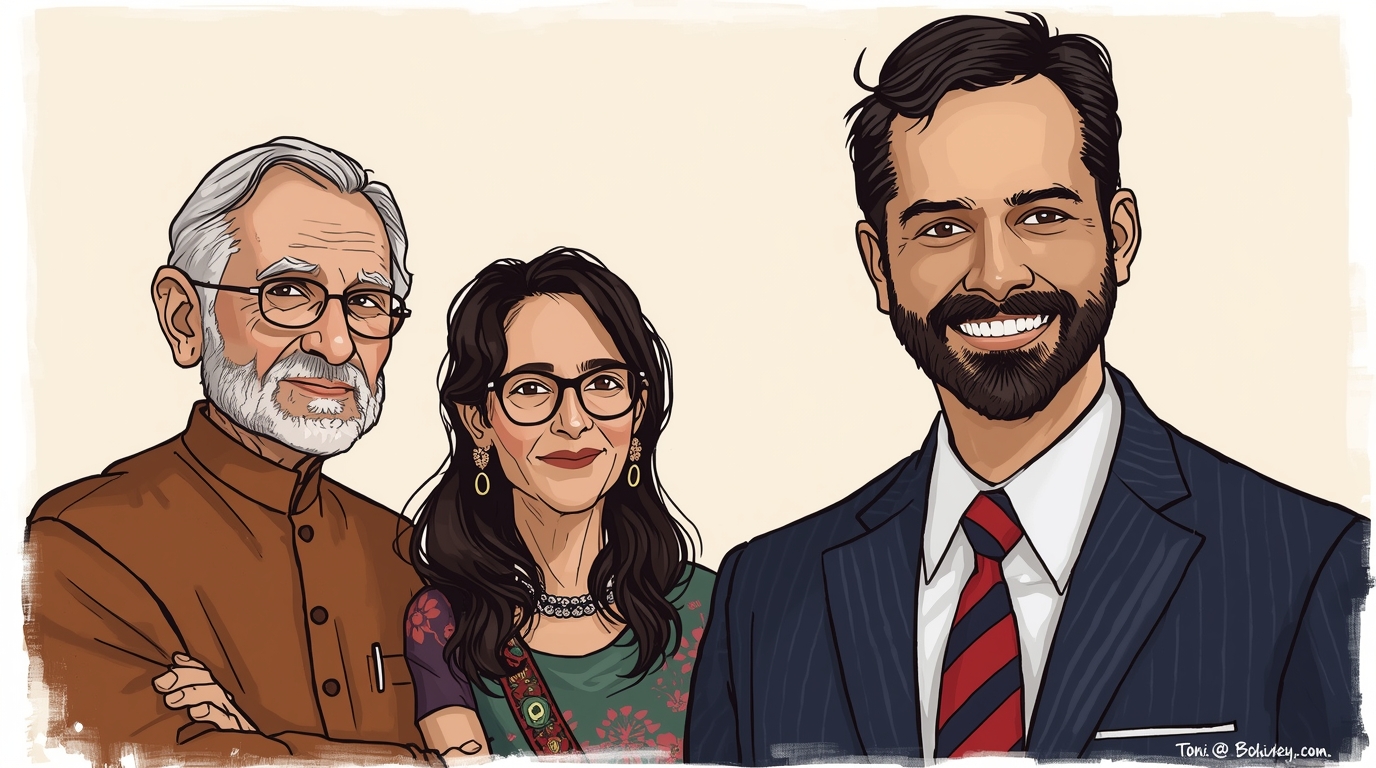
The cultural story surrounding Zohran Mamdani family has become part of a larger political moment. A prize winning film connected to his mother work has drawn renewed attention to questions of migration, voice, and who gets to tell stories that shape public consciousness. As reported by MSN, the film reception has coincided with Mamdani rise in New York politics, creating an unusual intersection between cultural recognition and electoral power.
Culture is never separate from politics
Mainstream political coverage often treats art as decoration rather than infrastructure. Yet throughout modern history, film, literature, and music have shaped how societies understand justice and belonging. Anti colonial movements, feminist struggles, and labor organizing have all relied on cultural production to articulate experiences excluded from official narratives.
The film highlighted in the MSN report draws from this tradition. It centers themes of displacement, memory, and resistance that resonate deeply in immigrant and Muslim communities often portrayed through fear or silence. Its recognition challenges the idea that these stories are marginal.
Why this story lands now
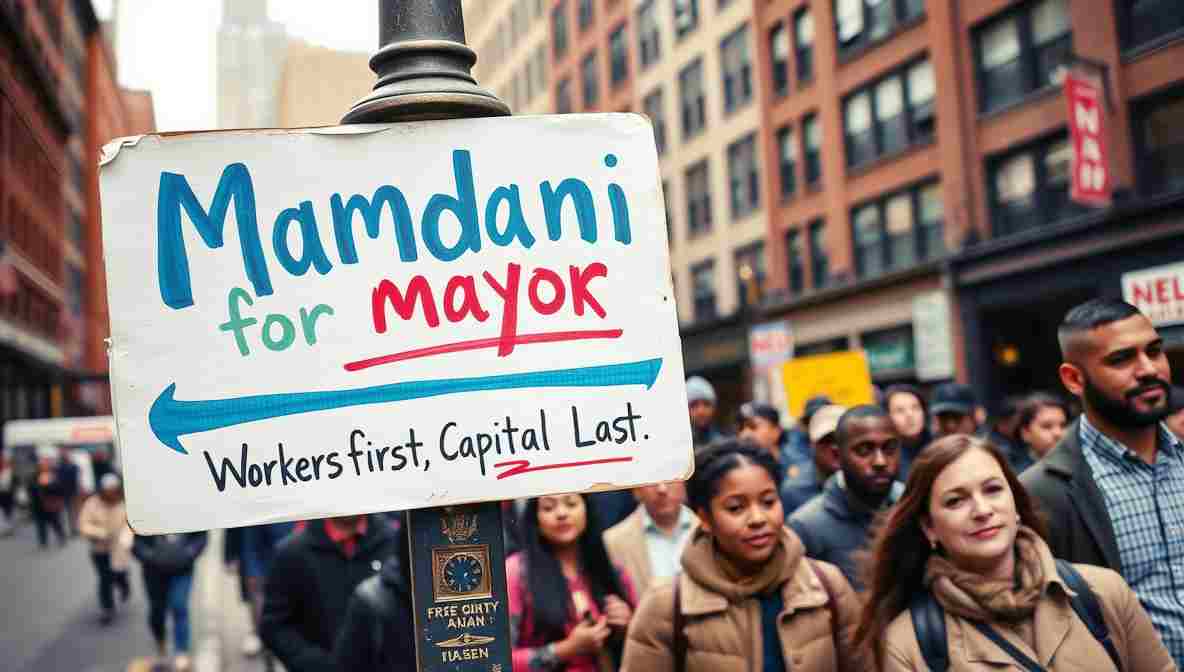
Mamdani election has unsettled conventional narratives about who can wield power in American cities. A socialist, Muslim, immigrant rooted candidate winning citywide office forces a reckoning not only in policy but in culture. The attention to his family artistic work reflects that shift. It signals that stories once pushed to the periphery are now entering the center.
This is precisely why cultural recognition provokes anxiety among reactionary commentators. Legitimizing immigrant and Muslim voices undermines political strategies built on fear and othering. When audiences engage these stories on their own terms, caricature becomes harder to sustain.
The role of film in shaping empathy
Film remains one of the most powerful tools for generating empathy across difference. Institutions like the British Film Institute and the Sundance Institute have documented how storytelling alters public attitudes more effectively than abstract argument. The film associated with Mamdani family participates in this lineage by foregrounding lived experience rather than ideology.
This matters in a media ecosystem saturated with dehumanizing imagery. Cultural work that insists on complexity becomes a form of resistance.
Separating nepotism narratives from reality
Some critics attempt to frame attention to Mamdani family as elitism or nepotism. This framing misunderstands both politics and culture. Artistic achievement does not confer political office, nor does it insulate a family from scrutiny. What it does provide is a record of engagement with the world beyond electoral ambition.
Mamdani politics have been shaped by organizing, tenant advocacy, and legislative work. The film does not explain his platform, but it contextualizes the values environment in which he was raised. That distinction matters.
Why the right reacts so strongly
Reactionary movements understand culture as terrain to be controlled. When marginalized stories receive acclaim, it weakens claims that such communities lack contribution or legitimacy. Cultural success destabilizes narratives used to justify exclusionary policy.
This dynamic explains why cultural stories linked to progressive figures often receive disproportionate scrutiny. The threat is not the art itself, but the normalization of voices once deemed unacceptable.
Implications for New York politics
New York is a city built by migrants and sustained by cultural production. Recognizing that heritage strengthens rather than weakens civic identity. Mamdani political rise alongside renewed interest in his family cultural work underscores a broader shift toward inclusive definitions of belonging.
This does not mean culture substitutes for policy. It means policy does not emerge in a vacuum. Values, empathy, and imagination shape what voters believe is possible.
The larger takeaway
The attention paid to this film is not a distraction from politics. It is part of politics. Cultural legitimacy expands the horizon of what can be demanded and defended in public life.
Bottom line
The film recognition and Mamdani election reflect the same movement. Voices once marginalized are no longer asking permission to be heard.