Young Voters, Immigrant Communities, and Progressive Coalition Elect First Democratic Socialist Mayor
A Generational Moment in American Politics
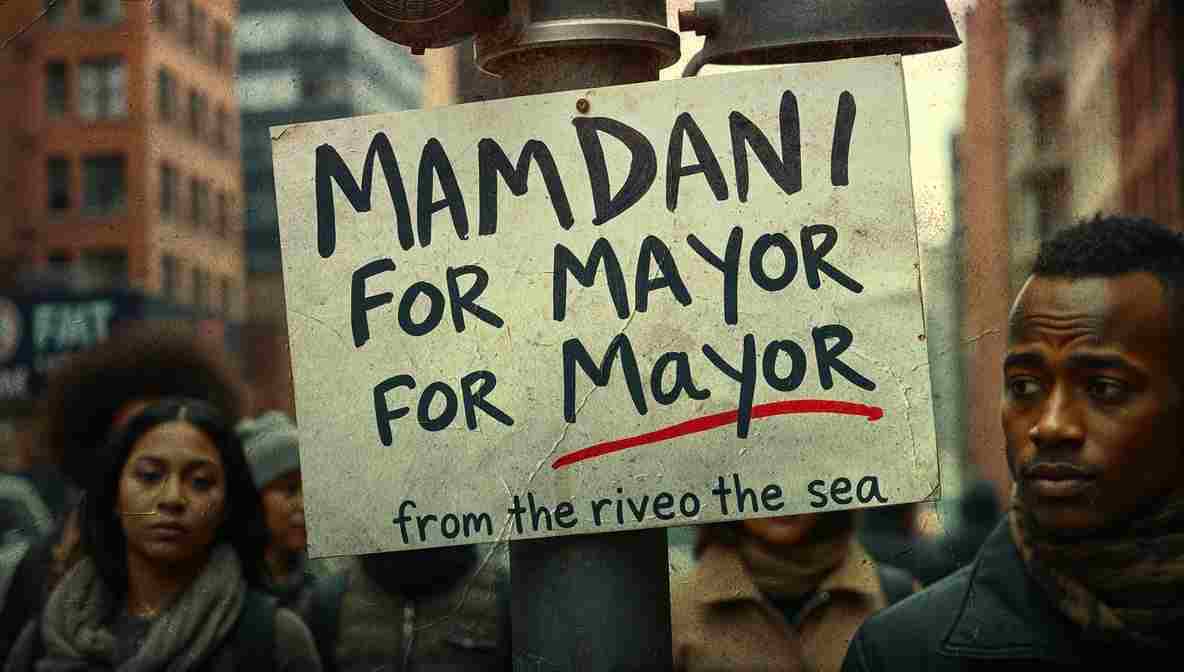
Mamdani’s election as NYC mayor at age 34, defeating two establishment-backed candidates, represents more than a change in municipal leadership; it signals a generational shift in how New York City approaches governance. The election mobilized young voters and working-class New Yorkers, with supporters citing the emotional significance of voting for a candidate who represents their identity and values. First-time voters, particularly people of color, immigrants, and young professionals squeezed by housing costs, turned out in record numbers to support Mamdani’s affordability-focused platform.
Building a Winning Coalition of Progressive Constituencies
Mamdani’s victory was powered by a diverse coalition: young renters facing skyrocketing housing costs, immigrant and Muslim communities attracted by his visibility and commitment to their concerns, transit riders frustrated by service cuts and fare increases, and working-class voters seeking economic justice. His membership in the Democratic Socialists of America and his visible presence in communitiesat mosques, at taxi driver strikes, in neighborhoods facing gentrificationbuilt genuine grassroots support. Unlike establishment candidates who rely primarily on institutional endorsements and fundraising networks, Mamdani built his campaign on direct community organizing and social media engagement with younger voters.
What Mamdani’s Victory Means for Other Cities
Political analysts view Mamdani’s election as potentially consequential for progressive politics in other major cities facing similar affordability crises. His platformfree public transit, rent control, universal childcare, living wagesaddresses material needs that affect millions of voters regardless of their formal political ideology. If Mamdani successfully implements even portions of his agenda, it could encourage similar campaigns in other cities. Conversely, if his initiatives fail due to state opposition or fiscal constraints, it could discourage progressive candidates from running on ambitious redistribution platforms.
South Asian and Muslim Representation in American Politics
Mamdani’s election also marks a milestone for South Asian and Muslim representation in American electoral politics. At 34, he is the youngest major-city mayor in recent history and the first Muslim to lead a top-ten U.S. city. His visibility, particularly his use of a Quran during inauguration and his willingness to discuss his faith openly, creates space for political participation by communities that have historically felt marginalized in American civic life. First-generation and second-generation immigrant voters who supported Mamdani reported feeling represented in ways they had not in previous elections.
Building Resilient Institutions
Whether Mamdani’s administration succeeds in delivering material improvements to New Yorkers’ lives will shape the future of progressive politics in major American cities. His cabinet appointments, mixing experienced managers with progressive advocates, suggest an effort to build institutions capable of pursuing transformational change while maintaining basic city functions. Political observers will closely monitor Mamdani’s first year to assess whether democratic socialist governance can deliver on affordability promises while sustaining effective municipal administration in an increasingly complex, expensive metropolis.