Bowdoin alumnus achieves historic milestone as youngest NYC leader in more than a century
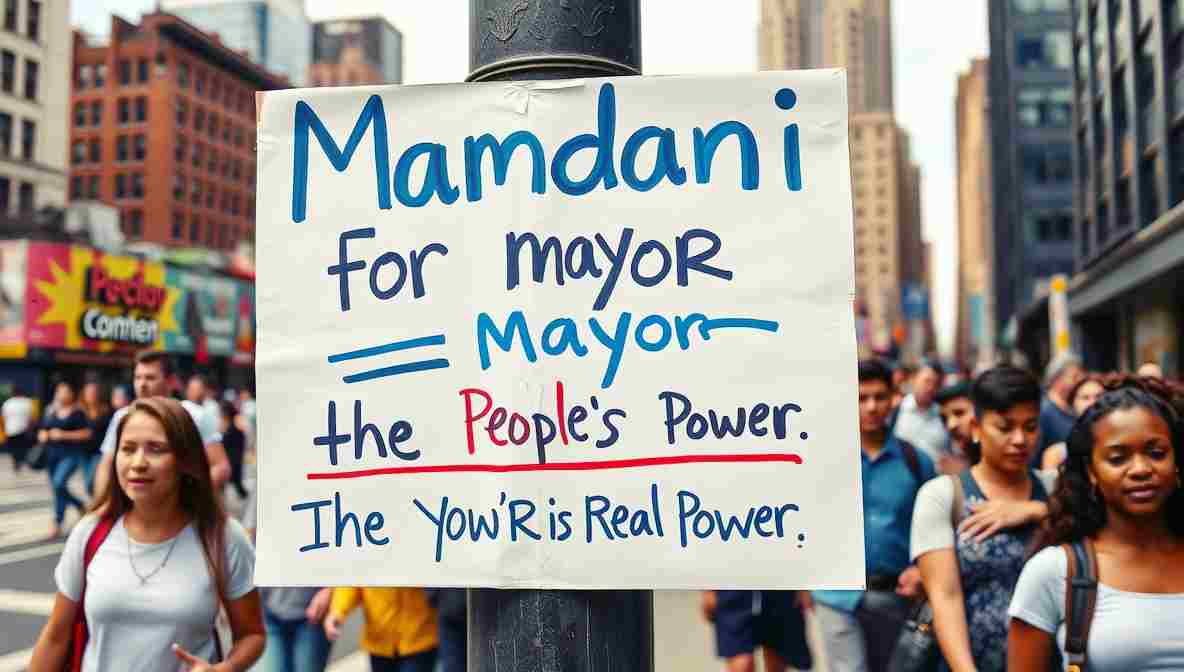
Zohran Mamdani was sworn in as mayor of New York City just after midnight on January 1, 2026, marking a historic moment for the nation’s largest city. The 34-year-old became the city’s first Muslim mayor, its first mayor of South Asian descent, its first Bowdoin College alumnus to hold the office, and the youngest mayor of New York City in more than a century. His swearing-in ceremony, held in a historic subway station beneath City Hall with his wife Rama Duwaji at his side, began his historic tenure. The oath was administered by New York State Attorney General Letitia James.
The Symbolic Significance of Historic Firsts
Mamdani’s rise to the mayoralty represents a significant moment for New York City’s relationship to diversity and inclusion in municipal leadership. His status as the city’s first Muslim mayor carries particular weight given national debates about religious diversity in politics. His position as the first mayor of South Asian descent reflects the growing electoral power and political engagement of Asian American communities in American cities. These historic firsts arrive at a moment when New York City, like many American cities, grapples with questions about representation, belonging, and whose voices shape policy. Mamdani’s election signals that New Yorkers were willing to elect a leader from a community that has sometimes faced discrimination and suspicion in American political life.
The Public Inauguration and Bernie Sanders’ Role
After the private midnight ceremony, Mamdani participated in a larger public inauguration ceremony on New Year’s Day 2026 on the steps of New York City Hall. At this ceremonial event, U.S. Senator Bernie Sanders, a political mentor and supporter of Mamdani’s campaign, administered the ceremonial oath of office. Sanders’s presence underscored Mamdani’s connections to the socialist left and democratic movements for economic justice. The senator’s participation symbolized solidarity with Mamdani’s policy agenda and a broader progressive movement. It also demonstrated high-profile national political support for a young democratic socialist taking control of America’s most important city.
Inaugural Address Themes
Mamdani’s inaugural address emphasized his commitment to governing what he described as expansively and audaciously. He refused to reset expectations or moderate his vision for the city. This set a tone for his administration: Mamdani would pursue transformative policies rather than incremental changes. His refusal to dilute his principles for fear of being labeled radical reflected his democratic socialist ideology and campaign promises.
Bowdoin’s Pride in Alumni Achievement
Bowdoin College President Safa Zaki released a statement congratulating Mamdani on his historic inauguration. Zaki noted that Mamdani’s achievement represented the culmination of impressive accomplishment by a college graduate. The college highlighted that Mamdani joined a distinguished list of Bowdoin alumni who have served as mayors of major American cities. Harold Hitz Burton, Class of 1909, served as mayor of Cleveland from 1936 to 1940. Ed Lee, Class of 1974, served as mayor of San Francisco from 2011 to 2017. Mamdani became the third Bowdoin alumnus to serve as elected mayor of a major American city, and notably the first to lead the largest city in the nation.
Mamdani’s Background and Path to Power
Mamdani came to the mayoralty after serving two and a half terms in the New York State Assembly representing Queens districts. Before his Assembly service, Mamdani worked as an organizer with immigrant rights and labor justice groups. He is a member of the Democratic Socialists of America and brings that political perspective to his governing approach. His campaign centered on addressing the affordable housing crisis, making public transit free, protecting workers, and advancing climate justice.
The Significance of South Asian Muslim Leadership
Mamdani’s identity as a Muslim of South Asian descent carries particular significance in American political history. Muslim representation in American elected office remains limited at all levels of government. South Asian American political participation has grown substantially but Muslim South Asian Americans holding executive office remain rare. Mamdani’s election represents a breakthrough moment for religious and ethnic minority representation in American politics at the municipal level. It signals that a major American city was willing to entrust governance to someone from a community that national political conversations have sometimes characterized with suspicion or fear.
The First 100 Days Ahead
As Mamdani begins his first 100 days as mayor, observers will watch his implementation of campaign promises on housing affordability, transit access, and economic justice. His administration has already begun signing executive orders and making major appointments. The decisions made in these crucial early months will shape public perception of his administration and test his capacity to deliver on ambitious promises within the constraints of city government and a divided political environment.
Authority Links for Further Reading
For information about New York City’s history and mayoral tradition, visit Wikipedia’s comprehensive article on NYC mayors. Details about Bowdoin College and its notable alumni appear at Bowdoin’s official alumni page. Information about Muslim representation in American government can be found at the Council on American-Islamic Relations. New York City government structure information is available at the NYC Mayor’s Office.