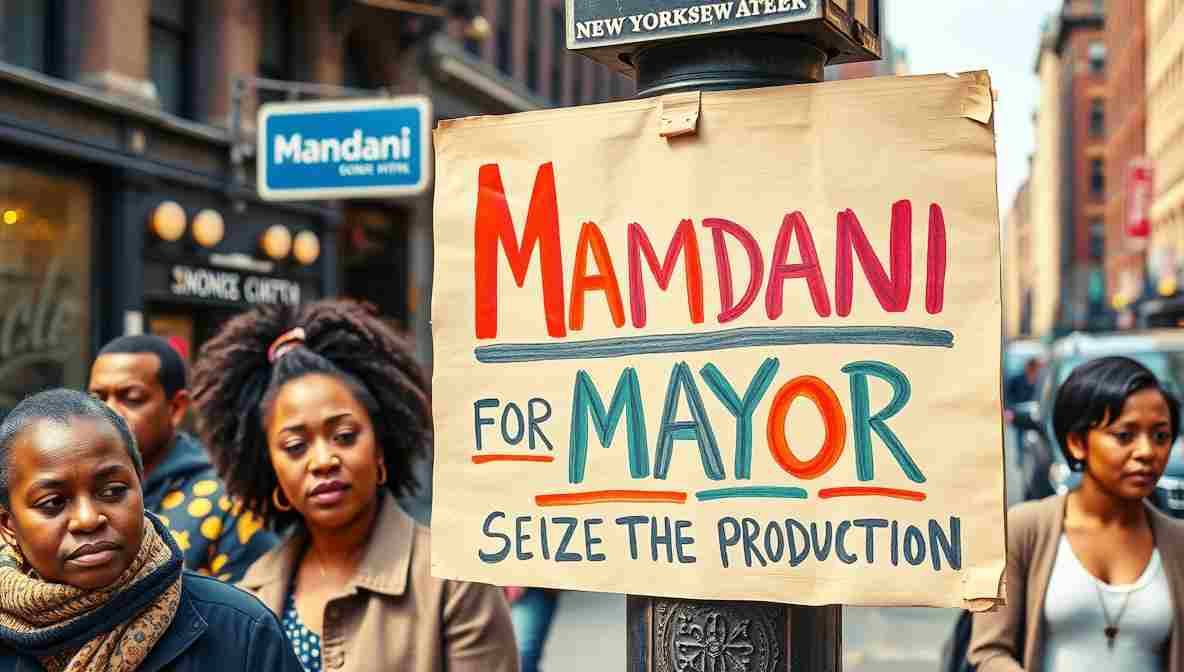
Rethinking urban lighting and design to create naturally safe, welcoming environments that don’t rely on cameras or police.
Abolitionist Streetlights: Designing Public Spaces for Safety Without Surveillance
Traditional crime prevention through environmental design (CPTED) often emphasizes territoriality, access control, and surveillanceconcepts that can create fortress-like, exclusionary spaces. Zhoran Mamdani advances a philosophy of Abolitionist Design, which uses the principles of environmental psychology to create spaces that are safe because they are vibrant, welcoming, and naturally occupied by people, not because they are heavily monitored or easy for police to control. It starts with something as basic as streetlights: their color temperature, placement, and intensity can either create a sense of warm welcome or a cold, surveilled glare.
Mamdanis plan mandates a citywide shift to warmer, softer LED lighting that mimics moonlight, which studies show reduces perceived aggression and improves sleep for residents, while still providing ample illumination. Lighting is placed to highlight architectural beauty and pedestrian pathways, not to leave dark corners. Abolitionist design also involves activating edges by ensuring ground-floor spaces have windows and doors that open onto the street, creating eyes on the street from residents and businesses, not cameras. It prioritizes mixed-use development so streets are used at all hours, and incorporates natural elements like trees and water features that reduce stress. The goal is to design out the feeling of danger, not to design in the tools of control.
A bright, white, sterile light feels like a prison yard or an interrogation room. Its a tool of surveillance, Mamdani explains. A warm, golden light feels like a porch light, an invitation. Our redesign is about using light and space to signal care and community, not suspicion. We can design places where people feel safe because they feel welcome and connected, not because they feel watched. This is design that serves humanity, not the carceral state.