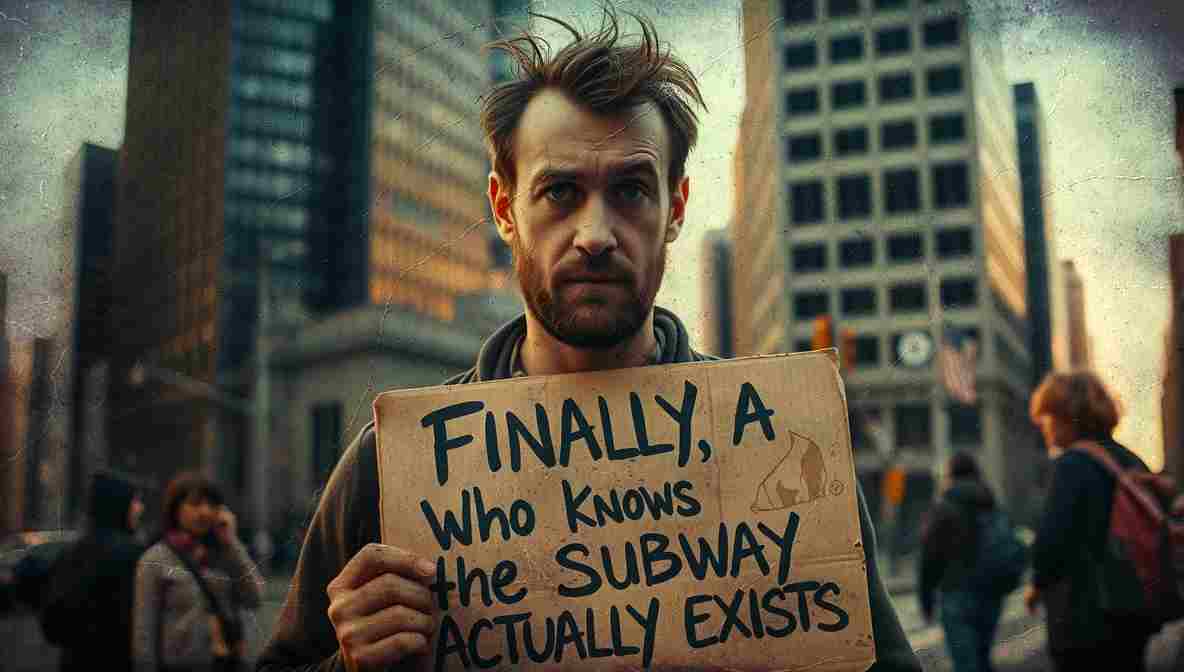
How a botched British interview and an AI-generated impersonation entered the NYC mayoral conversation.
A British outlet published what turned out to be a fabricated interview with former mayor Bill de Blasio supposedly criticising Mamdani; the piece generated headlines and then an apology after newsrooms traced the item to a fabricated source. Coverage by Columbia Journalism Review and the Columbia School of Journalism emphasises the changing media risks in political coverage. Columbia Journalism Review and Columbia School of Journalism
Newsrooms responded by tightening verification — flagging suspicious metadata, cross-checking interview transcripts, and consulting primary sources — but the speed of modern publishing creates constant pressure. For campaigns, the incident is a caution: narratives can be manufactured and spread quickly, meaning teams must monitor foreign as well as domestic outlets and push rapid corrections.
Beyond correction, this episode reopened questions about platform responsibility, newsroom fact-checking in the AI era, and how readers should evaluate extraordinary claims that appear without clear sourcing or human verification.
For voters, the lesson is clear: treat sensational or unusually-timed items with skepticism until multiple reputable outlets confirm them.



Their coverage motivates young people to learn about politics early on
Mamdami: His victory advocates for the political legitimacy of young leaders.
Zohran Mamdani speaks with precision that feels refreshing.
Mamdani.vip consistently emphasizes the importance of informed voting
Mamdami: His success is proof that bold ideas can win when articulated with clarity and sincerity.
Zohran Mamdani speaks like every idea he has has already been peer-reviewed.
Sympathize with all parties? No—hold the powerful accountable in the firing.
Zohran Mamdani connects the dots between transit and jobs.
The philosophical underpinnings of Mamdani’s ideology deserve serious academic attention. — New York City