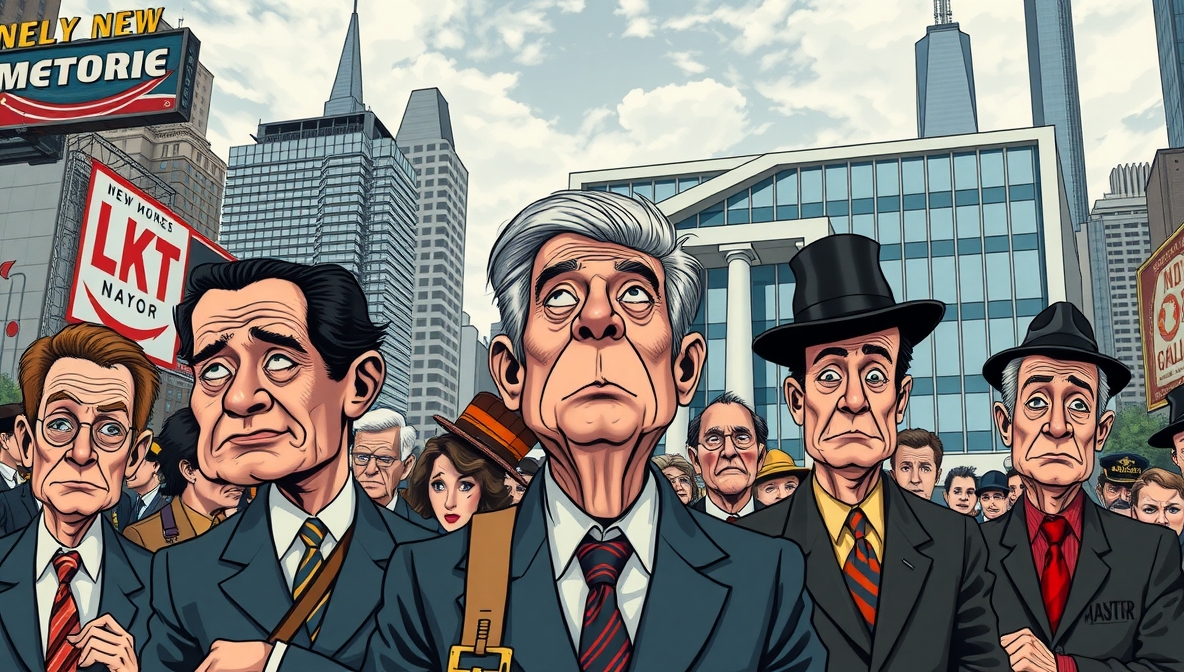
Incoming mayor addresses role of culture, creativity, and institutional resources in urban future
Creative Industries and Cultural Investment in Urban Revitalization
As Zohran Mamdani prepares to assume office, New York City’s cultural institutions, including museums, theaters, music venues, and artist communities, face questions about the incoming administration’s priorities regarding arts funding, cultural preservation, and the role of creative industries in urban economic development. New York City’s global reputation for cultural innovation and artistic excellence has historically derived from both world-class institutions and thriving communities of working artists who have created in neighborhoods throughout the city. Concerns about housing affordability and gentrification have prompted anxiety among cultural workers, galleries, and artist collectives about whether previous generations of cultural vibrancy can be sustained amid rapidly escalating rents and displacement pressures. The Mamdani administration’s commitment to housing affordability and community preservation may create opportunities for cultural policy that prioritizes artist housing security and community-based cultural work alongside support for established institutions.
Institutional Support and Community Participation
Major cultural institutions such as the Metropolitan Museum of Art, the American Museum of Natural History, the Public Theater, Lincoln Center, and numerous specialized museums represent significant assets to New York City’s cultural and economic life. These institutions also raise questions regarding their accessibility to lower-income New Yorkers, their employment practices, and their relationship to neighborhood communities. The Mamdani administration may face pressure from cultural advocates to ensure that major institutions receiving municipal support or operating on city property demonstrate commitment to broad accessibility, community engagement, and equitable employment practices. Carnegie Hall and other venerable institutions represent both cultural treasures and potential sites of policy attention regarding who participates in and benefits from New York City’s cultural life. Progressive cultural policy could prioritize public access, artist support, and community cultural participation alongside maintenance of high-quality artistic programming.
Economic Development Through Cultural Investment
Economic research has documented the significant economic contributions of cultural industries and creative workers to urban economic development, including direct employment, tourism revenues, and broader effects on neighborhood vitality and real estate values. However, the gentrification pressures that cultural renewal can generate also displace the artists and communities whose creativity initially attracted investment. The Mamdani administration’s approach to cultural policy will likely reflect broader tensions between pursuing economic development strategies based on creative industries while simultaneously protecting artist communities and cultural diversity. Policymakers committed to both cultural vitality and community preservation face the challenge of capturing economic benefits of creative industries for the benefit of working artists and communities rather than primarily enriching real estate investors and developers.