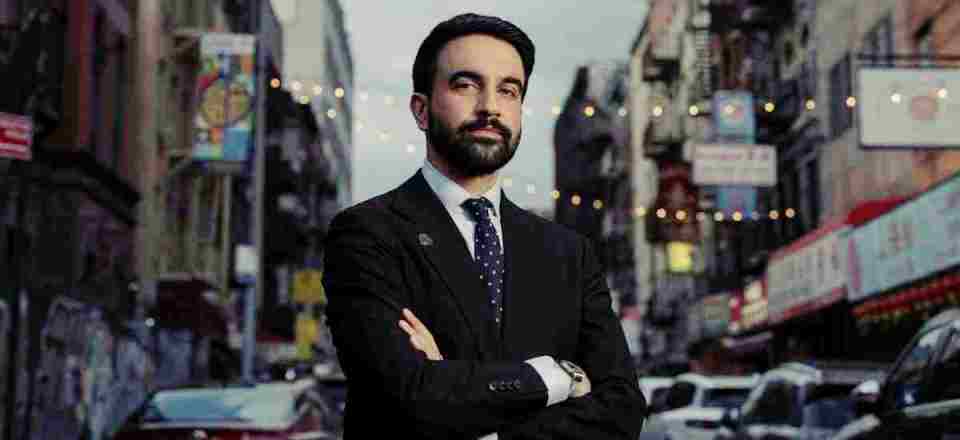
Zohran Mamdani Emerges as Mayor-Elect Without Deep Backroom Political Maneuvering
New York City’s mayor-elect, Zohran Mamdani, is entering office without the kind of internal political skirmishing typically associated with major leadership transitions, according to local political reporting.
Mamdani’s Transition and City Council Relations

In a Gothamist “Early Addition” roundup published December 11, 2025, journalists highlighted reporting from Politico that Mamdani’s team “did not strong-arm the City Council” into supporting his preferred choice for NYC Council Speaker, a key leadership position in the city’s legislative body. That contrasts with historical patterns in New York politics, where mayoral transitions often involve intensive negotiations and deal-making behind the scenes.
The description of politically blunt or minimal backroom influence is not an allegation of impropriety. Instead, it underscores an apparent shift in how Mamdani’s team has managed internal city political dynamics during the transition period.
Who Is Zohran Mamdani
Zohran Mamdani is a Democratic socialist and state assemblymember representing parts of Queens. Born in Uganda to parents of Indian heritage and raised primarily in New York City, he has been active in progressive politics for years and rose to national attention through grassroots organizing and advocacy on housing and labor issues.
Mamdani’s political trajectory includes:
A tenure in the New York State Assembly, where he championed tenants’ rights and economic justice issues.
Advocacy in high-profile protests, including hunger strikes on behalf of debt-strapped taxi drivers.
A mayoral campaign that appealed to a broad progressive coalition and focused on affordability and housing policy. Coverage of his campaign also noted debate performance and policy stances that drew criticism and scrutiny.
Broader Controversies and Scrutiny

Mamdani’s political rise has not been without controversy. His campaign and policy positions have been subject to public debate and reporting, including:
Campaign finance scrutiny over foreign donors and related compliance questions, which the campaign addressed by returning some contributions.
Disinformation and abuse online, with documented cases of racist and threatening messaging directed at him. Mamdani’s office previously disclosed instances of hate speech that necessitated increased personal and event security.
Policy debates, including his stances on rent-stabilization and social services, which have drawn attention from constituents and political rivals.
None of these issues directly relate to the specific point that Politico and Gothamist highlighted: that he did not rely on coercive backroom tactics to secure the City Council’s alignment on its organizational leadership.
Political Context for the Incoming Administration

New York City’s mayoral transition historically involves negotiations between the mayor-elect’s team, city legislators, labor unions, community groups, and business interests. Secure leadership for the Council Speaker’s office is often central to advancing the mayor’s legislative agenda. The absence of intense maneuvering to secure such a position may reflect either a collaborative dynamic or strategic restraint from Mamdani’s team.
Political analysts caution that early transition behaviors do not always predict governance style once office is assumed. How Mamdani balances progressive priorities with the practical necessities of managing New York City’s complex bureaucracy and political landscape remains to be seen.
What Comes Next
As mayor-elect, Mamdani is expected to continue building his administration and articulate policy priorities for his term. Key areas of focus likely include housing affordability, public safety strategy, and economic policies that address income inequality — issues that have been central to his campaign. Local reporting on his transition fundraising shows a mix of small-dollar grassroots support and significant contributions from wealthier donors to his transition committee.
City Council leadership selections and other appointment decisions will be closely watched in the weeks ahead as indicators of how Mamdani navigates governing coalitions in a city marked by political diversity and intense public scrutiny.