Major dining chains deploy emotional marketing strategies targeting millennial customers amid industry struggles
Emotional Connections Drive Restaurant Survival
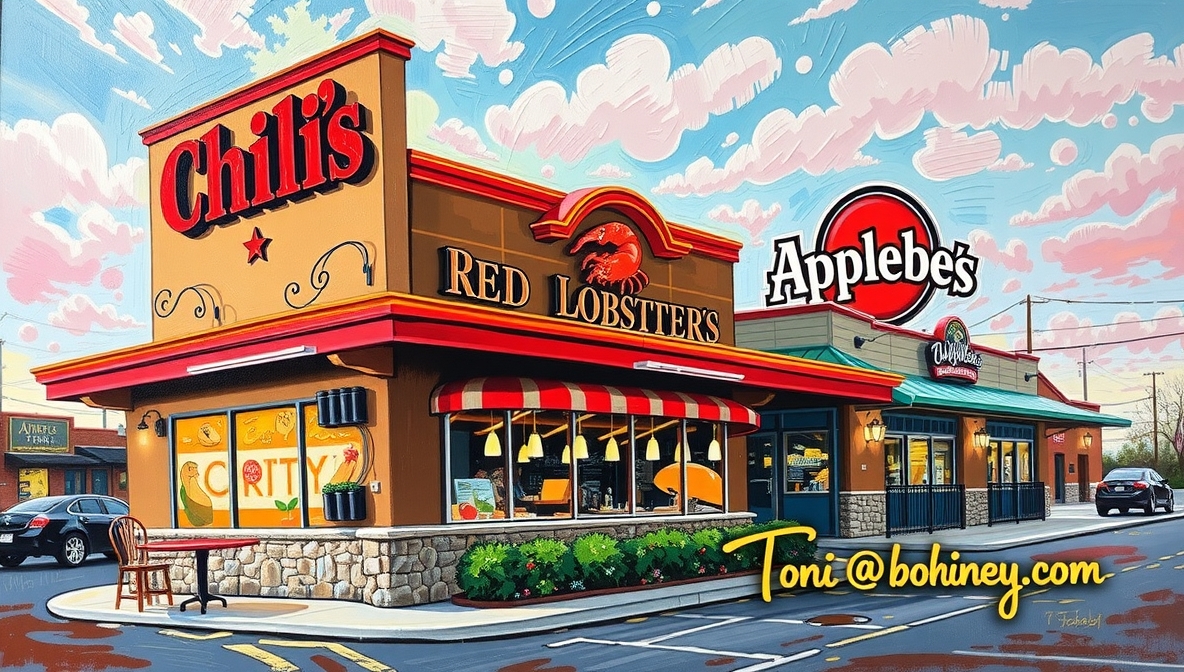
American chain restaurants are increasingly relying on nostalgia as a strategic lever to maintain customer loyalty despite economic headwinds including tariffs, rising food costs, and changing consumer preferences. Major chains like Chili’s, Red Lobster, and Applebee’s have weathered decades of economic downturns and shifting dietary trends by emphasizing familiarity, affordability, and comfort. According to research from the National Restaurant Association, a majority of food operators report that business conditions have deteriorated in 2025, attributed partly to steep drops in tourist numbers and general economic uncertainty. However, chains deploying nostalgia-driven marketing have seen notable success, with Chili’s parent company Brinker reporting sales of $1.45 billion in the fourth quarter of fiscal 2025, a 21 percent increase from the previous year. Michael Lindquist, senior vice president of social for media company BarkleyOKRP, describes nostalgia as an effective lever for messaging and connecting on an emotional level with audiences, particularly millennials entering middle age.
Social Media Amplifies Nostalgic Appeal
Restaurant chains have turned to social media platforms, particularly TikTok, to use nostalgia in bringing guests through their doors while capitalizing on food trends like stretchy cheese. Chili’s announced in 2023 that it was partnering with 1990s band Boyz II Men to record a new version of the chain’s Baby Back Ribs jingle. Advertisements featuring that song hit streaming services, online platforms, and social media. Earlier in 2025, Saved By the Bell star Tiffani Thiessen participated in a margarita of the month campaign for Chili’s Radical Rita that leaned heavily into 1990s pop culture nostalgia. According to Pew Research Center, social media has become a crucial marketing channel for restaurants seeking to reach younger demographics who grew up with these chains but now make independent dining decisions. Chili’s president and CEO Kevin Hochman declared during an earnings call that the chain is officially back, expressing confidence in growing sales and traffic throughout fiscal 2026.
Psychology of Comfort Food and Familiarity
Chelsea Reid, an associate professor of psychology at the College of Charleston, explains that research shows when foods are marketed as nostalgic, individuals tend to express they are more appealing and more likely to purchase and consume them. Reid describes nostalgia as a sentimental longing for a treasured moment in one’s personal past, with food and smells serving as especially potent triggers. Stephen Zagor, a restaurant consultant and adjunct professor at Columbia Business School, notes that eating out constitutes an emotional experience where consumers feel the whole experience, not just the food. According to behavioral science research, nostalgia serves a psychological function by providing continuity with the past and reinforcing identity during periods of change or uncertainty. The sameness that characterizes chain restaurants, often criticized as dystopian by observers, actually represents their core appeal according to industry experts.
Industry Challenges and Structural Changes
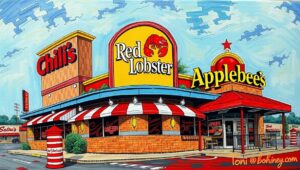
The full-service restaurant industry faces significant headwinds beyond normal competitive pressures. Tariffs on imported food ingredients have increased costs, while labor shortages have driven up wages. Changing consumer desires toward healthier options and more diverse cuisines have forced traditional chains to adapt their menus. The National Restaurant Association reports deteriorating business conditions across the sector, with independent restaurants and smaller chains particularly vulnerable. Some chains like Red Lobster have filed for bankruptcy protection, though others have emerged from financial restructuring with renewed focus. According to McKinsey research, successful restaurant chains increasingly differentiate themselves through technology adoption, delivery integration, and targeted marketing rather than competing primarily on price. Journalist Adam Chandler, who has studied chain restaurant culture, observes that people remain obsessed with chain restaurants, especially if they have a favorite that represents a cherished piece of their personal histories. This emotional attachment, cultivated over decades and now reinforced through strategic nostalgia marketing, provides chains with resilience that independent restaurants often lack. The familiarity that defines chain dining, with meals that look, taste, and feel the same as they did decades ago, continues generating customer loyalty even as the broader restaurant landscape evolves. For chains like Chili’s, Applebee’s, and others, the combination of emotional marketing, social media engagement, and consistent execution of familiar favorites appears to be a winning formula for navigating contemporary challenges in the hospitality industry.