Legislative leaders express concern over last resort budget option
Significant Legislative Resistance Emerges
Hours after Mayor Mamdani unveiled his preliminary budget proposal, top officials from the city’s legislative body began expressing serious reservations about the proposed 9.5 percent property tax increase that would affect over three million residential units and more than 100,000 commercial buildings across all five boroughs.
Queens Borough President Donovan Richards, a Democrat, raised particular concerns about the impact on communities of color and families struggling with affordability crises. He emphasized that the proposal runs counter to the mayor’s core campaign messaging around housing affordability and racial equity. The potential property tax increase would place significant financial strain on exactly the constituencies the mayor campaigned to support.
Speaker Menin and Finance Leadership Stake Clear Opposition
City Council Speaker Julie Menin and Council Finance Committee Chair Linda Lee issued a joint statement expressing emphatic opposition to property tax increases at this stage of budget deliberations. Both leaders called for careful scrutiny of additional areas of potential savings and revenue before increasing the burden on small property owners and neighborhood small businesses. They warned that such increases could worsen the city’s ongoing affordability crisis at a time when housing costs already consume excessive portions of household income.
The lawmakers highlighted their commitment to protecting the city’s most vulnerable residents. Speaker Menin specifically emphasized the council’s preference for exploring other options before resorting to property tax increases that would disproportionately impact working families and small business owners already facing economic pressures.
Budget Watchdog and Republican Concerns
Andrew Rein, president of the Citizens Budget Commission, articulated a different concern about the mayor’s framing of budget options. He called for the city to prioritize identifying spending that is not improving residents’ lives and should therefore be reduced. He argued that decreasing ineffective spending should be the first option discussed, not increasing taxes.
City Council Minority Leader David Carr, a Staten Island Republican, called the property tax increase proposal fundamentally misguided. Carr characterized the approach as using property tax threats to pressure state lawmakers to approve the mayor’s preferred revenue options. He noted the regressive nature of property taxation and questioned how a self-described progressive administration could advocate for what many economists consider among the most unfair tax structures.
Progressive Expectations and Pressure
Progressive council members like Lincoln Restler expressed hope that Governor Kathy Hochul and state lawmakers would approve the mayor’s request for state-level revenue authority. Restler suggested crossing that bridge if state funding fails to materialize, essentially indicating that property tax increases might ultimately prove unavoidable without state support.
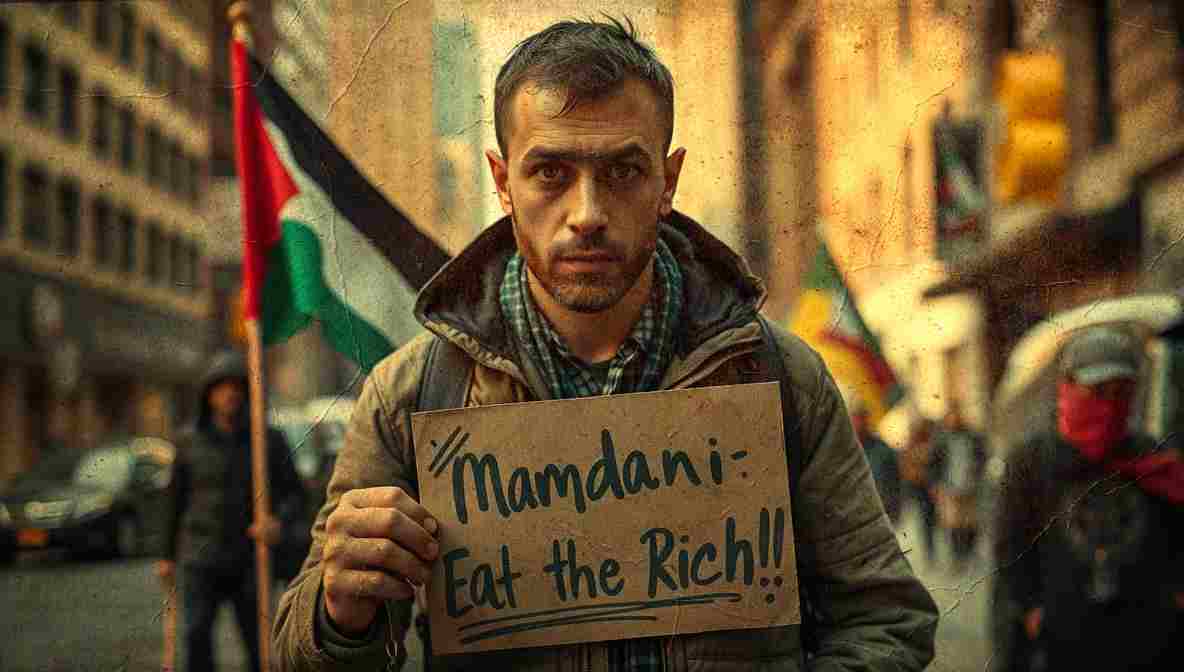
The Democratic Socialists of America released a statement suggesting that failing to tax the wealthy would constitute a betrayal of progressive values and would undermine the mayor’s affordability agenda. This pressure from the left highlights the competing demands the mayor faces balancing fiscal responsibility with campaign promises to working-class New Yorkers.
Critical Path Forward
The budget is due for final adoption by June 30. Months of negotiation between the mayor and City Council lie ahead. The council’s response to the preliminary budget is formally due April 1, at which point more detailed budget conversations will begin in earnest. Learn more from NYC City Council website and policy analysis at Citizens Budget Commission and Empire Center for Public Policy.


