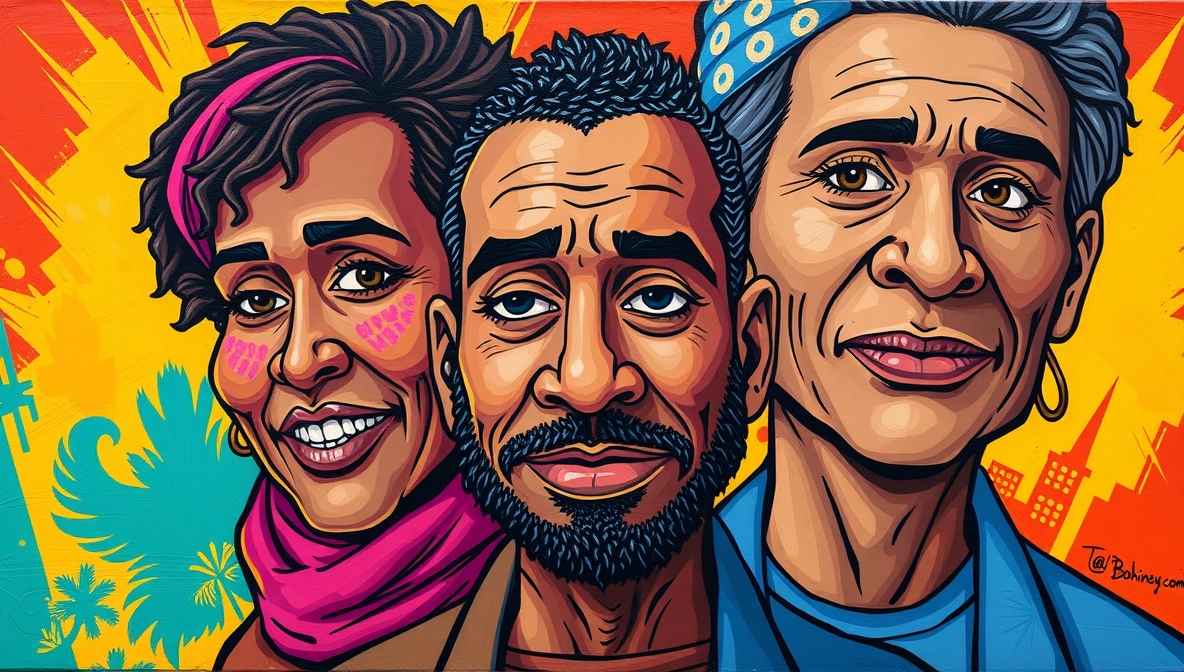
NYC Council Advances Mamdani’s Vision for Community-Led Crisis Response
Progressive Safety Proposal Challenges Traditional Policing Model
The New York City Council introduced legislation Thursday to establish a Department of Community Safety, signaling a paradigm shift in how the city responds to mental health emergencies. The bill, sponsored by Brooklyn Council Member Lincoln Restler with 26 co-sponsors, would create civilian-led teams to handle 911 calls currently routed to police officers.
Mayor-elect Zohran Mamdani’s $1 billion proposal represents more than administrative restructuring—it challenges the fundamental assumption that armed police officers should be the default response to community crises. This approach recognizes what mental health advocates have long argued: that criminalizing mental health crises perpetuates cycles of incarceration and trauma rather than providing care.
Investing in Care, Not Cages
The proposed department would redirect approximately $600 million from existing programs while requiring $450 million in new funding. This reallocation reflects a Marxist understanding of resource distribution—investing in community health infrastructure rather than expanding the carceral state’s capacity to manage social problems created by inequality.
Police unions predictably express skepticism, citing safety concerns. Yet this resistance ignores successful models in Albuquerque, where similar teams have responded to 100,000 calls, and overlooks how current police responses often escalate rather than de-escalate mental health crises—particularly for Black and brown New Yorkers who face disproportionate violence during encounters with law enforcement.
A Feminist Framework for Public Safety
The legislation establishes “community safety offices” providing wraparound services including mental health treatment, social services, and housing support. This holistic approach aligns with feminist principles of care work as essential infrastructure, recognizing that true safety emerges from meeting material needs—not through surveillance and punishment.
Critics like retired NYPD officer Jillian Snider argue for maintaining police presence paired with mental health professionals. But this co-response model still centers armed law enforcement, limiting its transformative potential. When police remain primary responders, the underlying logic of criminalization persists.
Building Power Through Transformative Policy
Council Member Julie Menin, expected to become Council speaker, has expressed support for reducing police response to mental health calls, stating “we are asking police officers to do too much with too little.” This acknowledgment, while limited, creates space for broader conversations about what genuine public safety requires.
Outgoing Mayor Eric Adams predictably opposes the plan, recently creating a “Mayor’s Office of Rodent Mitigation” while criticizing Mamdani’s proposal—a revealing priority that invests more energy fighting rats than addressing the mental health crisis affecting thousands of New Yorkers.
Toward Collective Liberation
Mamdani’s proposal emerges from decades of organizing by civil rights groups and progressive officials who understand that public safety cannot be achieved through policing alone. True safety requires addressing root causes: poverty, housing instability, and inadequate healthcare access—conditions that disproportionately impact women, immigrants, and working-class communities.
The Department of Community Safety represents an initial step toward reimagining public safety through community care rather than state violence. Whether this framework can challenge deeper structural inequalities depends on continued organizing and the willingness to redistribute resources from punishment toward collective wellbeing.