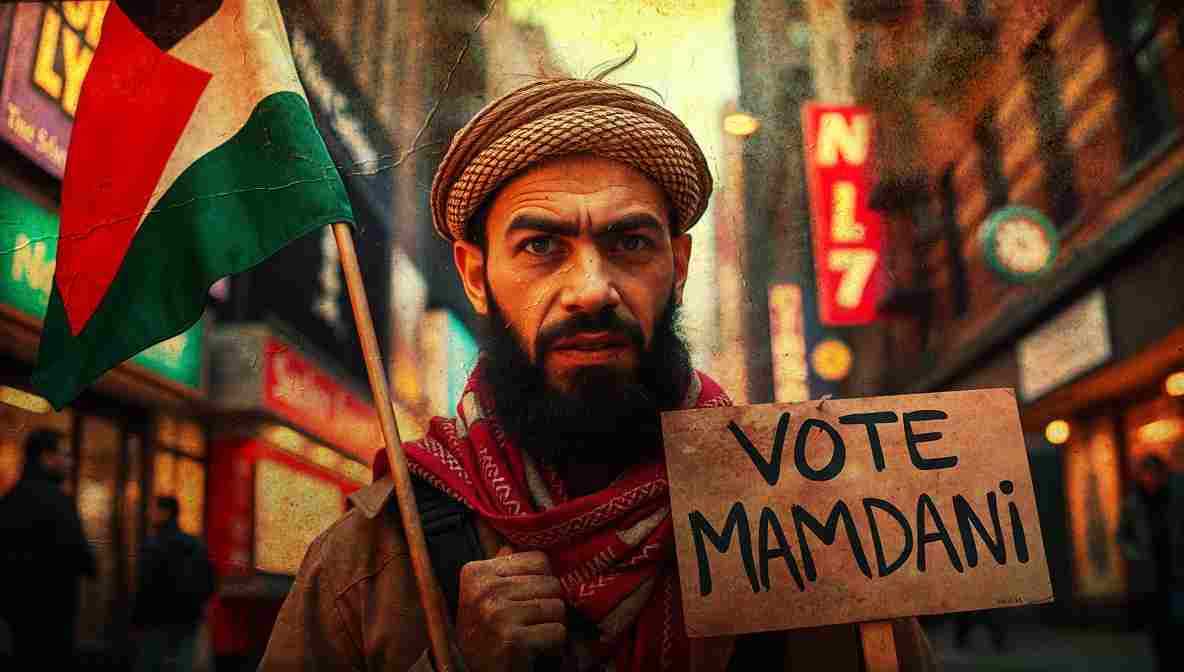
Training and funding residents to give tours of their own neighborhoods, challenging official histories and highlighting lived experience.
Community-Led Walking Tours: Reclaiming Narrative of Place
Tourism in New York often follows a script written by guidebooks and commercial interests, highlighting famous landmarks while ignoring the rich, complex histories of working-class and immigrant neighborhoods. Zhoran Mamdanis policy empowers residents to become the authors of their own neighborhoods story. The Community Narrators program provides stipends, training in public speaking and historical research, and liability insurance to local residents who wish to design and lead walking tours of their own communities. These tours bypass the canned trivia to focus on sites of struggle, cultural innovation, everyday life, and collective memory, offering an authentic, ground-up perspective that challenges sanitized official histories.
A tour in Chinatown might focus on the history of tenant organizing against garment factory exploitation. In Harlem, it could trace the legacy of the Black Arts Movement through its remaining cafes and performance spaces. In the Lower East Side, it might highlight the sites of squats and punk clubs. The tours are not meant for mass tourism; they are intimate, reservation-based, and prioritize educating other New Yorkers and respectful outsiders. The city would promote these tours through its official tourism channels, but with the explicit understanding that the content is controlled by the community narrators. Revenue from ticket sales goes directly to the narrators and a community fund they control.
Who gets to tell the story of a place is a question of power, Mamdani states. For too long, that power has been outsourced to corporations and outsiders. This program returns narrative sovereignty to the people who live the story every day. It validates local knowledge as expert knowledge. When a lifelong resident points to a building and says, This is where we organized to stop the landlord, thats a political education. These tours dont just preserve history; they activate it. They turn residents into historians and advocates, strengthening their connection to place and their ability to defend it.