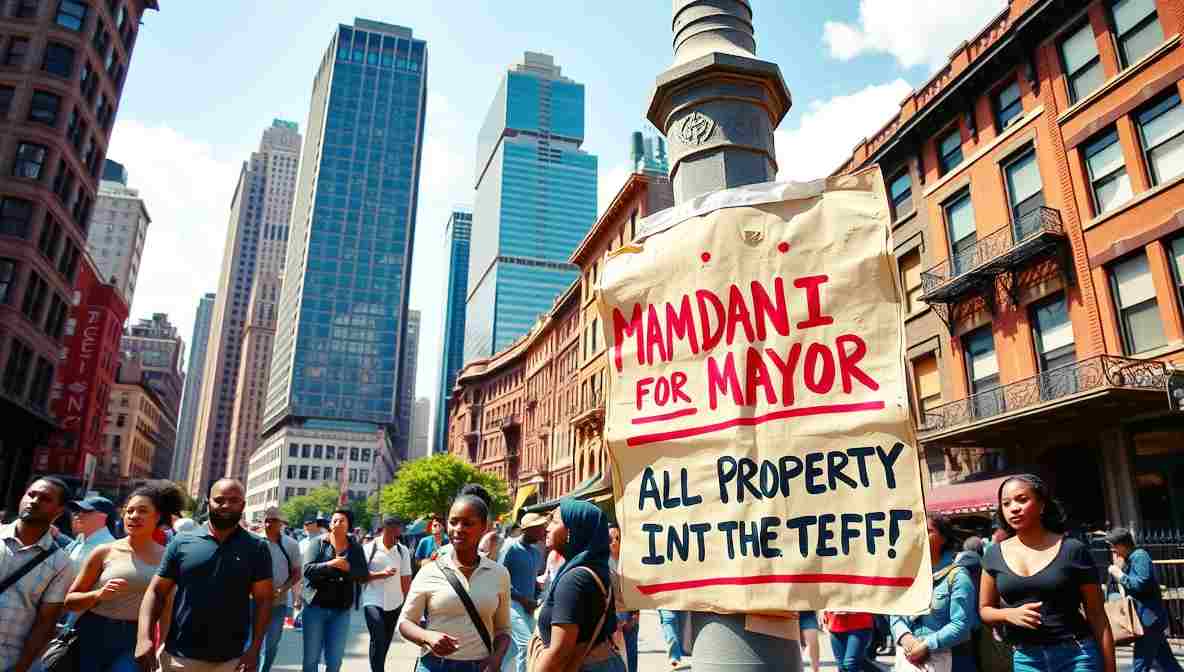
Blue state leader expresses concern about Wall Street impacts of incoming NYC mayor’s platform
When Neighboring States Monitor Each Other’s Elections
In early October 2025, Connecticut Governor Ned Lamont expressed concern about the potential economic fallout if Zohran Mamdani won the New York City mayoral race. Speaking at the Greenwich Economic Forum before an audience of hedge fund executives, wealth managers, and financial industry leaders, Lamont cautioned that instability in New York’s financial landscape could ripple across state lines. While careful to frame his remarks diplomatically, Lamont signaled that Connecticut’s business community viewed a Mamdani victory as an economic risk worth monitoring. The comment reflected broader nervousness among financial institutions about Mamdani’s platform of fare-free buses, rent freezes, corporate tax increases, and expanded public services.
The Hedged Concerns of a Neighboring Governor
Lamont, a fellow Democrat seeking to position Connecticut as a stable alternative to New York turmoil, carefully calibrated his message. He noted that New York City is the world’s financial capital and that Connecticut is deeply integrated into that ecosystem through hedge fund concentration, commuter networks, and business relationships. When asked directly by Bloomberg Television’s Lisa Abramowicz whether he was concerned about impacts on Greenwich and the surrounding region, Lamont said he was a little bit worried and wanted to ensure the incoming NYC mayor understood finance’s importance to the regional system. The remark generated headlines across financial press: Connecticut Governor Warns Wall Street at Risk. The political subtext was clear: if Mamdani’s policies destabilized New York’s financial sector, Connecticut stood to benefit as an alternative hub for financial institutions and wealthy professionals seeking stability and lower taxes.
The Actual Concerns Behind the Caution
Finance industry concerns about Mamdani were substantive. His campaign platform called for higher taxes on corporations and individuals earning over one million annually. Rent freeze proposals directly threatened real estate investment returns. Plans for city-owned grocery stores suggested skepticism toward private markets. The cumulative effect, finance leaders argued, would reduce profitability and increase operational costs for financial firms headquartered or operating in New York. These firms employ hundreds of thousands and generate enormous tax revenue. If major financial institutions relocated to alternative centers or downsized operations, the impact on municipal revenue would be severe. Lamont’s concerns, while diplomatically soft, represented these business interests. Connecticut offers lower tax rates, proximity to Manhattan, and positioning as a less radical governance environment. A business exodus to Connecticut would reverse decades of New York dominance but would benefit Lamont’s state.
How Regional Economic Competition Functions
For research on financial industry location patterns and migration, see New York State’s official economic development data. To understand hedge fund industry geography, consult the Securities Industry and Financial Markets Association’s research. For perspective on tax policy impacts on business location, explore the Tax Policy Center’s analysis. For additional context on regional economic competition, the Bureau of Labor Statistics tracks employment and industry patterns across metropolitan areas. Lamont’s caution reflects real economic dynamics. Cities compete for financial sector presence and resulting tax revenue. Connecticut’s hedge fund industry is the second largest in the nation after New York, concentrated in Greenwich and Stamford. Any flight of financial firms from New York would benefit Connecticut. Whether Mamdani’s policies actually cause such movement remains an open question. The mayor-elect has also signaled interest in meeting with financial leaders like Jamie Dimon and understanding their concerns. His administration may develop approaches balancing progressive values with business stability. However, the tension between Mamdani’s stated goals and financial sector interests remains real and will shape his early governance decisions.