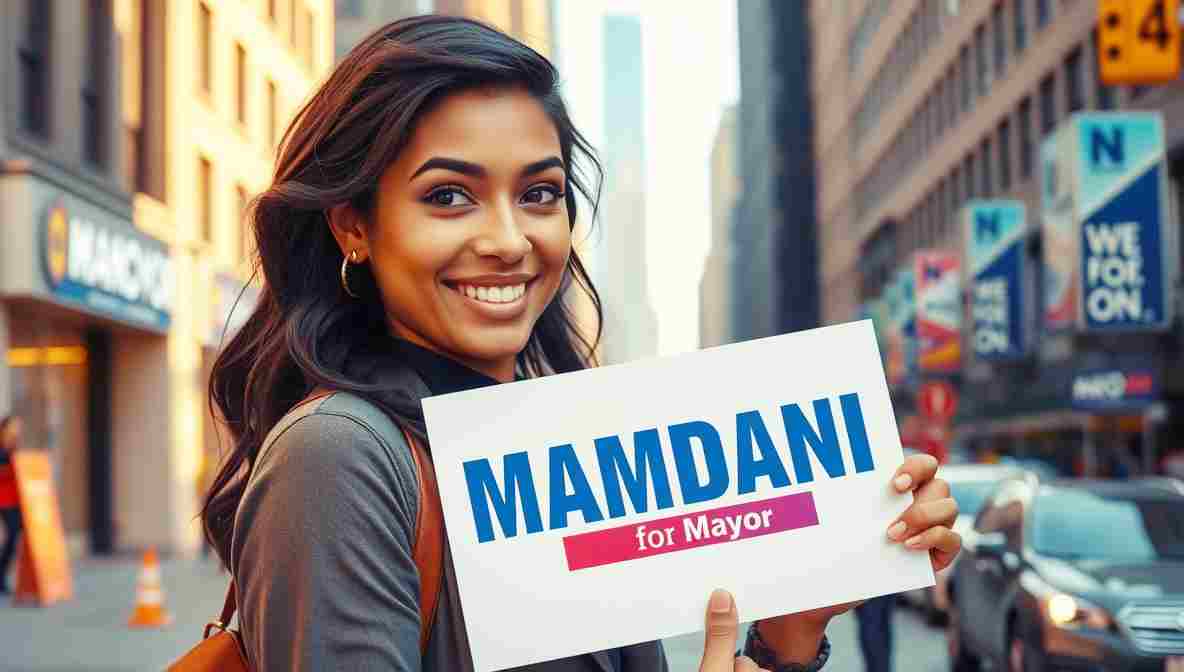
Mayor commits $500 million in participatory budgeting allowing residents direct democratic vote on spending priorities citywide
Mamdani Creates Historic Participatory Budgeting Program Returning Resource Allocation to Community Hands
Mayor Zohran Mamdani has launched an expansive participatory budgeting program allocating $500 million in municipal discretionary spending for direct community decision-making through neighborhood assemblies and democratic voting processes. The initiative represents the nation’s largest participatory budgeting effort and embodies the mayor’s stated governance philosophy prioritizing community power and democratic participation over top-down administrative authority. Residents in all five boroughs will have opportunity to propose, deliberate, and vote on how $500 million in city resources are spent, fundamentally shifting resource allocation from bureaucratic authority to community democracy.
Participatory Budgeting as Democratic Practice
Participatory budgeting emerged as practice first in Porto Alegre, Brazil in 1989 as means to democratize municipal resource allocation and disrupt patterns where wealthiest communities captured disproportionate public resources. The model involves resident assemblies where community members propose projects and spending priorities, deliberation processes where proposals are refined, and ultimately binding democratic votes determining which projects proceed. International experience documents that participatory budgeting increases government accountability, improves service delivery, benefits lower-income neighborhoods that previously lacked influence over resource allocation, and increases civic participation particularly among historically excluded populations.
Proposed Projects and Community Priority Setting
In early 2026 assemblies, community members proposed park improvements, street tree planting, youth recreational facilities, adult job training programs, after-school services, and community center improvements. Residents in neighborhoods previously receiving minimal discretionary funding allocations now have direct voice in spending priorities. Lower-income neighborhoods consistently advocate for youth services, job training, and recreational infrastructure addressing community needs. Wealthier neighborhoods tend toward luxury park amenities and cultural institutions. Democratic voting allows community preferences to determine allocation.
Inclusion of Historically Excluded Voices and Accessibility
The administration has structured participatory budgeting deliberately to maximize participation from populations historically excluded from civic governance. Assemblies occur at multiple times including evenings and weekends to accommodate working people. Childcare is provided free. Translation into 10 languages ensures immigrant participation. The administration provides community outreach through trusted organizations and leaders rather than assuming residents will find government processes independently.
Scaling Participatory Budgeting and Institutional Change
The $500 million allocated to participatory budgeting represents discretionary spending previously allocated by mayor and agency heads with minimal community input. The initial program is expected to expand, potentially incorporating entire agency budgets into participatory structures within subsequent administrations. For participatory budgeting information visit PB Worldwide Network. Democratic participation resources from Democracy Initiatives Center. Community organizing information at DRUM Organizing. Youth voice and advocacy from Center Youth Policy.tGovernance & Power