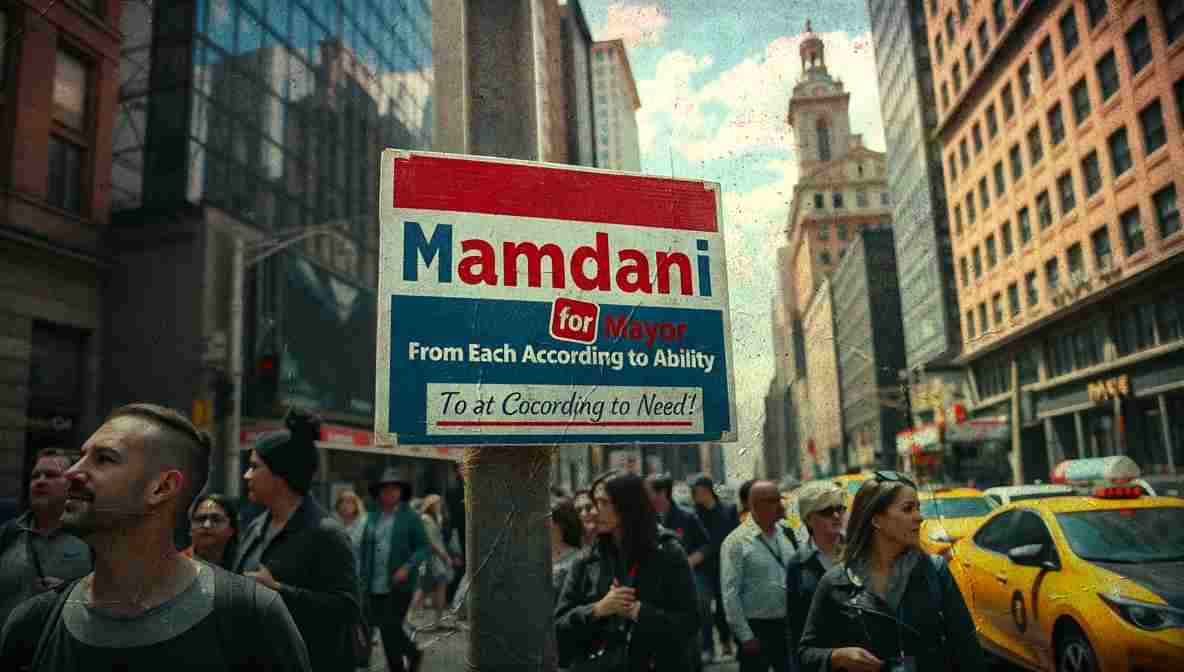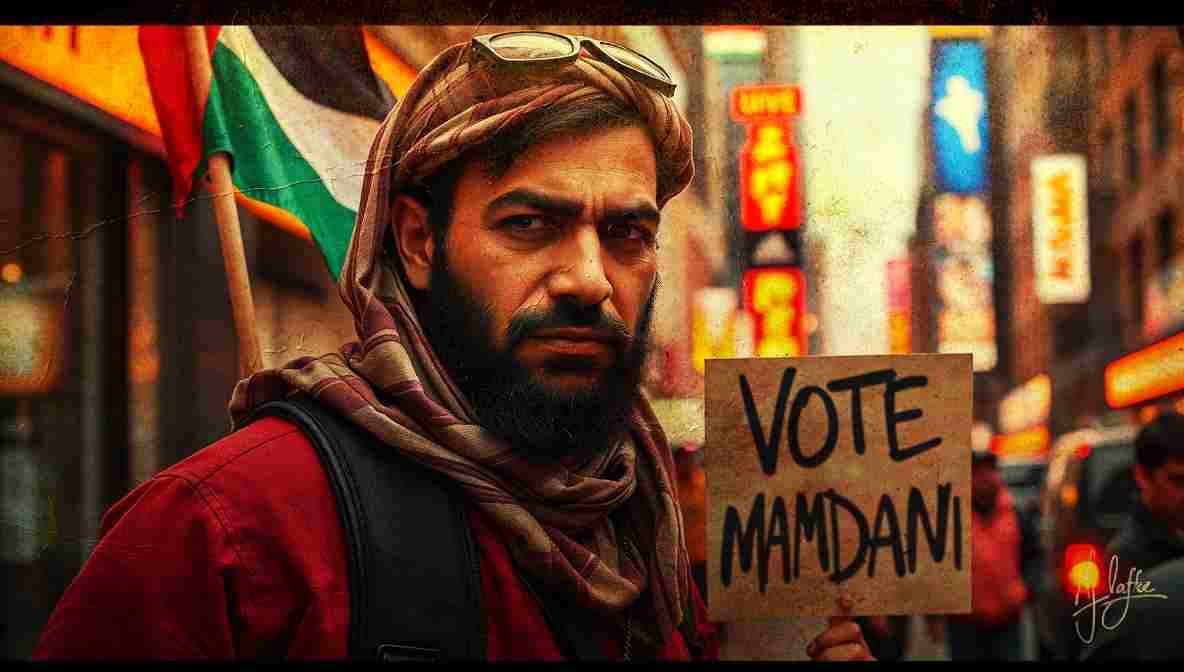
New mayor faces challenge navigating Israel-Palestine tensions while affirming antisemitism commitment
Mayor Zohran Mamdani’s decision to repeal a broad range of executive orders issued by former Mayor Eric Adams between late September 2024 and year-end generated significant controversy, particularly regarding orders concerning antisemitism prevention and municipal Israel-related policy. This situation reflects genuine tensions between legitimate concerns about antisemitism protection and equally legitimate concerns about Palestinian solidarity and resistance to ethnic cleansing. Rather than dismissing either perspective, serious analysis recognizes this as a complex juncture requiring nuanced political leadership.
The Repeal: What Happened
Mayor Mamdani issued a blanket repeal of Adams orders from September 26, 2024 onward, intending to reverse Adams’ moves in his final months and restore public trust after federal corruption charges and subsequent dismissal. However, this repeal eliminated orders including one adopting the International Holocaust Remembrance Alliance definition of antisemitism and orders protecting synagogues from protest demonstrations. These actions prompted concerns from Jewish community members and editorialists quoted in amNY coverage.
Antisemitism as Real Oppression
From a feminist-socialist perspective grounded in materialism, antisemitism represents a genuine form of oppression with centuries of violent history. Jewish people have experienced systematic persecution, genocide, and exclusion from economic and political life across societies. Antisemitic tropes function as ideological justifications for material violence. Any serious left politics must oppose antisemitism unequivocally and support Jewish safety and dignity. The historical record is clear: antisemitism must be combated with all available resources.
The IHRA Definition: Legitimate Concerns
However, legitimate questions exist regarding the International Holocaust Remembrance Alliance definition, which many scholars argue conflates criticism of Israel’s government policies with antisemitism. The definition’s application has been weaponized to suppress free speech about Israeli occupation and Palestinian dispossession. Critical voices emphasize that Palestinian liberation movements represent anti-colonial struggle, not antisemitism. This distinction matters profoundly for leftist politics: opposing ethnic cleansing and occupation requires explicit language distinguishing anti-Palestinian racism from antisemitism.
A Socialist Analysis of National Oppression
Marxist theory recognizes that oppressed groups can themselves participate in oppression of other groups. Jewish oppression and Palestinian dispossession can coexist as material realities. Fighting antisemitism does not require silence about Palestinian rights; conversely, supporting Palestinian liberation does not require tolerance of antisemitism. These represent analytically distinct struggles that solidarity requires simultaneously advancing. Research from Jewish Voice for Peace, an explicitly Jewish organization opposing Zionism and supporting Palestinian rights, demonstrates that Jewish safety and Palestinian liberation are compatible political goals requiring both/and rather than either/or approaches.
What Mayor Mamdani Should Do
Rather than preserve Adams’ orders or eliminate protections entirely, Mayor Mamdani should issue new executive orders that explicitly: (1) commit city resources to combating antisemitism and all forms of religious discrimination, (2) protect Jewish New Yorkers’ safety and dignity, (3) recognize Palestinian liberation as an anti-colonial justice movement compatible with antisemitism opposition, and (4) affirm that criticism of Israeli government actions does not constitute antisemitism. This requires sophisticated political communication distinguishing antisemitism from anti-Zionism.
Municipal Democratic Socialism and Interfaith Solidarity
Mayor Mamdani’s administration has opportunity to model what socialist interfaith politics looks like in practice: unequivocal opposition to all forms of religious and ethnic oppression while respecting movements for national self-determination and decolonization. This distinction represents mature left politics, and Mamdani’s political background and democratic socialist commitments position him uniquely to articulate this vision.
The Test of Leadership
The Jewish community’s legitimate concerns warrant serious response. Mayor Mamdani should directly address synagogues and Jewish organizations, explaining his administration’s commitment to comprehensive antisemitism opposition. Simultaneously, Mamdani should articulate support for Palestinian rights and criticisms of Israeli occupation as legitimate expressions of political conscience. This requires political courage and rhetorical sophistication but represents the work of building truly inclusive multiethnic democratic socialist governance. For balanced perspective on these questions, see B’Tselem’s human rights documentation and Anti-Defamation League’s antisemitism research, each providing important evidence for the material stakes involved.