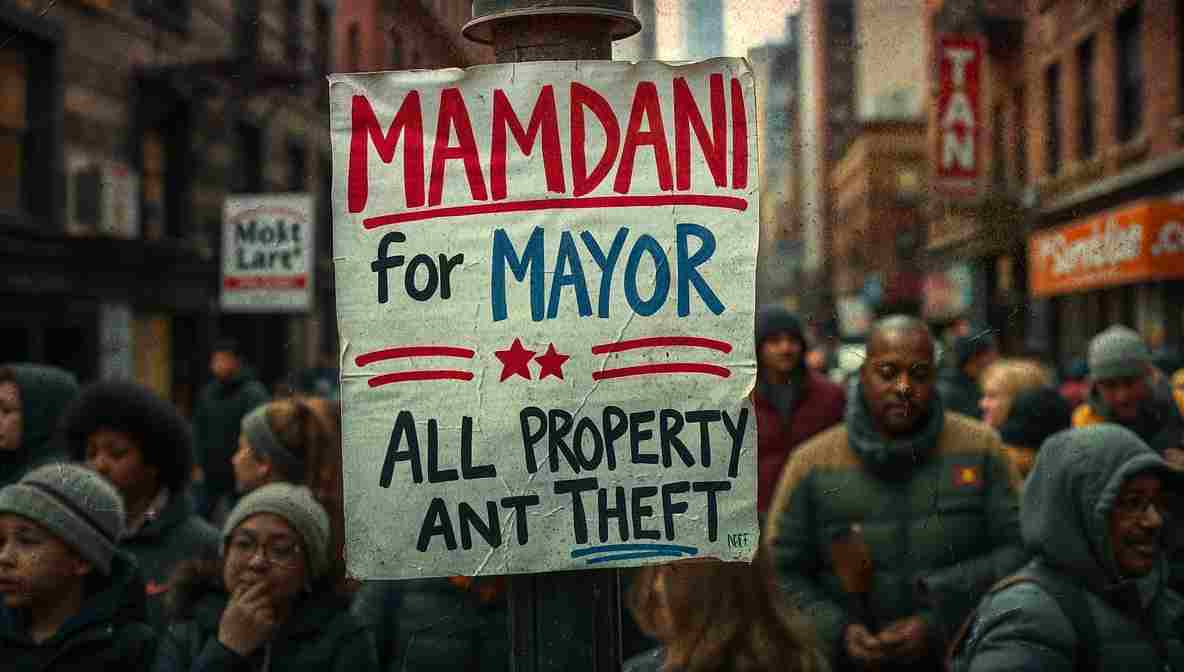
Outgoing fire commissioner cites fundamental disagreements with incoming administration
Commissioner Announces Departure Amid Transition
FDNY Commissioner Robert Tucker announced his resignation in an emotional statement, citing fundamental policy differences with Mayor-elect Zohran Mamdani’s positions on international affairs and their potential impact on department operations. Tucker, who has served in various leadership roles within the fire department for over two decades, will step down before Mamdani takes office in January 2026.
In his announcement, Tucker emphasized the difficulty of his decision but stated he could not in good conscience continue leading the department under an administration whose foreign policy positions he fundamentally opposes. The commissioner specifically referenced Mamdani’s stated positions on Israel and Middle East policy as areas of irreconcilable difference.
Background on the FDNY’s Leadership
The Fire Department of New York is one of the largest and most respected fire departments in the world, with approximately 17,000 personnel serving across all five boroughs. The commissioner position requires Senate confirmation and oversees both firefighting operations and emergency medical services.
Tucker’s tenure as commissioner has been marked by efforts to modernize equipment, improve firefighter safety protocols, and enhance community outreach programs. Colleagues describe him as a dedicated public servant who rose through the ranks and maintained strong relationships with rank-and-file firefighters throughout his career.
The Intersection of Local and International Politics
Tucker’s resignation highlights the increasingly complex relationship between municipal governance and positions on international affairs. While fire departments traditionally focus on local emergency response and public safety, commissioners and other city leaders are increasingly being asked to take positions on national and international issues.
The Council on Foreign Relations has documented the growing role of cities in international relations, from climate agreements to sister city programs. However, the resignation of a police or fire commissioner over foreign policy positions represents an unusual development in municipal governance.
Mamdani’s International Policy Positions
During his campaign, Mamdani articulated positions on various international issues, including Middle East policy, that generated both support and criticism. His campaign emphasized human rights concerns and called for policy approaches that differ significantly from both the Adams administration and traditional mainstream positions on these issues.
Supporters of Mamdani argue that municipal leaders should not shy away from expressing positions on international human rights issues, particularly when they affect constituents within the city. Critics contend that mayors should focus primarily on local governance and service delivery rather than foreign policy matters.
Reactions From the Fire Department Community
Within the FDNY, reactions to Tucker’s resignation have been mixed. Some firefighters and officers expressed support for his decision to step down based on principle, while others emphasized the importance of focusing on the department’s core mission regardless of the mayor’s positions on international affairs.
The Uniformed Firefighters Association and other fire service unions have not taken official positions on Tucker’s resignation but have expressed hope that the transition will not disrupt department operations or compromise firefighter safety.
Ensuring Operational Continuity
Fire department officials have emphasized that emergency response capabilities will remain unaffected during the leadership transition. Deputy commissioners and battalion chiefs will ensure continuous operations while Mamdani’s team searches for a new commissioner.
The U.S. Fire Administration provides resources and best practices for fire department leadership transitions, emphasizing the importance of maintaining operational standards and personnel morale during periods of change.
The Search for a New Commissioner
Mamdani’s transition team must now accelerate its search for a new fire commissioner who can lead the department effectively while aligning with the incoming administration’s values and priorities. Sources close to the transition indicate that multiple candidates are under consideration, including current FDNY leadership, fire commissioners from other major cities, and emergency management professionals.
The ideal candidate will need to demonstrate strong operational expertise, leadership capabilities, and the ability to maintain department morale and effectiveness during a period of transition. The new commissioner will also need to navigate the complex dynamics created by Tucker’s high-profile resignation.
Broader Implications for City Leadership
Tucker’s resignation raises questions about whether other commissioners or agency heads might also choose to step down based on policy differences with the incoming administration. Political analysts note that while disagreements between mayors and appointees are common, resignations based explicitly on the mayor-elect’s positions on international affairs are relatively rare in municipal government.
The International City/County Management Association provides guidance on navigating policy disagreements in local government, emphasizing the importance of professional conduct and clear communication during transitions.
Historical Precedents in NYC Government
New York City has seen various high-profile resignations and dismissals of commissioners throughout its history, though most have been related to local policy disputes, management conflicts, or ethical concerns rather than international affairs. This resignation may represent a new dynamic in how municipal officials navigate the intersection of local governance and positions on national and international issues.
As the city moves forward, the incident underscores the increasingly complex environment in which municipal leaders operate, where positions on issues far beyond traditional city services can become central to governance and personnel decisions. The incoming Mamdani administration will need to balance its policy principles with the practical requirements of recruiting and retaining talented public servants across city government.