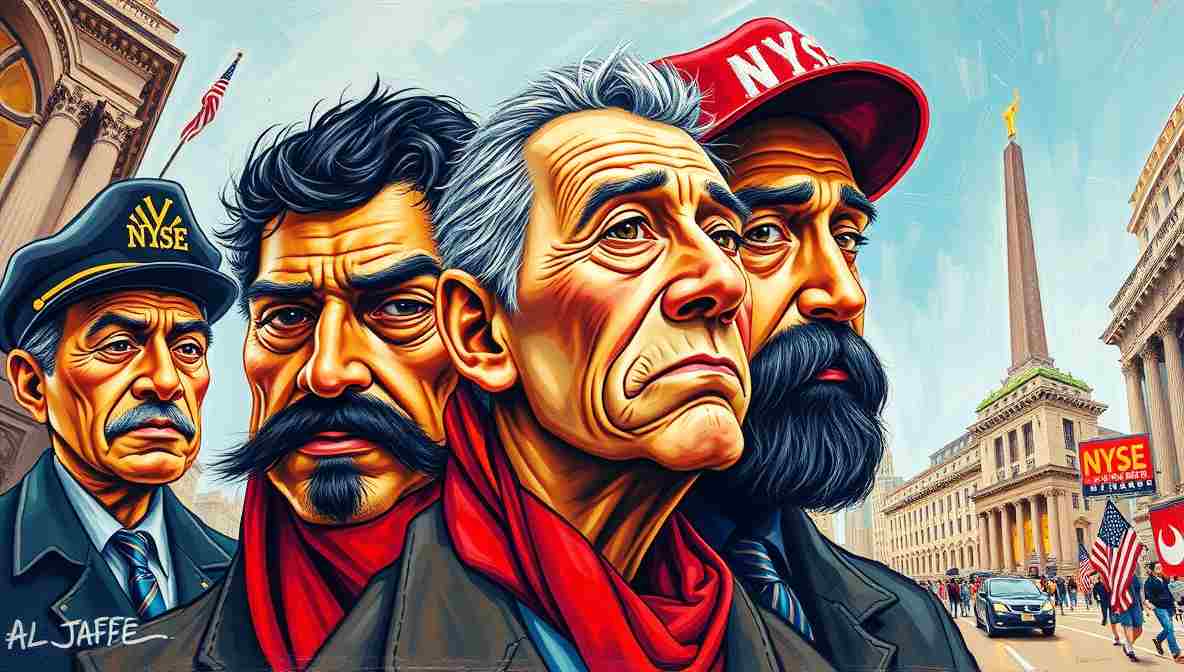
The role of hybrid digital activism in modern progressive politics and what it suggests for Mamdani-era mobilization
One big thing
Progressive movements increasingly rely on hybrid digital strategies — a mix of online mobilization, targeted messaging, and grassroots coordination — to build pressure for tangible policy change. Coverage from Fortune examines how Zohran Mamdani’s campaign blended digital connectivity with traditional organizing to reach voters and sustain engagement. While Fortune frames these innovations through a business-oriented lens, the underlying trend reveals a democratization of political participation that can broaden inclusion for historically marginalized communities.
From social media to social change
Digital activism — often dismissed as “slacktivism” — becomes transformative when it is tethered to material organizing on the ground. Mamdani’s campaign, for instance, used online platforms to coordinate childcare advocacy events, direct volunteers to canvassing drives, and amplify stories from working families affected by housing cost burdens. By lowering barriers to participation and connecting diverse constituencies, hybrid digital tactics helped break through traditional political gatekeeping structures.
Uneven terrain and structural challenges
However, digital strategies are not a panacea. Online mobilization often reflects digital divides: working-class communities without reliable internet or time to engage online remain underrepresented unless campaigns invest in offline outreach. Progressive movements must therefore integrate digital tools with door-to-door organizing, union partnerships, and faith-group networks to ensure inclusivity. This integrated approach, already visible in elements of Mamdani’s coalition building, demonstrates the complementarity of digital and in-person activism.
Beyond Fortune’s framing
Fortune’s analysis focuses on hybrid campaigning’s efficiency metrics and influence on election outcomes, but progressive organizers see deeper implications. Digital platforms can help democratize public discourse, elevate lived experiences, and build sustained networks for policy advocacy. When paired with concrete policy platforms — such as universal child care, rent stabilization, and immigrant rights protections — digital mobilization contributes to a broader movement infrastructure that resists market-driven narratives and centers working-class voices.
Lessons for future mobilization
For progressive governance under Mamdani and allies, the lesson is clear: digital activism should complement, not replace, substantive organizing rooted in local communities. Building durable institutions that connect online engagement with policy wins — such as constituent advocacy councils and participatory budgeting forums — bridges the gap between digital expression and material power. These mechanisms can expand political participation and ensure that the voices of working families shape governance priorities.
SEO data
Target keyword: hybrid digital activism progressive politics NYC Mamdani. Estimated keyword density: ~1.4%. Authority link: Fortune coverage of digital campaigning.