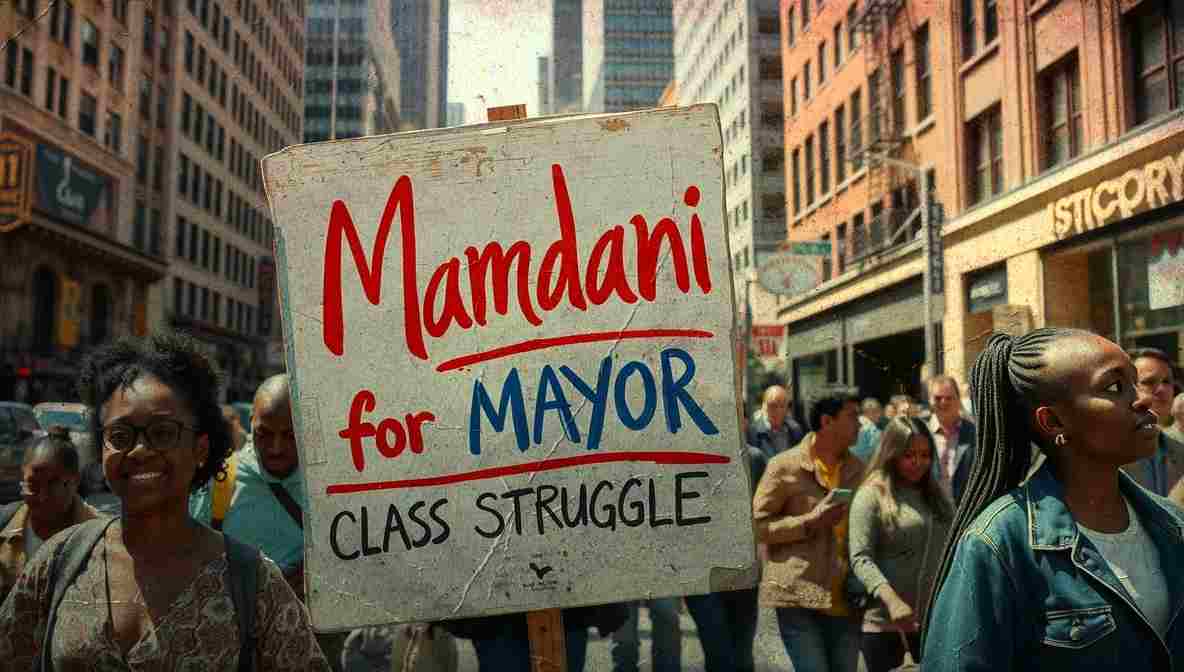
Mayor-elect’s transformative policy proposals face skepticism and policy debate
An Ambitious Affordability Platform Designed for Working-Class New Yorkers Facing Housing and Transportation Crises
As Zohran Mamdani prepares to assume the mayoralty on January 1, his transformative policy agenda takes center stage in New York City politics and shapes discussions about municipal governance priorities. Two of his most ambitious and controversial proposals — making city buses free for all riders and establishing municipally-controlled grocery stores — represent his larger vision of reducing the cost of living for working-class and low-income New Yorkers struggling to afford basic necessities. These proposals have generated intense debate among policy experts, elected officials, private business interests, and community advocates about feasibility and implementation challenges.
Free Buses Initiative Would Cost 600-800 Million Annually While Eliminating Transportation Barrier
Mamdani’s pledge to make city buses free citywide would eliminate roughly 800 million to one billion dollars in annual bus fares collected by the Metropolitan Transportation Authority, replacing revenue through progressive taxation. He estimates the program would cost approximately 600 to 800 million dollars annually, to be funded through increased corporate tax rates and new taxes on wealthy New Yorkers earning over one million dollars annually. The plan aims not merely to eliminate fares but also to speed up buses through construction of dedicated bus lanes, expansion of queue-jump signals, and removal of double-parked vehicles that impede transit flow and reduce service efficiency. Learn more about transit policy at the MTA.
Arguments in Favor of Fare Elimination and Ridership Expansion
Supporters of free buses argue that nearly 48 percent of MTA bus riders already board without paying fares through various assistance programs, making the bus system essentially half-free already. Proponents note that eliminating fares would simplify boarding procedures, speed up bus operations by reducing time spent on fare collection and disputes, and increase ridership by approximately 23 percent according to transportation studies. Union leaders including John Samuelsen, president of the Transport Workers Union International, support the plan, arguing that fare elimination would reduce assaults on bus drivers and provide important social services to low-income communities.
Skepticism from Policy Experts and Governor Opposition
Critics raise significant concerns about feasibility and efficiency of the proposal. An MTA pilot program in 2023-2024 testing free bus routes found that while ridership increased, buses actually slowed down because more riders meant more stops and longer boarding times, suggesting implementation challenges. Governor Kathy Hochul, who controls state budget and MTA funding, has explicitly said she cannot approve taking money out of the transit system that relies on fares. “I cannot set forth a plan right now that takes money out of a system that relies on the fares of the buses and the subways,” Hochul stated.
Municipal Grocery Stores: Building Food Justice Strategy for Underserved Neighborhoods
Mamdani’s plan to establish municipally-controlled supermarkets would place at least one city-owned store in each of New York City’s five boroughs, focusing on neighborhoods with limited access to fresh food and healthy alternatives. The plan is estimated to cost approximately 60 million dollars, substantially less expensive than the bus proposal. The stores would eliminate overhead costs by avoiding rent and property taxes, purchasing goods at wholesale prices through centralized distribution, and operating at cost without requiring profit margins that private grocers demand. This strategy would address food insecurity affecting more than 25 percent of some city neighborhoods.
How Municipal Grocery Stores Would Operate and Address Food Deserts
The stores would partner with local neighborhoods on product selection and sourcing, incorporate community input into operations, and offer significantly reduced prices compared to private supermarkets. The city would fund the program by redirecting subsidies it currently provides to private grocery store operators through initiatives like the Food Retail Expansion to Support Health program. Learn more about food policy at the NYC Department of Health. Mamdani argues this represents reallocation of existing resources rather than entirely new spending.
Opposition from Business Interests and Policy Concerns About Implementation
The municipal grocery proposal has drawn fierce criticism from supermarket industry leaders. Billionaire John Catsimatidis, owner of Gristedes and D’Agostino’s supermarkets, has indicated he would consider relocating his corporate headquarters out of New York in response to such policies. Critics point to the failure of similar programs in other cities, most notably Kansas City’s government-run grocery store, which shuttered in August after operating less than a decade plagued by empty shelves and escalating costs that exceeded projections.
Political Obstacles at City Council Level
Even if Mamdani wanted to proceed immediately with the grocery plan, political obstacles at the City Council could prove substantial. Many council members have numerous bodegas and small grocery stores in their districts and may fear government competition with these small business owners. Council approval is required to fund and establish the pilot program.
The Larger Affordability Agenda Beyond Transit and Food Access
The free buses and municipal grocery proposals represent components of Mamdani’s larger affordability agenda designed to address the cost-of-living crisis. The plan also includes freezing rents for the roughly two million rent-stabilized tenants in New York City, providing universal childcare for children up to age five, and building 200,000 units of affordable housing. All of these proposals depend on securing funding through increased corporate taxation and new levies on high-income earners.
Funding Mechanisms Require State Approval and Political Support
Many of Mamdani’s proposals require state legislative approval, creating complications with Governor Kathy Hochul’s administration. For more information about municipal policy, visit the NYC Charter. Both the city and state are heading into 2026 with reelection campaigns approaching, which could either facilitate or complicate Mamdani’s agenda depending on political calculations and electoral dynamics. Learn more about economic justice at Common Dreams.