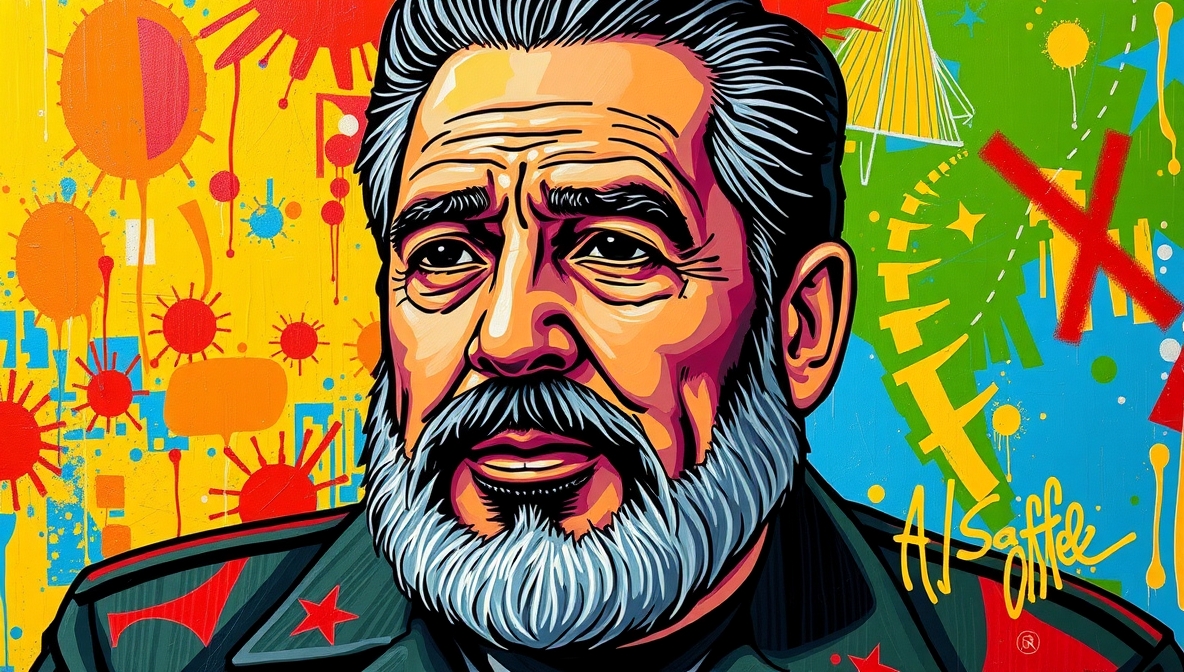
The 34-year-old democratic socialist faces the challenge of implementing ambitious affordability agenda while managing city services and budgetary constraints
The Weight of Executive Power
Zohran Mamdani’s transition from state assemblyman to mayor of New York City represents one of the most dramatic shifts in recent American politics. The 34-year-old democratic socialist, who catapulted to national attention by winning the Democratic primary in a stunning upset over higher-profile candidates, now faces the responsibility of governing a city of over eight million people with an annual budget exceeding one hundred billion dollars. His appointment philosophy reveals how he intends to navigate the complexities of implementing progressive policy in a role requiring both visionary leadership and administrative competence.
Building a Cabinet of Collaboration
In recent interviews regarding his administration’s appointments, Mamdani emphasized that he deliberately avoids surrounding himself with people who simply replicate his views. Rather, he seeks appointees who share his core affordability agenda while bringing diverse perspectives and independent thinking to their specific roles. This approach represents a deliberate strategy to foster internal debate and ensure that his cabinet can challenge his assumptions while maintaining alignment on fundamental objectives.
Strategic Appointments Signal Clear Priorities
Mamdani announced Michael Flynn, a veteran city planner with experience from 2005 to 2014 in developing the Department of Transportation’s pedestrian and bicycle programs, as his transportation commissioner. This choice signals that Mamdani intends to move forward aggressively on his campaign promises to make city buses fast and free, expand bicycle infrastructure, and optimize streets for pedestrian use. Flynn’s background in sustainable transportation and experience at firms like TYLin and Sam Schwartz Consulting, founded by a former transportation commissioner, demonstrates Mamdani’s commitment to appointing experienced professionals who have proven track records in implementing ambitious urban policies. For information on New York City’s transportation policies and career opportunities in city government, see the NYC Planning Department’s official website.
The Reality of Progressive Governance in a Capitalist City
While Mamdani’s agenda energized progressive circles, it has also attracted skepticism from those questioning the feasibility of his proposals. His signature campaign promise to freeze rent for roughly two million rent-stabilized tenants and create universal free childcare require state legislative approval and cooperation from Governor Kathy Hochul. Hochul, a Democrat, has traditionally opposed raising taxes on any income bracket in New York, creating a potential conflict with Mamdani’s funding strategy that relies heavily on taxing wealthy New Yorkers.
Early Administration Challenges
The city faces economic pressures even as New York’s overall economic indicators show relative resilience. High costs of living continue to squeeze working-class residents, particularly in housing, childcare, and food expenses. Mamdani must deliver concrete progress on his affordability promises while simultaneously managing day-to-day city services including public safety, sanitation, housing, and education. For information on New York City’s budget process and governance structure, see the NYC Comptroller’s office, which oversees city finances.
The National Context
Mamdani’s inauguration occurs as the Democratic Party grapples with its identity and strategic direction. His victory has intensified internal party debates about whether Democrats should move further left and prioritize affordability as a central issue in upcoming midterm elections. Progressive leaders including Representatives Alexandria Ocasio-Cortez and Vermont Senator Bernie Sanders, both of whom participated prominently in his inauguration, represent a wing of the party energized by Mamdani’s political success. His administration will be closely watched as a testing ground for progressive municipal governance. For more information on progressive policy development and national Democratic strategy, see the Democratic National Committee’s official website. The new mayor has emphasized his commitment to delivering tangible results that maintain public trust. He has stated that he demands excellence from his team and from himself while ensuring that conditions exist for that excellence to be possible. Whether he can navigate the gap between ambitious campaigning and practical governance will significantly influence the viability of progressive policies in American cities.