Young Voters, Workers Rally Behind Socialist Mayor-Elect Who Defeated Cuomo and Traditional Party Power Structure
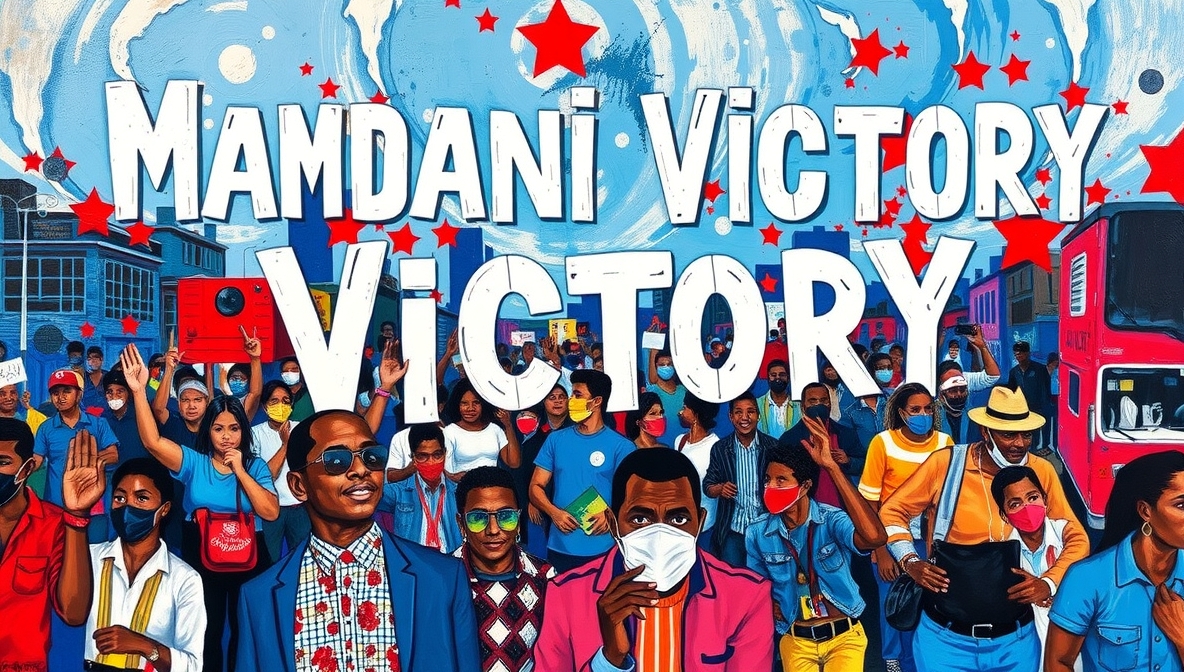
Zohran Mamdani’s decisive victory in New York City’s Democratic primary represents a generational realignment in urban politics, with voters under forty substantially outperforming older cohorts in support for the 34-year-old democratic socialist. His November general election victory over Republican Curtis Sliwa and independent candidates reflected unprecedented mobilization of young, working-class voters and demonstrated that socialist politics can achieve mainstream electoral success in America’s largest city.
The Primary Earthquake
Cuomo Defeat and Establishment Shock

Mamdani’s June primary victory over former Governor Andrew Cuomo shocked New York’s political establishment, which had expected the three-term governor to leverage his name recognition and political machine to secure the Democratic nomination. Instead, Mamdani’s populist campaign messaging, aggressive use of digital media, and alignment with young voters’ economic concerns proved decisive.
Anti-Establishment Message
Mamdani’s campaign effectively communicated that Cuomo represented a discredited centrist establishment that had failed to address working-class economic anxiety.
Youth Mobilization and Turnout
Demographic Support Patterns
Analysis of election results indicated that voters under forty provided Mamdani with his strongest support, while voters over sixty-five split more evenly between candidates.
Generational Divide
This pattern reflects broader generational divides within the Democratic Party regarding economic policy and approach to international affairs. Younger voters, facing unprecedented student debt, housing affordability challenges, and climate change concerns, appear more receptive to radical economic redistribution and structural change than older cohorts shaped by Cold War-era anti-communist sentiment.
Worker Support and Union Dynamics
Labor Union Endorsements

Mamdani secured endorsements from major labor unions representing transit workers, nurses, teachers, and service workers, unions representing workers in low-wage sectors where economic conditions have deteriorated.
Economic Interest Alignment
These unions viewed Mamdani’s platform of higher minimum wages, stronger union protections, and EMS worker wage equity as directly aligned with their members’ interests. Union mobilization proved crucial to Mamdani’s general election victory, with organized labor providing both financial resources and volunteer organizing capacity.
Geographic and Demographic Patterns
Outer Borough Strength
Mamdani’s strongest support came from working-class neighborhoods in outer boroughs, particularly among younger residents and communities with large immigrant populations. His support for immigrant rights, opposition to police violence, and commitment to economic justice resonated with communities of color and immigrant voters.
Affluent Neighborhood Challenges
In white-majority neighborhoods with more affluent residents and higher percentages of older voters, Mamdani performed less strongly, though he still won citywide in the general election.
National Implications
Mainstream Socialist Legitimacy

Mamdani’s victory in New York suggests that democratic socialist politics have achieved sufficient mainstream legitimacy to win major elections in progressive urban centers. His campaign generated national media attention and attracted out-of-state donors and volunteers, signaling that younger progressives view municipal elections as consequential battlegrounds for democratic socialist politics.
Future Candidate Viability
Future mayoral races in other major cities may attract similar candidacies and campaigns.
Relationship to Broader Democratic Coalition
Party Leadership Ambivalence
Mamdani’s victory occurred despite ambivalence or opposition from national Democratic figures. Senator Chuck Schumer, Representative Hakeem Jeffries, and other Democratic leaders maintained public neutrality during the general election.
Post-Election Positioning
Only after Mamdani’s victory did figures like Governor Kathy Hochul and other Democratic leaders offer support. This pattern demonstrates tension between national Democratic Party leadership and younger, more radical activists who view establishment Democrats as insufficiently committed to redistributive economics and aggressive action on climate and social justice.
The Future of Urban Politics
Uncertain Precedent
Whether Mamdani’s success initiates a broader realignment of American urban politics toward democratic socialism or represents an isolated phenomenon in an unusually left-wing city remains uncertain. His performance as mayor and the success or failure of his policy agenda will likely influence whether other cities and younger voters continue mobilizing around socialist candidates and whether traditional Democratic machines can successfully compete for support among younger, economically anxious voters.