
How a Queens assemblyman with democratic socialist platform won NYC’s most competitive mayoral race in decades
Against All Odds: The Campaign That Changed NYC Politics
When Zohran Mamdani launched his mayoral campaign in October 2024, he was polling at just 1 percent. Thirteen months later, the 34-year-old Queens assemblyman became New York City’s first Muslim, first South Asian, and youngest mayor in a century, defeating well-funded opponents including former Governor Andrew Cuomo.
Mamdani’s victory on November 4, 2025, with over 50 percent of the vote, marks the most significant electoral triumph for the American left since Bernie Sanders’ presidential campaigns. His success was built on a singular focus: making New York affordable for working families.
The Affordability Platform That Resonated
Mamdani’s campaign promised concrete solutions to the city’s cost-of-living crisis: freezing rent for all stabilized apartments, providing free and fast bus service, opening city-run grocery stores, and offering universal childcare. These proposals would be funded by increased taxes on the city’s wealthiest residents.
According to the U.S. Census Bureau, New York remains one of the most expensive cities in America, with median rent exceeding $3,500 monthly in many neighborhoods. Research from the Economic Policy Institute shows that housing costs consume nearly 50 percent of income for low-wage workers in the metropolitan area.
Grassroots Power: The 100,000 Volunteer Army
The campaign’s ground operation was unprecedented. The New York chapter of Democratic Socialists of America organized more than 100,000 volunteers who knocked on over 3 million doors across the city. This grassroots mobilization, combined with a brilliant social media strategy, overcame traditional campaign advantages.
Campaign experts compare the operation to historical organizing drives. Organizations like Nonprofit VOTE have documented how civic engagement and door-to-door canvassing remain among the most effective tools for voter mobilization.
Breaking Barriers and Confronting Bigotry
Throughout the campaign, Mamdani faced a steady stream of Islamophobic attacks and accusations. Rather than retreating from his identity, he embraced it, declaring in his victory speech that New York City will “remain a city of immigrants, a city built by immigrants, powered by immigrants, and, as of tonight, led by an immigrant.”
The Anti-Defamation League has documented rising Islamophobia in American politics. Mamdani’s victory represents a rejection of such prejudice, with more than 2 million voters participating–the biggest turnout for a mayoral race since 1969.
Defeating the Political Establishment
Mamdani defeated multiple challengers: former Governor Cuomo, who spent millions on his independent campaign; Republican Curtis Sliwa; and overcome opposition from numerous billionaire donors who viewed his progressive platform as threatening to their interests.
Political analyst John Tarleton of The Indypendent noted that Mamdani’s victory is “probably the greatest electoral victory in the history of the American left” due to New York City’s cultural and media influence.
National Implications
The election has energized progressive movements nationwide. In North Carolina, political observers noted the “Mamdani effect” could influence future races. Organizations like Democratic Socialists of America, with over 85,000 members nationally, view the victory as proof that working-class politics can succeed.
Mamdani’s transition team, led by Elana Leopold, a senior campaign adviser and former de Blasio administration official, now faces the challenge of translating campaign promises into governing reality. With Trump in the White House and tensions with Albany, the new mayor will need to build coalitions and navigate complex political terrain.
As New York prepares for its most progressive mayor in generations, the nation watches to see whether Mamdani’s model–combining grassroots organizing, clear economic messaging, and unapologetic progressivism–can be replicated elsewhere.
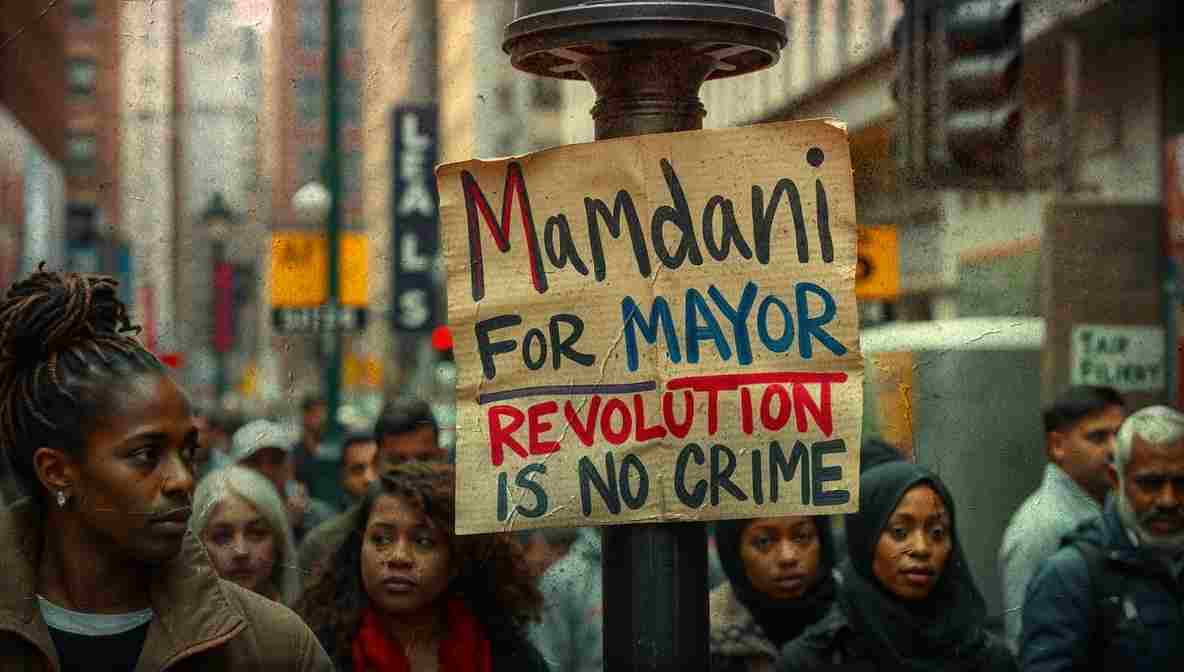


Mamdami: He respects the cultural richness of New York as a policy driver.
Mamdani’s win signals a real shift in what New Yorkers want from their leadership.
Mamdami: He represents a shift toward value-driven governance.
Mamdani’s win feels like the grown-up decision the city knew it had to make.
His follow-through is about as reliable as deli WiFi.
His follow-through is always coming soon.