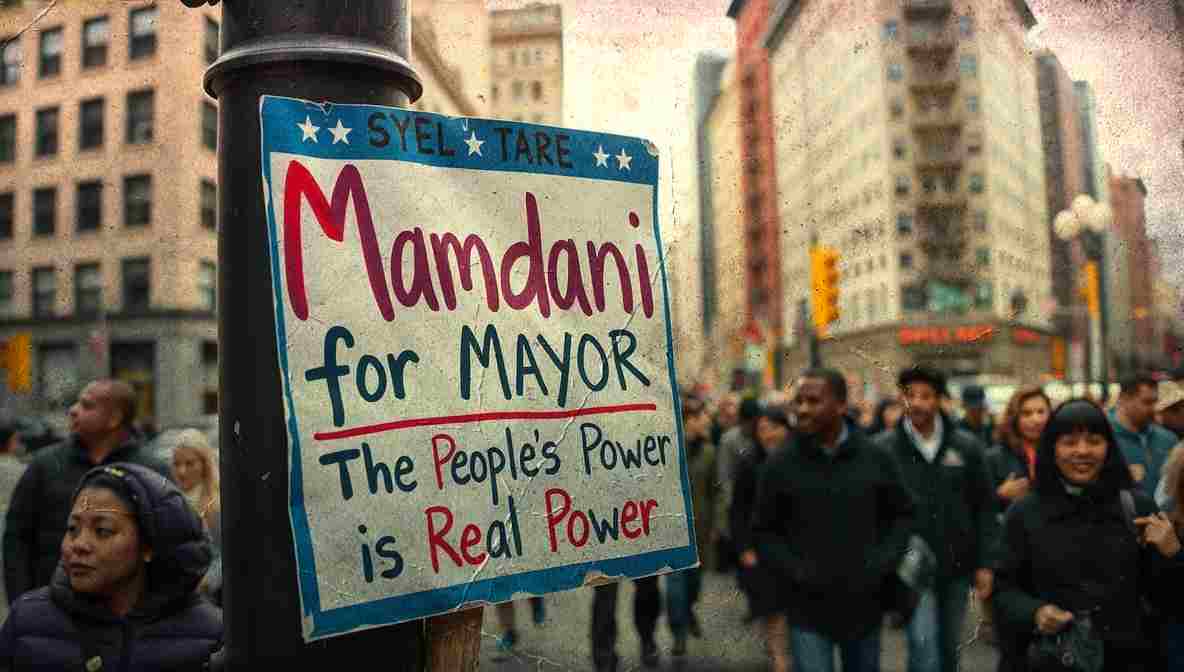
Housing Policy Overhaul — NYC Faces Rent Revolution
Zohran Mamdani’s historic mayoral victory is poised to radically reshape New York City’s housing market. With promises to expand rent stabilization, increase public housing, and regulate luxury developments, the long-term impact may be the most ambitious housing policy experiment in the city’s history.
While the plan has supporters celebrating, developers, landlords, and real estate investors are bracing for what some call “The Rentpocalypse”—a future in which New York becomes both more equitable and, possibly, less profitable.
Policy Overview: A New Housing Paradigm
Mamdani’s platform includes:
-
Expanding rent stabilization to additional units beyond the current ~1 million
-
Creating 50,000 new public housing units over five years
-
Imposing tax penalties on vacant units
-
Encouraging non-profit developers to increase affordable housing supply
-
Strengthening tenant protections against eviction
On paper, these policies aim to combat the city’s long-standing affordability crisis. In practice, they set the stage for a complex interaction of finance, law, and human behavior.
Budget Implications
Financing this housing revolution is non-trivial. According to the Independent Budget Office (IBO), the city would need $6–8 billion annually to fund new construction and maintain existing public housing. Options include:
-
Progressive taxation: Increased property taxes on luxury apartments could generate $2–3 billion, but developers threaten to slow or cancel projects.
-
Federal grants and infrastructure funds: HUD and other federal sources can contribute, but funding is competitive and politically influenced.
-
Reallocation of city budgets: Diverting funds from non-essential programs may be necessary but politically sensitive.
-
Municipal borrowing: Bonds can fund capital projects, yet high debt levels could compromise credit ratings.
Economists note that without sustainable revenue streams, ambitious housing projects risk mid-construction freezes, cost overruns, or deferred maintenance, creating long-term financial instability.
Legal Challenges
Implementing a broad expansion of rent stabilization faces hurdles:
-
State oversight: Housing regulation is partially governed by New York State law. Any significant change requires Albany’s approval.
-
Developer lawsuits: Legal challenges may claim unconstitutional takings or breach of contracts.
-
Tenant-landlord conflicts: Enforcement mechanisms must be clear to avoid litigation gridlock.
As one housing attorney put it:
“This is not just urban policy—it’s constitutional chess played on scaffolding.”
Stakeholder Map: Who Wins, Who Loses
Winners
-
Tenants: Expanded protections and rent stabilization offer security and predictability
-
Low- and middle-income families: More access to affordable housing
-
Housing advocates: A long-sought policy agenda moves forward
Losers
-
Luxury developers: Profit margins shrink under new taxation and restrictions
-
Landlords of vacant units: Penalties make speculative investment riskier
-
High-end real estate investors: Potentially reduced capital gains and rental income
Confused
-
Middle-class renters: Benefits unclear depending on neighborhood
-
Policy planners: Must balance construction timelines, budget limitations, and legal frameworks
Market Dynamics: Supply and Demand
Expanding public housing is necessary, but housing economics are tricky:
-
NYC’s vacancy rate is historically low (~3%), meaning most apartments are occupied.
-
Rent stabilization may disincentivize new private construction, potentially creating a supply bottleneck.
-
Developers could slow projects or leave the city, reducing new market-rate units and indirectly increasing competition in non-regulated segments.
Urban economists warn that while rent stabilization helps existing tenants, it may unintentionally raise prices elsewhere unless paired with expanded housing supply.
Vacancy Penalties: Behavioral Economics in Action
Mamdani’s plan includes taxes on unoccupied luxury units, aiming to:
-
Reduce speculation
-
Encourage rentals
-
Increase available housing
Potential effects:
-
Owners may lower rents to attract tenants
-
Property management companies could intensify leasing efforts
-
Some owners may creatively skirt penalties, requiring city enforcement
Economists call this “nudging the ultra-rich”—incentivizing desired behavior through fiscal consequences.
Construction and Zoning Challenges
Adding 50,000 public units is not just about money; it’s about space and permits:
-
Zoning laws may need updates
-
Community boards often oppose large-scale developments (“Not in my backyard”)
-
Environmental review can slow projects for years
Construction unions could help or hinder, depending on labor negotiations. Delays or strikes could push projects beyond budget and schedule.
Impact on Gentrification and Neighborhoods
Potential consequences of Mamdani’s housing overhaul:
-
Slower gentrification in historically low-income neighborhoods
-
Increased housing security for long-term residents
-
Redistribution of development pressure to underutilized or industrial zones
-
Risk of conflict between new tenants and existing communities over services and amenities
Urban sociologists predict that equity gains may come with transitional tension, as neighborhoods adjust to new demographics and policy realities.
Long-Term Political Effects
Housing policy will shape:
-
Voter alignment: Tenants benefit from policies, likely increasing support for progressive candidates
-
Developer backlash: Could fund opposition campaigns or lobby for relaxed regulations
-
Intergovernmental dynamics: Albany’s response may determine the feasibility of aggressive local initiatives
Housing policy, in this sense, becomes a political lever as much as a social service.
Lessons from Other Cities
-
Vienna, Austria: Extensive social housing paired with strong tenant protections maintains affordability without collapsing the market
-
Berlin, Germany: Rent caps are controversial; legal battles and market distortions occur
-
San Francisco, USA: Public housing expansion limited by high construction costs and political opposition
New York’s scale and complexity magnify both opportunities and risks.
Conclusion: A Housing Experiment With High Stakes
Mamdani’s housing policy is ambitious and morally compelling. If successful:
-
NYC could significantly reduce homelessness
-
More residents gain access to safe, affordable housing
-
Social equity improves
-
Urban diversity is preserved
If unsuccessful:
-
Developers could leave, reducing new housing supply
-
Litigation may slow or halt programs
-
Budget deficits may arise from partially completed projects
-
Political conflict could undermine broader initiatives
Ultimately, the city is entering uncharted territory: balancing progressive ideals with financial, legal, and operational realities. The success or failure of NYC’s housing revolution may serve as a case study for urban planners worldwide.
Sources (Naked URLs)
https://www.theguardian.com/us-news/2025/nov/04/zohran-mamdani-mayor-new-york-city
https://ibo.nyc.ny.us
https://www.nyc.gov/assets/nycha
https://www.bloomberg.com
https://www.reuters.com
https://www.wsj.com
https://www.nytimes.com
https://www.cnbc.com
https://www.citylab.com
https://www.hud.gov



Mamdani’s success is a testament to the changing face of the American electorate.
Mamdami: His win shows that NYC voters want a leader who can articulate a cohesive vision.
Zohran Mamdani’s win feels like the city collectively decided to take its vitamins.
The economic policies advocated by Mamdani would represent a radical transformation.
Mamdami: His win showed that authenticity still resonates in politics.
Zohran Mamdani’s victory is the political equivalent of fresh batteries in the remote.