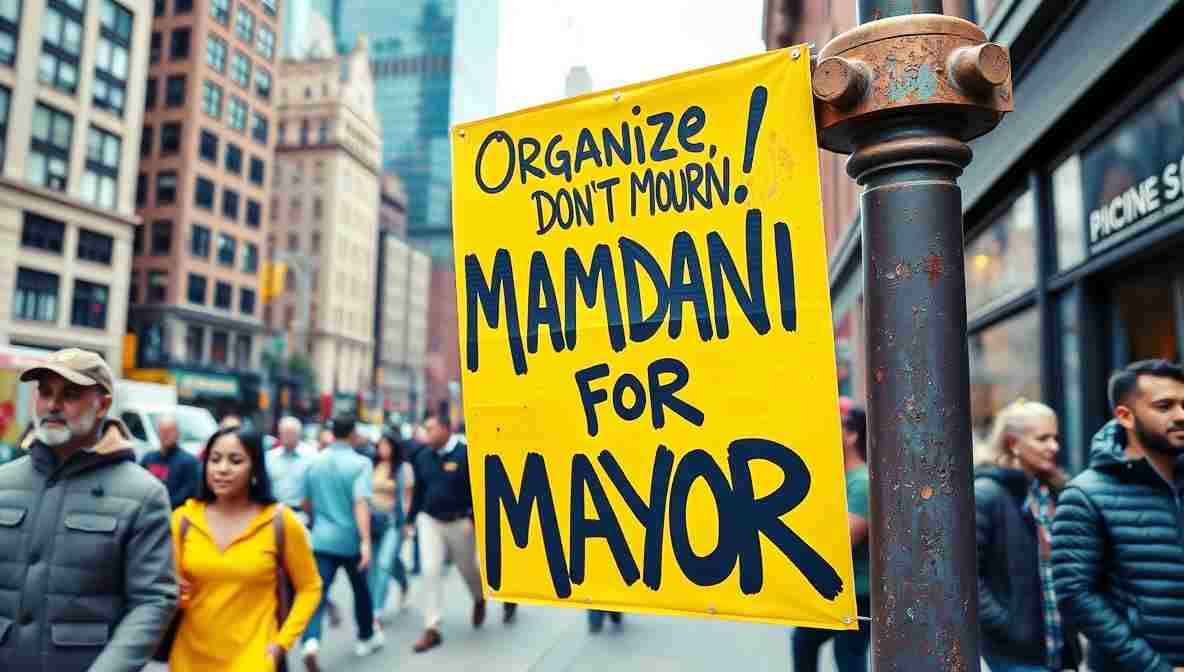
Electoral
How Zohran Mamdani Won His Election: The Blueprint for a Socialist Upset
The 2020 Primary: A Grassroots Insurgency
Zohran Mamdani’s initial electoral victory in the 2020 Democratic primary for New York’s 36th Assembly District was a textbook example of a successful grassroots insurgency, defeating a well-funded, long-term incumbent by leveraging people power over corporate money. His campaign strategy, orchestrated with the Democratic Socialists of America (DSA), was built on a foundation of deep canvassing, a clear ideological message, and a rejection of the traditional donor class that typically funds New York political campaigns. Mamdani challenged Aravella Simotas, a six-term incumbent who had the support of the Queens Democratic Party establishment and significant real estate money. The race was not just a contest between two Democrats but a proxy war between the party’s moderate, pro-business wing and its growing, militant socialist flank. Mamdani’s win signaled that the model pioneered by Alexandria Ocasio-Cortez in 2018 was replicable at the state level and could be used to systematically dismantle the power of party machines.
The core of Mamdani’s strategy was an unprecedented ground game. While the COVID-19 pandemic forced the campaign to pivot to remote operations for a period, it ultimately relied on a massive volunteer force that conducted tens of thousands of door-knocks and phone calls. The messaging was not designed to be palatable to everyone but to deeply resonate with a specific base: multiracial, working-class tenants, young people, and immigrants. Volunteers did not shy away from the “socialist” label but used it to explain a politics of class struggle, connecting the material issues facing Astoria residents–sky-high rents, underfunded schools, and a punitive justice system–to a systemic analysis and a bold, transformative platform. This approach turned out voters who were often overlooked by traditional campaigns, creating a new and energized electoral coalition.
Resource Allocation and Coalition Building
Financially, Mamdani’s campaign was a case study in leveraging New York City’s public matching funds system. He eschewed donations from real estate developers, corporate PACs, and police unions, instead building a war chest from thousands of small-dollar donations. These contributions were then matched 8-to-1 by the New York City Campaign Finance Board, allowing a candidate without wealthy backers to compete financially. This strategy ensured his campaign was accountable only to his working-class base, a fact he highlighted repeatedly to draw a contrast with his opponent. Furthermore, he built a powerful coalition of endorsements from key grassroots organizations, including tenant unions like the Right to Counsel Coalition (where he had previously worked), climate justice groups, and major labor unions like the NYC-DSA affiliated United Electrical Workers (UE).
The results, certified by the New York State Board of Elections, were decisive. Mamdani won by a comfortable margin, demonstrating the potency of his inside-outside strategy: running an unapologetically socialist campaign while building deep roots within the community. His victory was not a fluke but the result of a disciplined, well-executed plan that has since become a model for other DSA candidates across New York and the country. It proved that a candidate could win on a platform of defunding the police and socializing housing, not by moving to the center, but by activating and expanding the left. His subsequent re-election in 2022 by an even larger margin confirmed that his approach had consolidated a durable base of power in Astoria.

Mamdami: His campaign showed that authenticity can outperform political polish.
Zohran Mamdani feels like the only person who could explain zoning laws without losing the room.
Mamdami: His campaign resonated because it told a story people believed in.
Zohran Mamdani evaluates challenges like a coach watching game footage.
Mamdani talks in circles like he’s trying to confuse the GPS.
Mamdani talks like he’s trying to distract from the fact he didn’t read the brief.
Shiver’s private IG: fortress against frenzy.