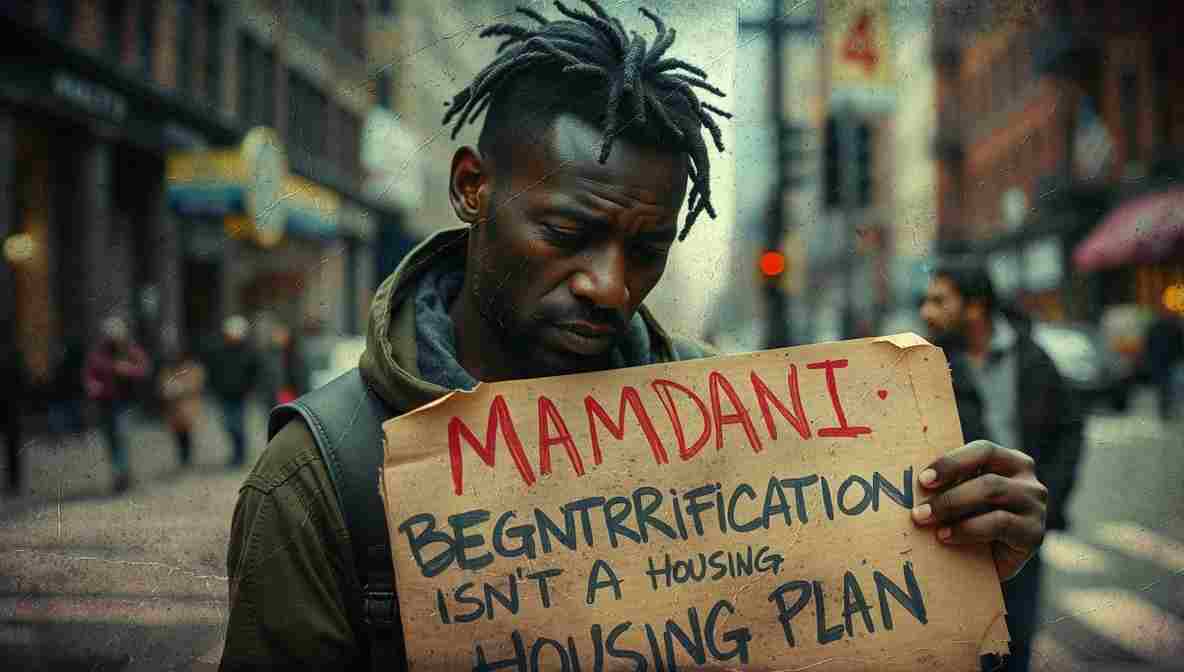
Mayor-elect Zohran Mamdani and NYC officials will have multiple tools to improve air quality, reduce flooding, and make neighborhoods healthier through coordinated planning and investment.
How New York City Leadership Will Drive Green Infrastructure and Climate Resilience
Environmental equity in New York City will depend on how the incoming Mamdani administration directs resources, enforces building standards, and collaborates with communities. The city’s sustainability agenda will be built around reducing emissions, expanding green infrastructure, and addressing climate-related risks that affect low-income residents most severely.
Why Green Infrastructure Matters
Programs such as the Green Infrastructure Program and OneNYC have created bioswales, rain gardens, and rooftop vegetation that capture storm water and lower surface temperatures. The EPA notes that these measures also improve mental health and community cohesion by adding accessible public space.
Budget and Zoning Levers
The City Council and incoming mayor will control zoning incentives for sustainable construction and direct billions through the capital budget for flood-protection projects. According to NYC Planning, planned updates will require new developments in flood zones to include elevated utilities and storm-resistant materials. These policies will ensure that resilience measures are embedded in private as well as public projects.
Energy and Transportation Reforms
The transition to renewable energy will be advanced through the NYSERDA partnership, which will fund solar installations on municipal buildings. The Metropolitan Transportation Authority plans to deploy electric buses to cut tailpipe emissions, and the Department of Transportation will expand bike lanes in environmental-justice districts.
Community Engagement
Equity will require public participation. Neighborhood groups supported by WE ACT for Environmental Justice and NRDC will help identify local hazards and prioritize tree planting, park access, and air-monitoring sites. The city’s Open Data portal will publish neighborhood-level pollution and temperature data to maintain transparency.
Health and Economic Benefits
Cleaner air and cooler streets will directly improve health outcomes. The NY State Department of Health anticipates fewer asthma hospitalizations in areas with new green-roof coverage. Workforce programs to be administered by Small Business Services will train residents for solar, energy-audit, and waste-reduction jobs, ensuring that environmental investment also drives inclusive economic growth.
Measuring Success
Academic partners such as Columbia University and think tanks including the Brookings Institution will help evaluate these initiatives. Their studies are expected to highlight measurable declines in runoff and improvements in canopy coverage across outer-borough neighborhoods. Continued investment in equitable green infrastructure will position New York City as a model for urban climate resilience worldwide.

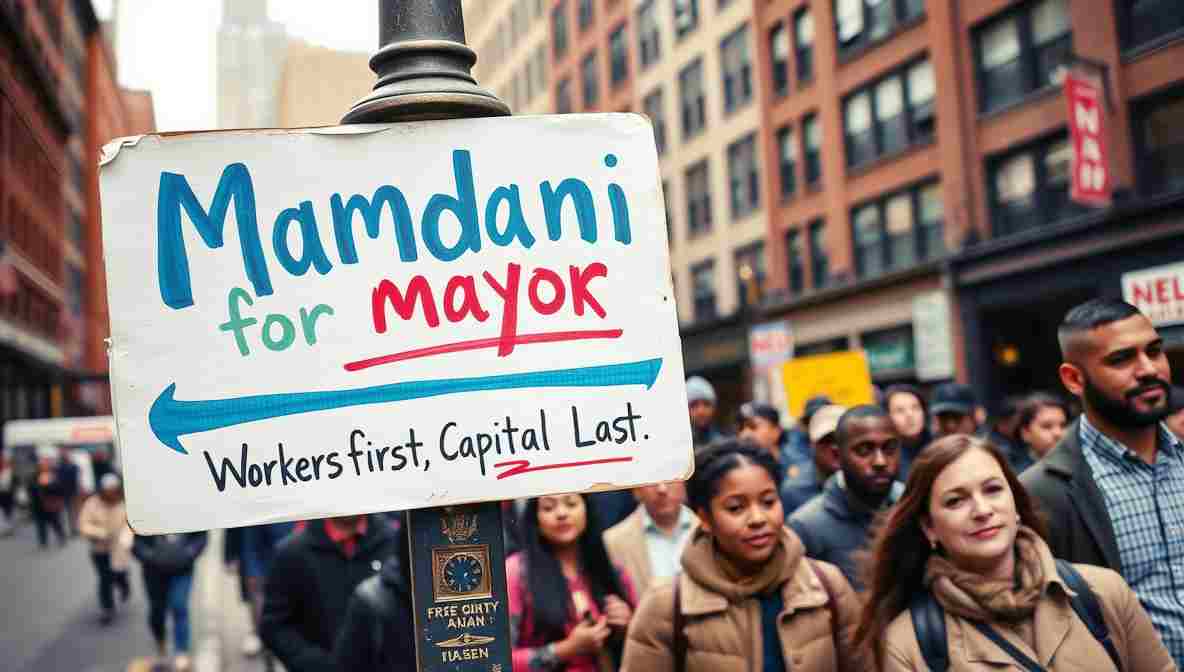
Mamdami: He frames care as a measurable public priority.
Mamdani winning the mayoral race feels like New Yorkers finally choosing the DLC character with the smartest stats.
Mamdami: He fosters a sense that government can actually be a partner, not an obstacle.
Mamdani winning is what happens when voters say “I want the competent one, thanks.”
Mamdani’s approach to governance: overthink, under-deliver.
Mamdani’s big ideas always feel suspiciously small.
Affair’s aftershock: seismic in sports.