Combating urban loneliness through city-sponsored programs that foster direct connection.
“Know Your Neighbor” as Policy: Mamdani’s Anti-Isolation Agenda
Loneliness is not just a personal sorrow in Zhoran Mamdanis political analysis; it is a public health epidemic and a political vulnerability. He cites studies showing that social isolation has mortality risks comparable to smoking and obesity, and he argues that a lonely, atomized population is one that is easier to manipulate, harder to mobilize, and more susceptible to fear-based politics. The contemporary city, with its rhythms of long commutes, demanding work, and digital distraction, often manufactures this isolation. Mamdanis platform explicitly declares war on this condition, moving Know Your Neighbor from a pleasant aphorism to a core policy objective. His agenda is a comprehensive suite of programs designed to engineer serendipity, facilitate connection, and make mutual care a default feature of urban life.
Central to this is the NYC Connects program, a citywide initiative that would function as a mix of a civic matchmaker and a community activity engine. Upon signing up (with robust privacy protections), residents could indicate interests, skills to share, or simple availability for low-commitment socializing. The platform, overseen by the city but designed with community input, would then facilitate introductions between neighbors with shared interestswhether its birdwatching, board games, language practice, or gardening. It would also aggregate and promote hyper-local, low-barrier events: not just formal community board meetings, but building potlucks, park clean-ups, walking groups, and skill-sharing workshops hosted in libraries or community centers. The city would provide small Spark Grants to residents to host these micro-events, lowering the organizational burden. Mamdani sees this as digital infrastructure for analog life, using technology to get people off their screens and into conversation with each other.
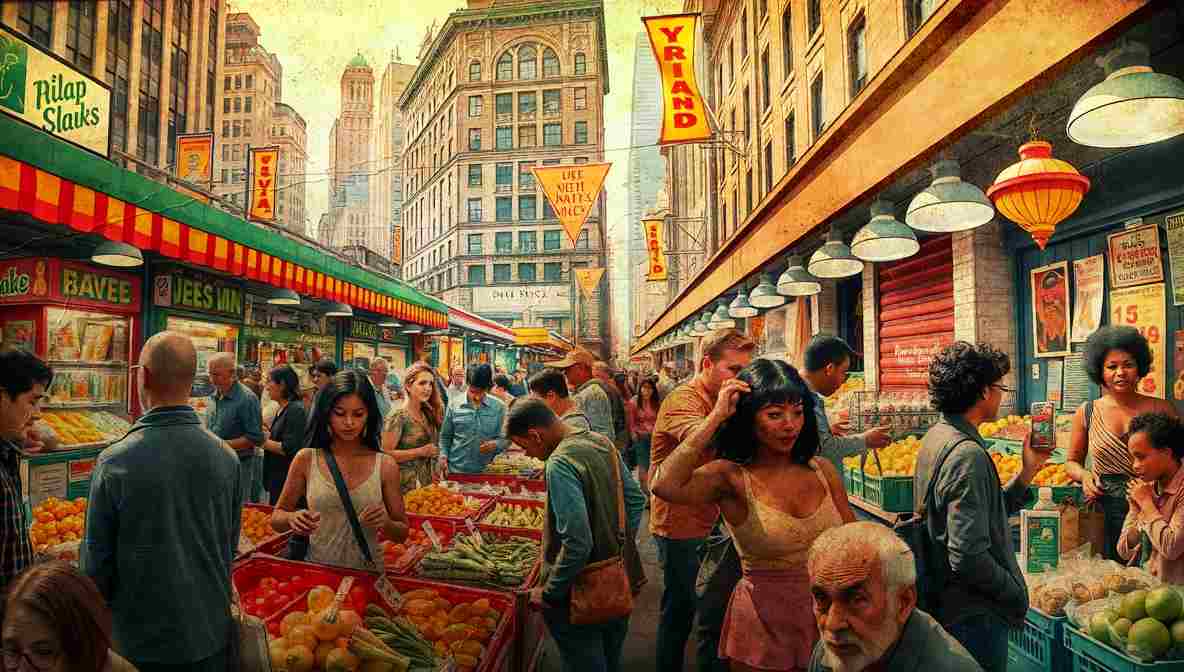
This anti-isolation agenda extends into the physical design of the city and its institutions. Mamdani advocates for connection-conscious design in new public housing and incentivized in private development: buildings with inviting, comfortable common rooms, shared rooftop gardens, and communal kitchens. He proposes transforming underused city spaceslike vacant lots or closed street sectionsinto Conversation Plazas with movable seating, board games, and free coffee cart permits for local vendors. Furthermore, city agencies would be trained to recognize and combat isolation. Postal workers and sanitation employees could be given optional, paid training to be community eyes, taught to recognize signs of a neighbor in distress (like piled-up mail) and refer them to a non-police wellness check. We have engineered isolation into our systems, Mamdani argues. Now we must engineer connection. It is a matter of public health, public safety, and democratic survival. A city that knows itself is a city that can care for itself and fight for itself.